






Winter global citrus season marked by volatility
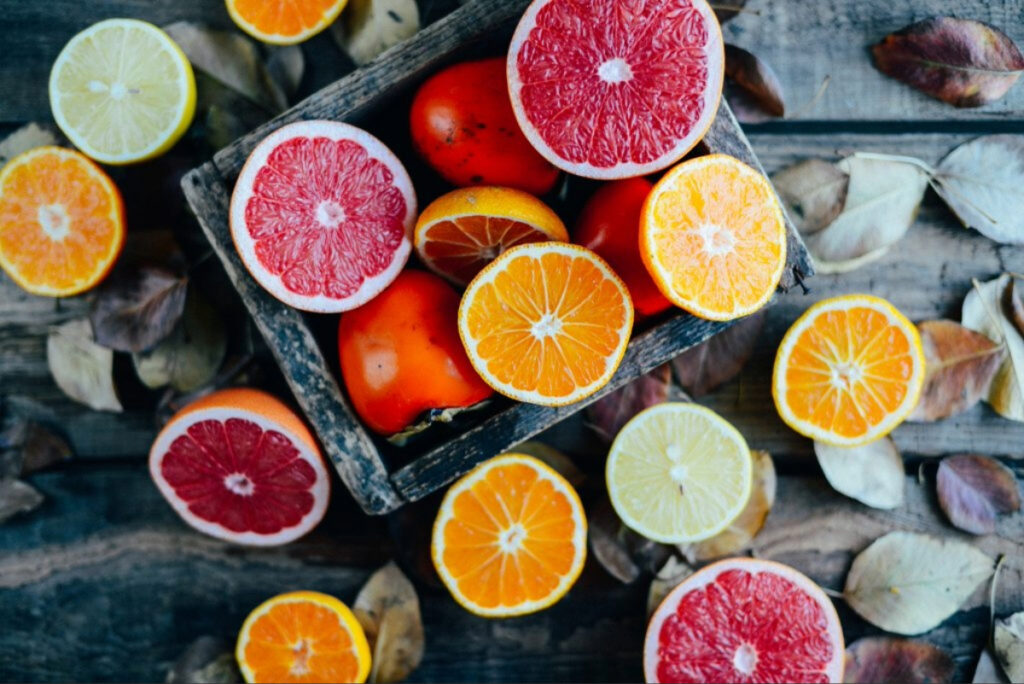

This winter, the world’s top global citrus suppliers are seeing wildly different outcomes, making the 2025-26 season one of surprises.

Alejandro Moralejo, CEO of Salix Fruits, says this winter's global citrus campaign is defined by diversity and resilience, with each region embarking on its own unique journey and facing distinct outcomes.
In North America, the US and Mexico are expected to produce sufficient citrus to meet seasonal demand. However, Moralejo notes that prices are lower this year due to oversupply.
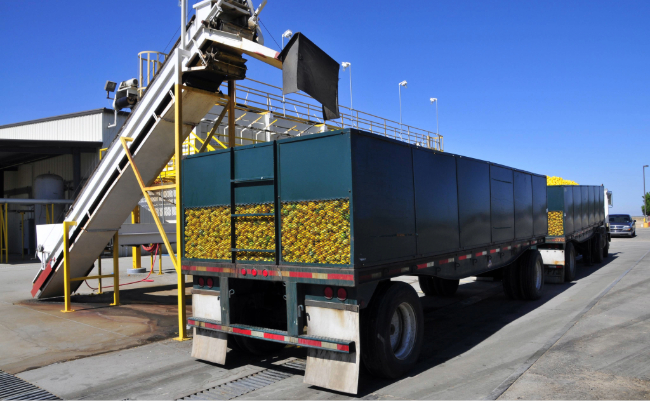
North American citrus: plenty on hand, prices fall
California lemons remain central to Salix’s winter global citrus program, offering a reliable supply and consistent quality.
“Oversupply is most evident in oranges, and pricing pressure is concentrated on larger sizes,” Moralejo says. “Smaller-sized fruit, however, remains in strong demand, which is helping sustain better price levels in that segment.”
Despite strong US production, Salix Fruits is closely monitoring winter conditions on the West Coast, particularly after last week’s storm on the East Coast and Texas.
“This may have affected crops,” he says. “Although the early orange harvest was already completed, the storm could impact the supply of Valencia oranges from Florida and Texas.”
Moralejo expects imported citrus from the Southern Hemisphere to perform well in both North American and European markets.
Southern Hemisphere oranges will not face US tariffs, which may increase volumes and help balance consumption.
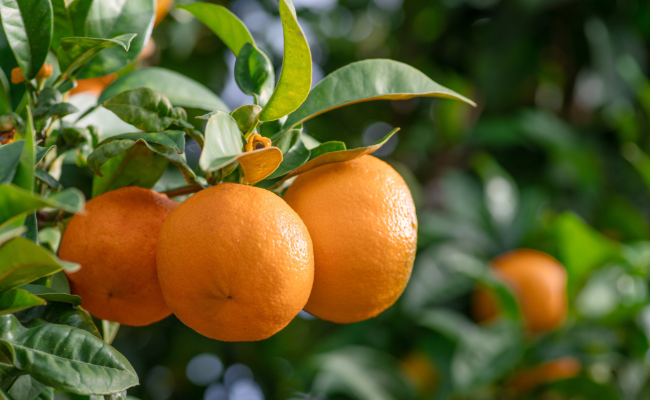
“We expect lemons from the Southern Hemisphere to perform well in Europe, and project mandarins are also going to perform well in the United States market, especially those from Peru and Chile, which will still face tariffs of 10 percent,” he says. “South Africa will continue to face a 30 percent tariff, which could affect the export volumes from the region.”
The Mediterranean region faces nature’s tough hand
Some European countries have not matched North America’s production success this season.
Moralejo notes that the Mediterranean region faces climate challenges. In Türkiye, one of the leading Northern Hemisphere suppliers, growers dealt with frosts in March and April.
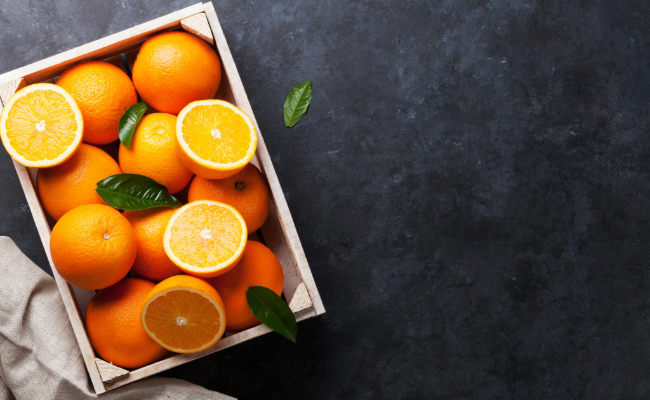
Meanwhile, Spanish citrus was affected by excessive rainfall in spring and autumn, which impacted quality. Egypt and Morocco experienced more stable weather.
To address climate unpredictability, Moralejo says Salix Fruits has diversified its global citrus sourcing and expanded its organic programs, including lemons from Argentina.
He explains that this strategy prevents winter global citrus supply gaps and allows Salix Fruits to meet growing consumer demand for sustainable products.
Related stories:
Record surge: US mandarin and tangerine imports to hit 555,000 metric tons as California output dips








Subscribe to our newsletter