





Why Lunar New Year is a two-week sales surge for US produce retailers
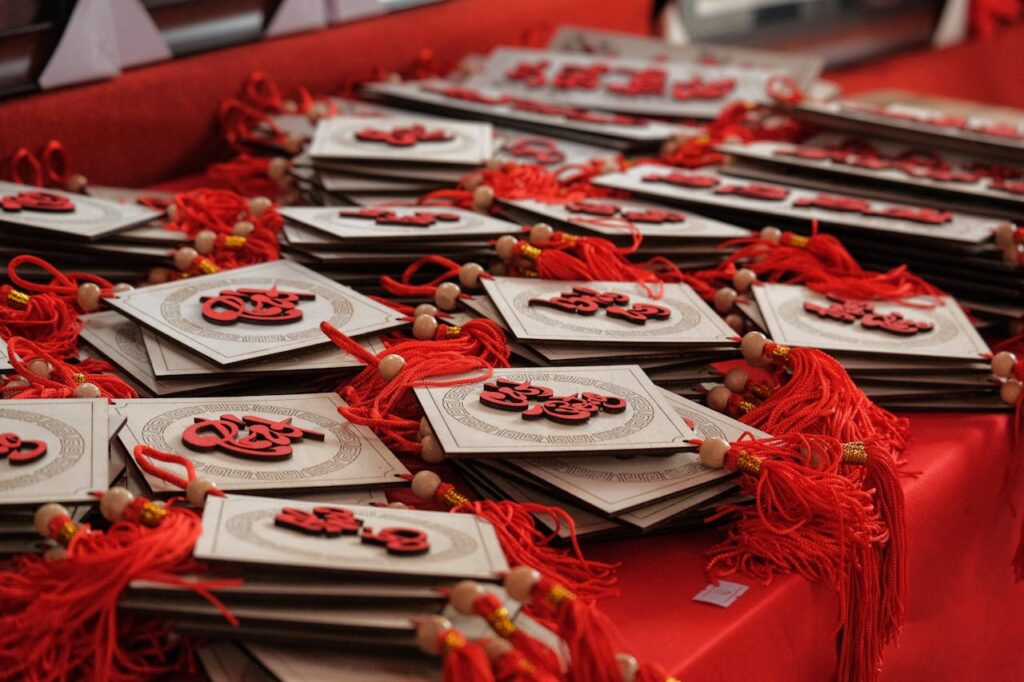

With Lunar New Year running from February 17 through March 3 this year, Melissa’s Produce is urging United States retailers to treat the 14-day celebration as a department-wide sales opportunity rather than a single-themed display.

The Los Angeles-based supplier has structured its seasonal program around the occasion, positioning the holiday as a way to drive incremental sales among a growing Asian American population and engage mainstream shoppers.
“Although not celebrated in all states, Lunar New Year continues to see a drive of influence of the Asian culture,” Director of Public Relations Robert Schueller tells FreshFruitPortal.com. “Melissa’s has been promoting this holiday with retailers to carry Asian essential product items traditional to the holiday that last for two weeks”.
Lunar New Year: Beyond a niche occasion
Asian Americans are now more than 25 million people in the US. This demographic has more than doubled since 2000, and today represents about seven percent of the population.
Schueller explains that the celebration continues to expand its footprint, particularly in major metropolitan areas. And because the holiday centers on food and shared meals, produce undoubtedly plays a major role.
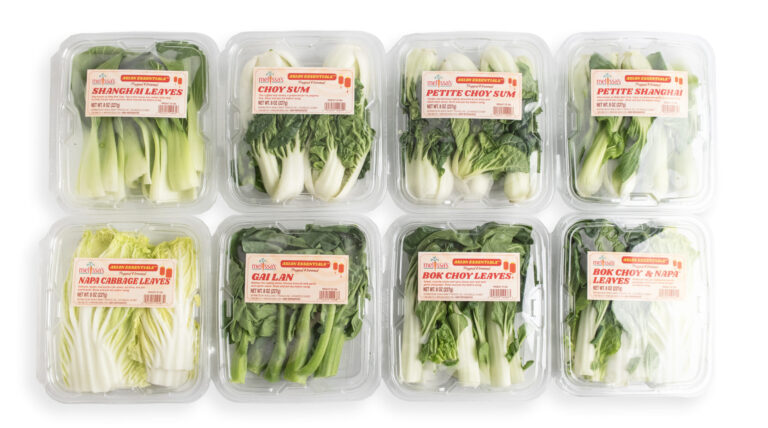
Bok Choi | Photo courtesy of Melissa's.
“We focus on giving retailers the building blocks people actually cook with,” says Schueller. “Along with fresh produce, we offer value-added items like wonton and egg roll wrappers, kimchi, organic tofu, dried shiitake mushrooms, organic ginger, shallots, edamame, and a Hot Pot Essentials kit, so retailers can merchandise the holiday as a cooking occasion and tailor the mix to their stores.”
Melissa’s Asian vegetable lineup has over 30 offerings, including bok choi, baby bok choi, daikon, Napa cabbage, Chinese long beans, bitter melon, lemongrass, Chinese eggplant, and gai lan, also known as Chinese broccoli.
The value of symbolism
Food gifting remains a core driver of Lunar New Year sales, particularly produce items tied to prosperity and good fortune, Schueller notes.
“Kumquats symbolize prosperity. Coconuts symbolize togetherness. Longans symbolize many good sons. Citrus such as Buddha's Hand are given as gifts to represent good luck and fortune for the year. Mandarin oranges represent wealth. Gai lan encourages youth and wealth. Mushrooms represent coins signifying riches and prosperity. Green onions symbolize brilliance and intelligence,” he explains.
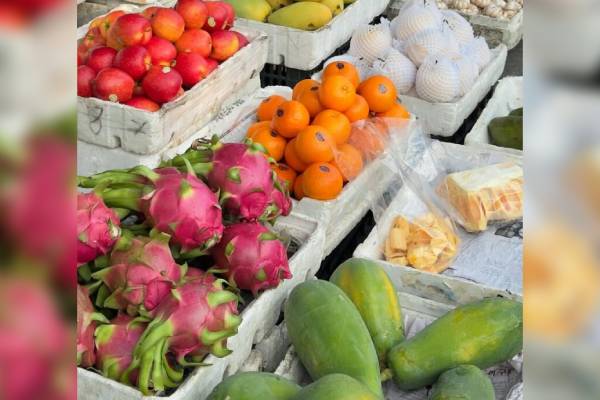
Schueller adds that citrus remains at the top of gift-giving traditions. However, for 2026, Melissa’s is introducing a two-pack of extra-large Butterscotch pears imported from South Korea, and a Japanese Jewelbox of Pearl White strawberries as ready-to-gift options. Japanese-grown Crown melons and red, white, and yellow dragon fruit are also among the options.
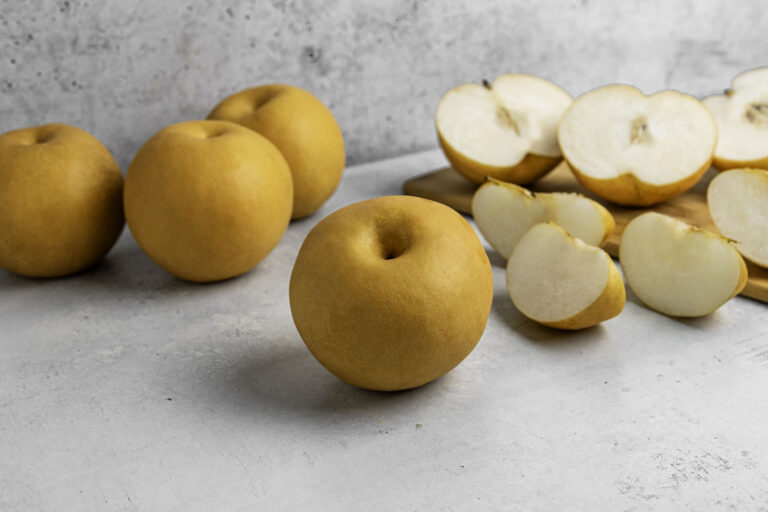
Butterscotch pears | Photo courtesy of Melissa's.
The company supports its program with in-store materials, including banners, bin signs, shelf strips, and product cards, as well as Lunar New Year labels on select Asian essential items. A Lucky Foods social media giveaway is set to complement retail efforts.
As the celebration continues to gain broader recognition across the US, Melissa’s is encouraging retailers to use the two-week window to connect with core Asian shoppers and increasingly adventurous consumers alike.
Related stories
Cherry market prices fall from grace as imports surge ahead of Lunar New Year
Exotic, sweet, and year-round: Fruit trends driving US specialty produce sales
Why Chilean cherries might need more than good quality to thrive in China this season







Subscribe to our newsletter