

Vertical farming market set to quadruple by 2032, driven by urban innovation
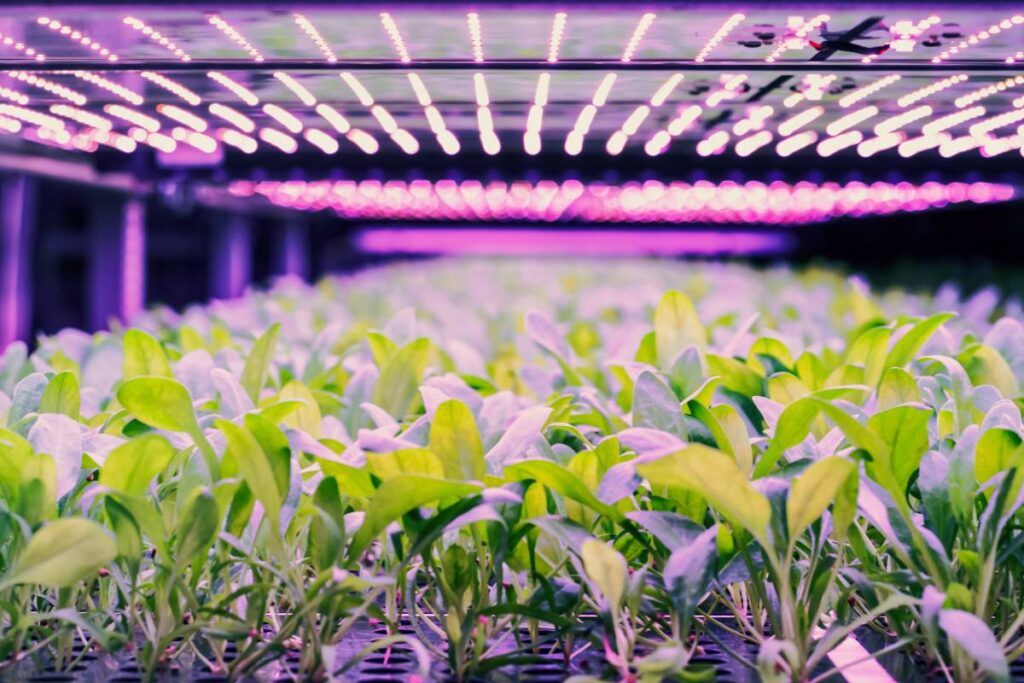

The global vertical farming market is on track to quadruple within the next seven years, according to a report by analytics firm Maximize Market Research.

According to the data, the food production method will grow from $8 billion in 2025 to $39.7 billion by 2032. The technique is named for growing crops in layers on top of each other, using water-based systems rather than soil.
The report states that the most popular place to build vertical farms commercially is in shipping containers, due to their “flexibility, cost-effectiveness, and scalability.”
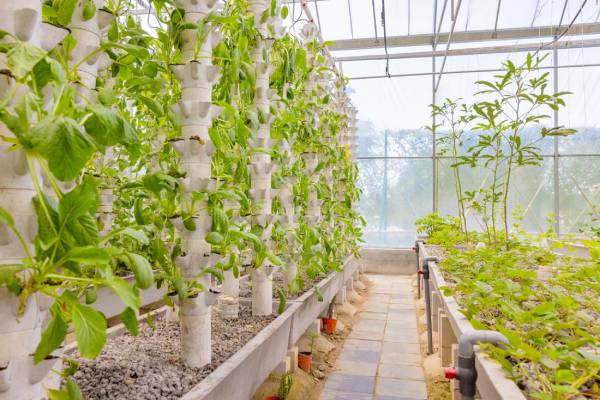
These spaces are being adapted and outfitted with special lights and temperature controls for improved crop management.
North America is leading the way
The market research firm says container-based vertical farms are ideal for urban environments where real estate costs are high and access to farmland is limited.
The US and Canada are leading this trend, driven by steady urbanization, rising demand for sustainable, pesticide-free produce, and the adoption of technology.
But the Asia-Pacific region is not far behind, currently standing as the fastest-growing market. Government initiatives in Singapore, Japan, China, and India are driving expansion, while projects such as Sky Greens and Urban Isaan are enhancing urban food production.
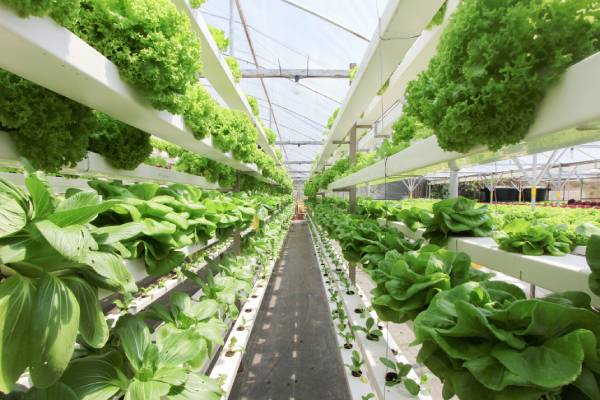
Hydroponic farming, which uses nutrient-rich water instead of soil, is currently the most widely adopted method among vertical farmers.
However, the report projects that aeroponics, which uses air and mist to deliver nutrients directly to plant roots, will gain traction, thanks to faster growth rates and richer flavors without chemical fertilizers or pesticides.
This technique is a primary driver of investment in farms across the United States, Japan, Singapore, and the Netherlands.
Vertical farming market limitations
Despite rapid growth, the market faces challenges in accommodating certain types of produce.
According to the report, the restricted crop portfolio remains a major barrier to the technique’s global adoption. Vertical farming is well-suited for leafy greens, herbs, and microgreens, but is less effective for grains, fruits, and root vegetables that need extensive root zones, longer maturation periods, and varied environmental conditions.
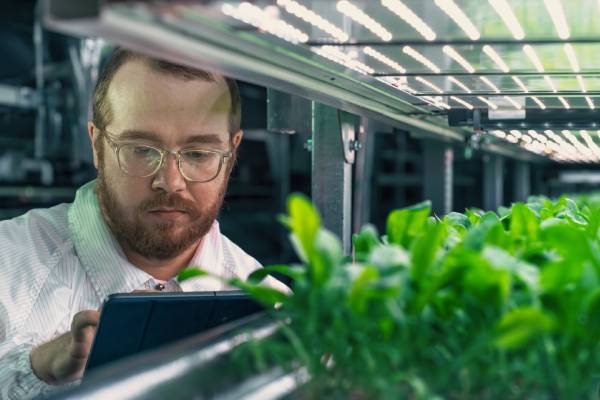
These crops require higher operational costs to maintain a customized temperature, humidity, and light intensity for each crop type, making them not economically viable to grow in controlled vertical farms.
To overcome the hurdle and continue expanding, the report states that the industry needs to invest in technological innovation.
*All images are referential.
Related stories
Ag-tech innovator BioPollen expands liquid pollination system across the Americas
10 game-changing innovations nominated for the Fruit Logistica Innovation Award 2026










Subscribe to our newsletter