






Pecan power: New review confirms nut's impact on heart health and diet quality
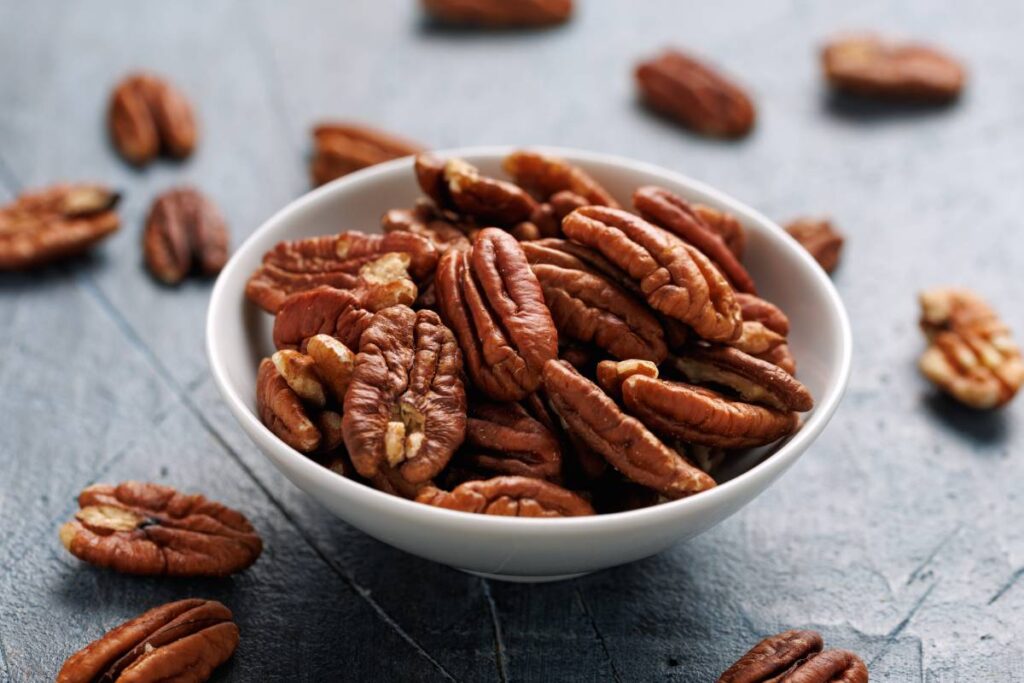

A new scientific review published by researchers in the Department of Food Science and Nutrition at the Illinois Institute of Technology highlights the role of pecans in heart-healthy diets. The data reinforces the nut’s importance within current nutrition and wellness trends.

The research, funded by the American Pecan Promotion Board and published in the journal Nutrients, analyzed 52 studies released between 2000 and 2025, including human clinical trials on cardiometabolic effects and other health outcomes associated with the nuts' consumption. The data also identified key areas for future research, including the role of fruit in satiety and its impact on weight loss.
Evidence of pecans’ effect on cardiovascular health
According to the analysis, various studies on humans indicate that regular consumption of pecans in snack portions is associated with better key performance indicators of cardiovascular health, particularly in the lipid profile.

Among the observed benefits are reductions in total cholesterol, LDL ("bad") cholesterol, triglycerides, and non-HDL cholesterol. These effects are related to the nut's content of unsaturated fats, fiber, and bioactive compounds.
Furthermore, the nut is a rich source of polyphenols—natural antioxidants—that might help reduce lipid oxidation, a process linked to oxidative stress and the development of cardiovascular diseases.
The review also cites emerging evidence of pecans’ positive effect on post-meal lipid metabolism, reinforcing their cardioprotective potential.
Blood sugar, satiety, and body weight
Regarding the effects on glycemic control, the results are mixed. While some studies suggest improved insulin response and blood sugar control when the nut replaces refined carbohydrates, the researchers note that more studies are required to establish definitive conclusions.
However, several studies indicate that pecan consumption can increase satiety, which opens opportunities for its use in appetite management strategies.

Regarding body weight, available evidence indicates that the consumption of the fruit is not associated with weight gain, and observed changes remain within normal variability.
Improvement in diet quality
Another relevant finding of the review is that people who include pecans in their diet tend to score higher on the Healthy Eating Index, which reflects better overall nutrition.
Data from the NHANES study—representative of the US population—show that pecans are easily integrated into balanced eating patterns, especially when substituting less healthy snack options.
“What stands out in the research is the consistent relationship between pecan consumption and improved markers of heart health and diet quality. The findings on satiety and weight control also provide valuable information in a context where interest in appetite regulation and GLP-1 therapies is growing,” said Britt Burton-Freeman, director of the Illinois Institute of Technology.
Beyond the scientific results, the authors emphasized that pecans are a practical and accessible option for incorporating plant-based nutrients into the daily diet.
*All images are referential.
Related stories
Chilean blueberry research seeks to boost health benefits and improve quality
Grapes are the new superfood, study says
In a first for fresh produce, Zespri scores EU-approved health claim for green kiwifruit









Subscribe to our newsletter