







Produce companies are finally jumping on the protein trend. This is how they’re doing it.


Protein has undisputedly become one of America’s priorities when hunting for the next meal.

In recent years, the protein craze has taken the country by storm, fueled by the Make America Healthy Again (MAHA) movement and the immense popularity of GLP-1 weight-loss treatments.
However, consumers rarely hit the fresh produce aisle for a boost of this macronutrient, as protein is traditionally associated with meat and animal products. That was enough to leave fruit and vegetable producers scratching their heads, wondering how they could tap into the multi-million-dollar wellness trend sweeping the nation. But the truth is that the industry saw this wave coming long before protein-enhanced everything hit our homes, and they’ve been coming up with new and innovative ways to pack more of it into every bite.

Peanut butter and Whey—the secret protein weapon
Leading the trend in the produce aisle is Taylor Farms. The giant ag-producer known for its fresh-cut offerings just launched 11 nutrient-enriched products, including snacks, salad bowls, and mini salads. The line features an assortment of protein-packed dressings, dips, and toppings, and the company claims that one of its regular salads could increase protein intake by up to 23 grams.
The trick, Bryan Jaynes, Taylor Farms’ Senior Vice President of Product and Dressings, told FreshFruitPortal.com, is boosting protein intake by adding whey.
But packing in the macronutrient is only half the battle, as great flavor needs to be there, as well.
Jaynes said the Taylor Farms’ development team worked with various whey protein sources and vetted a wide array of options.
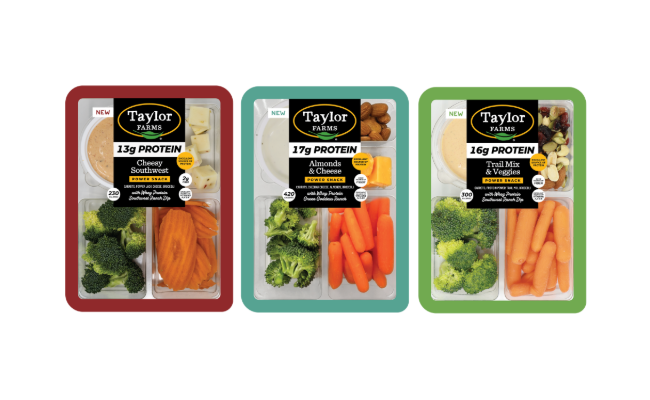
”They figured out which one tastes the best while still delivering double the protein of a normal chopped salad,” he explained. “It's all about the dressing and getting the right balance of crispy, delicious greens and crunchy, delicious toppings.”
Charis Neves, Taylor Farms’ Products and Innovation Vice President, said this was a great way to enter the market, which, in her opinion, is far from a fad.
“I think it's a lifestyle need, as opposed to an up-and-coming trend,” she added. “There's a whole new generation of folks really concentrating on what they're putting into their body, so we believe this is going to be around for a while.”
But Taylor Farms didn’t stop there. Along with the protein trend, consumers are also demanding transparency and simplicity from food labels—not only for wellness, but also for allergen avoidance and dietary restrictions.
“We're looking at dressings that deliver non-seed oils and other ways to address ingredients that consumers are concerned about and avoid, such as dairy, gluten, and increasingly, sugar.”
Adjust without sacrificing produce
Naturipe, a major US fresh produce grower and distributor, has also jumped into the game with a new product line.
SnackBite took nearly eight years to perfect, and just like Taylor Farms, Naturipe focused on keeping things simple. In this case, the company opted for letting berries take center stage.
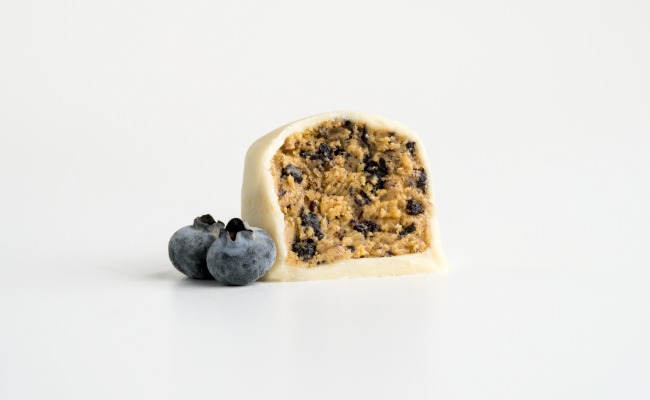
The yogurt-coated fruit clusters are packed with blueberries and deliver 100 calories, 12 grams of protein, and a probiotic boost for health-minded snackers.
Vice President and General Manager of Value Added Fresh at Naturipe, Steve Ware, told FreshFruitPortal.com that the idea struck him while traveling. He noticed that all protein bars were made up of berries and nuts—all ingredients that Naturipe already had to craft its own product.
“I thought, ‘Why can’t the growers do this? Why don’t they deserve a chance to take their product and make a product that people can connect to in a real way?,’” he explained. “But there’s been about a billion challenges from just seeing that to creating something that deserves to be in refrigerated produce.”
Naturipe reinvented the way protein-hungry crowds could eat their signature berries by blending them with peanut butter powder.
However, according to Matthew Lions, Director of Business Development of Value Added Fresh at Naturipe Farms, it’s all about balance, as too much can ruin the flavor.
“We want to be something that people fundamentally want to eat,” Lions explained. “We could have gotten more protein in there, to be honest, but we were trying to balance being berry-forward with the protein.”
Lions said the secret was resisting the urge to turn the product into a multivitamin and instead keeping things simple.
“We took the most popular drives of protein, which are still peanut butter and whey, and enveloped the product with it,” he explained. “We also added yogurt powder in there, which provides an additional layer of protein.”
Related stories:
5 global shopping trends shaping the produce business in 2026
Exotic, sweet, and year-round: Fruit trends driving US specialty produce sales




Subscribe to our newsletter