
Germany dominates Europe's lucrative market for dried fruits and nuts
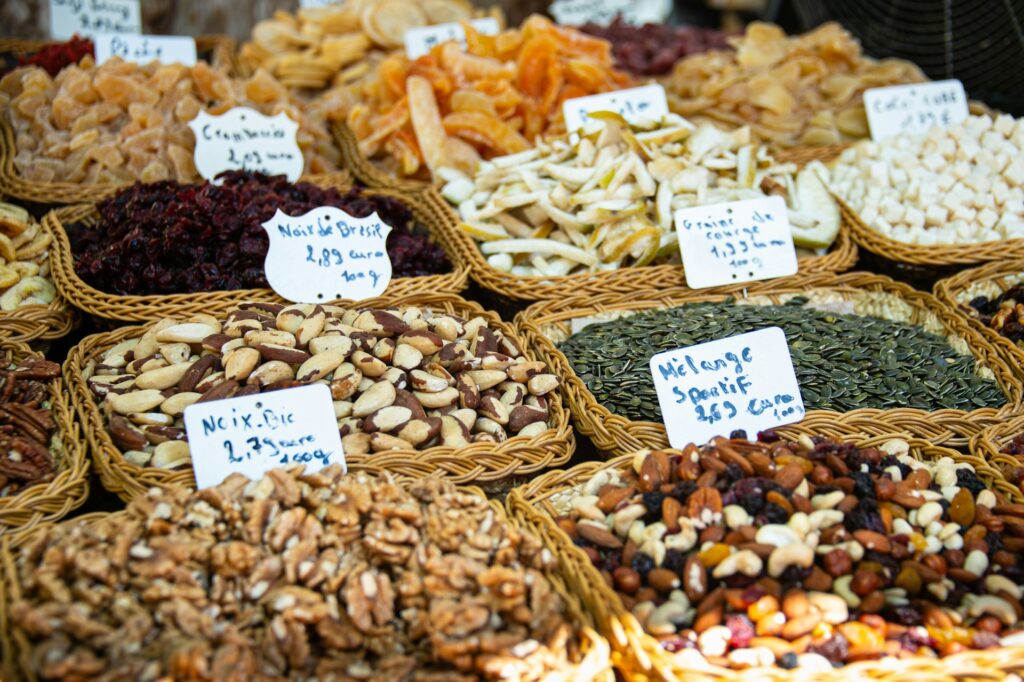

Germany continues to position itself as the largest market for dried fruits and nuts in Europe, according to a March 25 report by the United States Department of Agriculture (USDA).

With a population of over 80 million and high purchasing power, the country has sustained demand for healthy foods, driving consumption of products such as almonds, walnuts, raisins, and dried plums.
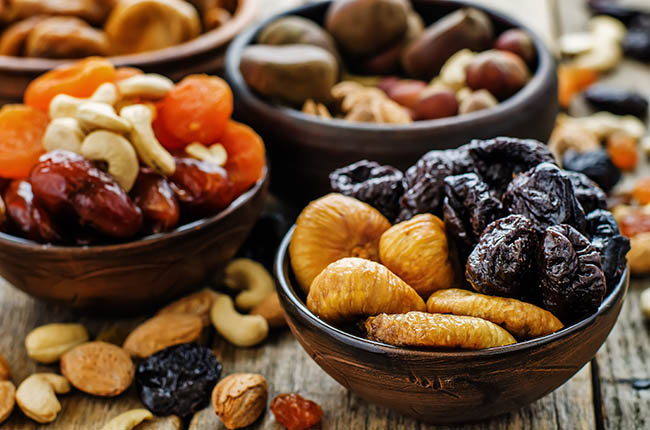
Dried fruits and nuts market relies on imports
Although Germany does not produce large quantities of dried fruits and nuts, it is the third-largest consumer worldwide.
“Moreover, [the country] has a high number of immigrants and ethnic groups from Mediterranean countries whose diet includes a higher percentage of dried fruits and nuts than the traditional [local] diet,” the document notes.
Consequently, Germany relies heavily on imports. Local companies bring in a large share of these products in bulk for processing, packaging, or re-export, creating opportunities for global suppliers.
In this landscape, retailers—especially supermarkets, discounters, and private labels—play a key role in marketing, with a strong presence of ready-to-eat products.
However, despite the obvious commercial opportunity, accessing this market poses significant challenges. Germany maintains strict standards for quality, food safety, and sustainability, aligned with European Union regulations.
Consumers are also highly sensitive to price fluctuations and health concerns, such as pesticide residues or contaminants, raising the bar for exporters.
“Many shop at discount supermarkets, such as Aldi and Lidl, and private brands are quite popular in the dried fruits and nuts sector,” the report says.
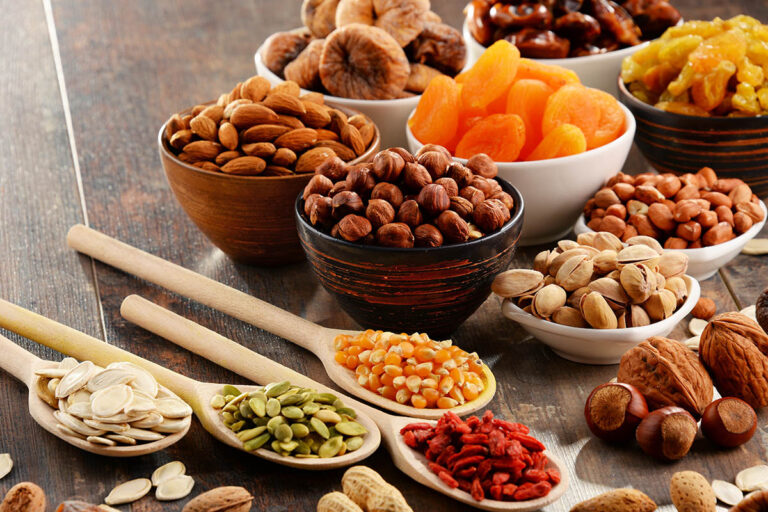
Similarly, market growth is driven primarily by consumer preference for healthy, natural, and convenient snacks, with trail mixes and “on-the-go” formats continuing to gain ground.
Value-added opportunities
Despite intense competition, the USDA identifies opportunities for suppliers capable of offering differentiated, value-added products with consistent quality. Working with local importers is key to navigating the market’s regulatory and commercial requirements, the report notes.
*All images are referential
Related stories
Dried, not tired: Smaller California prune crop sparks big growth strategies
Daily dried fruits may help ease chronic constipation
Dried fruits market to grow thanks to evolving consumer preferences







Subscribe to our newsletter