

New Chilean cherry aims to sweeten early-season window

Writing and reporting by Macarena Bravo | Lee esta historia en español.

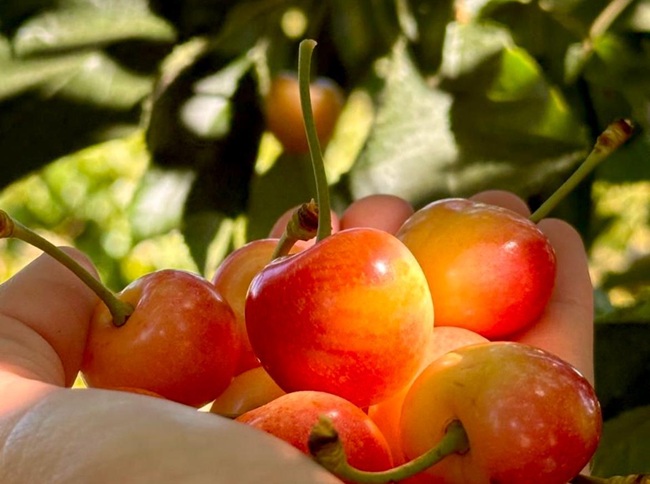
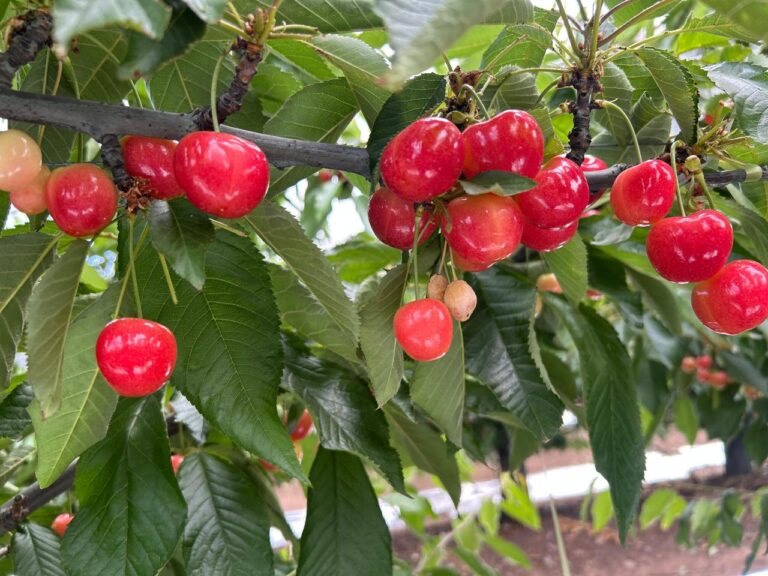
“The only constant is change,” and the Chilean cherry industry knows it well. The sector’s latest breeding effort, the Cheery Glow, could offer international buyers an earlier supply window and more consistent fruit quality upon arrival, with export packouts exceeding 88 percent under commercial conditions.
The bi-color cherry is already garnering attention in Chile for its early maturity, lower chill requirement, and postharvest performance. These factors may help suppliers manage timing and quality in a market sensitive to peak-season congestion and long transit times.
Soil and climate characteristics
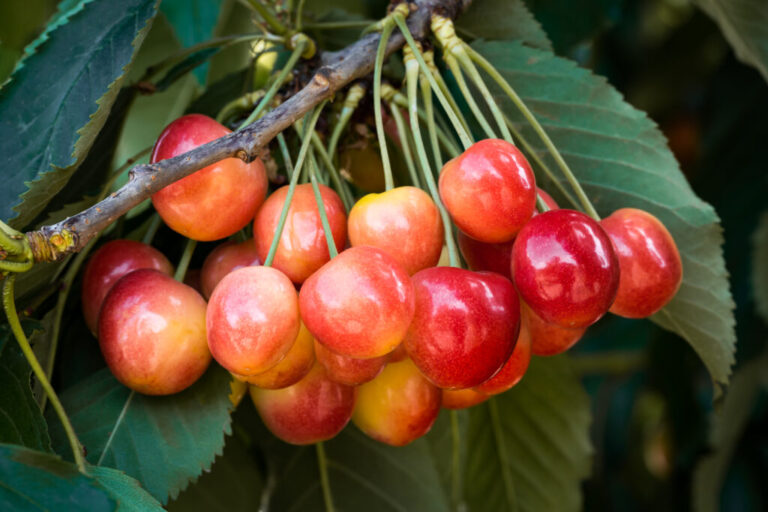
Cheery Glow demonstrates high adaptability to various growing conditions in the Andean country, according to María José Castro, Commercial Manager at Nueva Vid, the Chilean nursery licensed to grow the new variety.
Another key feature of the cultivar is its low-to-medium chilling requirement, estimated at 450 hours. This allows the plant to be established in areas with lower winter chill accumulation.
This factor has become more relevant in light of advancing climate change, which has reduced the availability and quality of chill hours in several production zones.
Macarena Villasante, Technical Manager for Cherries Chile-Peru at Bloom Fresh, explains that this characteristic not only expands the production map but also reduces risks.
“Varieties with lower chilling requirements are more likely to reach their production potential in seasons with poor winters,” she noted.
The Cheery Glow’s productivity and quality
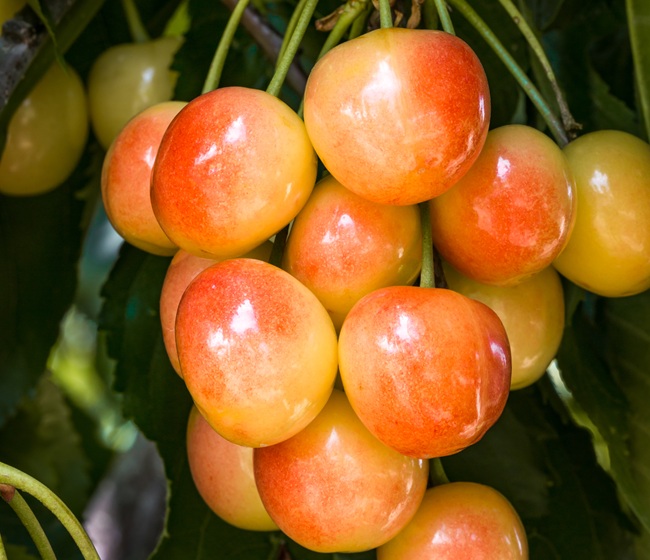
The Cheery Glow has high potential for productivity, but its technical approach prioritizes quality over quantity.
“Average productivity is 15 tons per hectare [approximately 2.4 acres], though it can be higher. However, to maintain high-quality fruit, it is recommended to manage that yield,” Castro explained.
This balance between yield and quality is key in an industry where returns depend largely on the fruit's condition upon arrival.
The variety also stands out for its early entry into production, enabling a quicker return on investment.
Villasante specified that, technically speaking, Cheery Glow has a medium-to-high fruit set rate—between 15 and 20 percent—which ensures a solid, productive foundation.
Additionally, its long pedicels facilitate harvesting without direct handling, reducing damage and improving the fruit's final condition.
The variety can be harvested five to seven days earlier than the tried-and-true Santina, and even up to ten days earlier under certain conditions.
Ignacio Bolumburu, Commercial Manager for Cherries South America at Bloom Fresh, explained that this early harvest window allows for better prices and helps avoid peak-season congestion. Additionally, it contributes to a more balanced supply distribution.
Quality and consumer experience
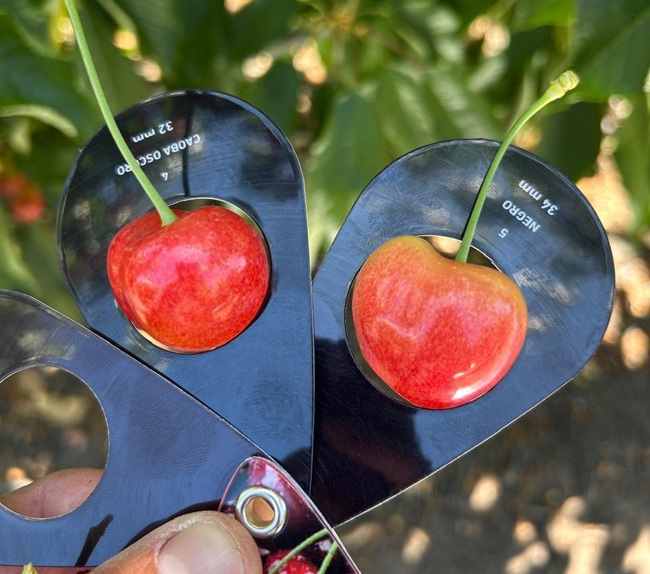
The Cherry Glow stands out for its combination of organoleptic attributes, making it attractive to both exporters and consumers.
Villasante explained that the cherry has high firmness, around 320 g/mm, and slightly above average, ensuring good performance during long-distance transport. The cultivar also features a high sugar content, between 20 and 22 Brix, giving it a sweet, consistent flavor.
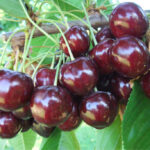
Furthermore, its two-tone color provides a visual distinction, sparking interest across markets.
Post-harvest and commercial strategy
Shipments to China, Europe, and the US have been well received. In Chile, storage tests of up to 60 days have yielded positive results for condition and appearance.
“This translates into higher export percentages, which can exceed 88 percent under commercial conditions. This post-harvest robustness provides greater logistical flexibility, allowing us to handle potential delays without compromising product quality,” Bolumburu explained.
Unlike other variety programs, the company is emphasizing controlled expansion.
“We do not seek indiscriminate mass production. We assess each region and grower to ensure the variety performs correctly,” Villasante said.
Over 490 acres are already planted in Chile, with progressive yet controlled growth. Globally, the area under cultivation remains limited, creating space for market positioning.
A contribution to the industry
For Nueva Vid, adding the Cheery Glow to its portfolio represents a critical opportunity given the current market landscape.
Despite the variety’s many advantages, executives noted that its cultivation requires certain precautions.
“The main challenge is ensuring adequate light exposure to achieve optimal color development, which involves controlling the plant’s vigor through pruning and foliage management,” Villasante explained.
He added that despite this hurdle, “results so far have been positive. Producers who already have orchards in production highlight the fruit’s uniformity, quality, and ease of handling.”
*All pictures courtesy of Bloom Fresh.
The seventh edition of the Global Cherry Summit will be held on April 21, 2026, at the Monticello Casino Events Center in Santiago, Chile. Organized by the Chilean Cherry Committee and Yentzen Group, the event will feature key knowledge sessions offering reliable, up-to-date data to support informed decisions in an industry where every season can define the business.
At the event, you will have access to real-time market analysis, learn about consumption trends, how to evaluate effective commercial strategies, and understand logistical transformations.
For more info, contact
entradas@yentzengroup.com
Tickets available here
Related articles
Supply surge forces Chilean cherry industry to look beyond China
Chilean cherry sector urges caution as growers weigh switch to hazelnuts



Subscribe to our newsletter