







Sun World and Mission Produce team up to reshape the future of mango supply
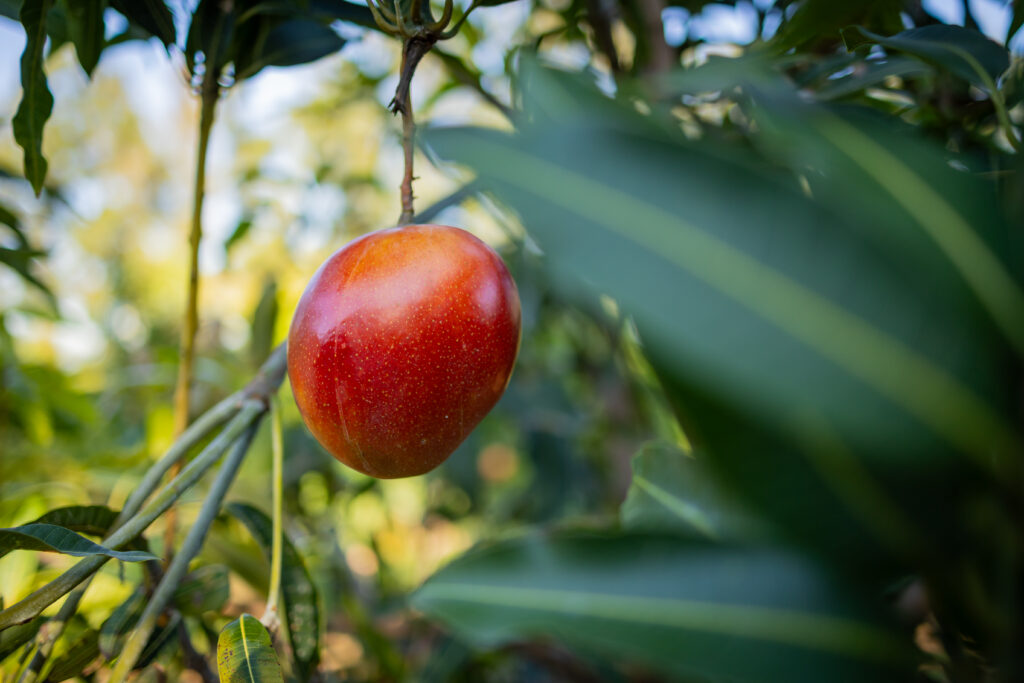



What if mangoes could be in the produce aisle at their sweetest, most consistent, and precisely when the market needs them most?


That’s the vision behind a new collaboration between Sun World International and Mission Produce, designed to fast-track the journey from breeding breakthrough to supermarket shelf.
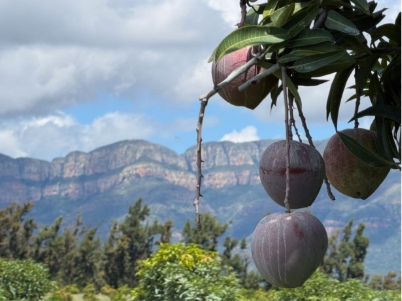
The partnership seeks to leverage the breeder’s global genetics pipeline with the distributor’s vast sourcing network and grower base, Sun World President and CEO Bernardo Calvo told FreshFruitPortal.com.
The companies expect the model to streamline the rollout of varieties, particularly in major mango-exporting countries such as Peru, Brazil, and Mexico.
Breeding for a changing climate
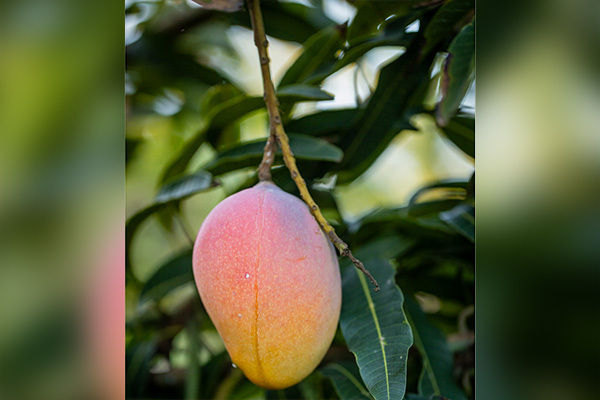
Sun World has expanded its mango breeding efforts in recent years, securing a large-scale program through the Biogold acquisition. The company’s commercial portfolio currently offers three mango varieties for licensing, including Kankun, an early-season option added in 2023.
Mission Produce’s presence, however, comes as climate volatility, water constraints, and weather disruptions continue to pressure mango production in Latin America.
To better face these challenges, the firm assesses hundreds of selections across multiple geographies to gauge performance under varying environmental conditions. But, Calvo said, the consumer remains king.
“Everything starts with the end consumer in mind, so we first prioritize the eating experience, which includes exceptional flavor, high brix content, and reduced fibrous textures,” he stressed.
Additionally, nine advanced mango selections are being considered across multiple growing regions worldwide, while several hundred early-stage candidates remain under evaluation.
Late bloomers
Through this partnership, Mission and Sun World are also targeting improved grower returns through differentiated varieties.
With nearly 600 mango selections in early-stage evaluation, the breeding expert meticulously culls plants based on criteria such as eating quality, agronomic performance, yield consistency, and post-harvest durability.
“We have a deep pipeline with hundreds of selections under evaluation, but we also have a smaller group advancing into pre-commercial trials,” the executive noted.

The development cycle for new varieties typically spans seven to 11 years from initial crossing to advanced trials, Calvo explained. With the new collaboration, growers can expect phased access to new varieties as they progress through evaluation and licensing rather than a single release.
As consumption and product visibility continue to grow, Sun World is also positioning proprietary genetics as a tool to give growers an edge in the ever-changing global mango market.
“[Proprietary mango genetics] have the potential to reshape grower economics by shifting the focus from competing in commodity volume to capturing value through timing, quality, and differentiation,” he said.
One example is the company’s late-season variety, Blyde Late, which targets a supply window after peak mango availability has declined. According to Calvo, this timing strategy is key.
“Late-season varieties are especially important in this context because they open premium market windows with less direct competition,” he concluded.
Related stories
South Korea goes tropical: Global mango imports and e-commerce drive demand





Subscribe to our newsletter