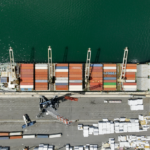



Strait of Hormuz closure squeezes US farmers with soaring fertilizer costs
 Add Fresh Fruit Portal to Google
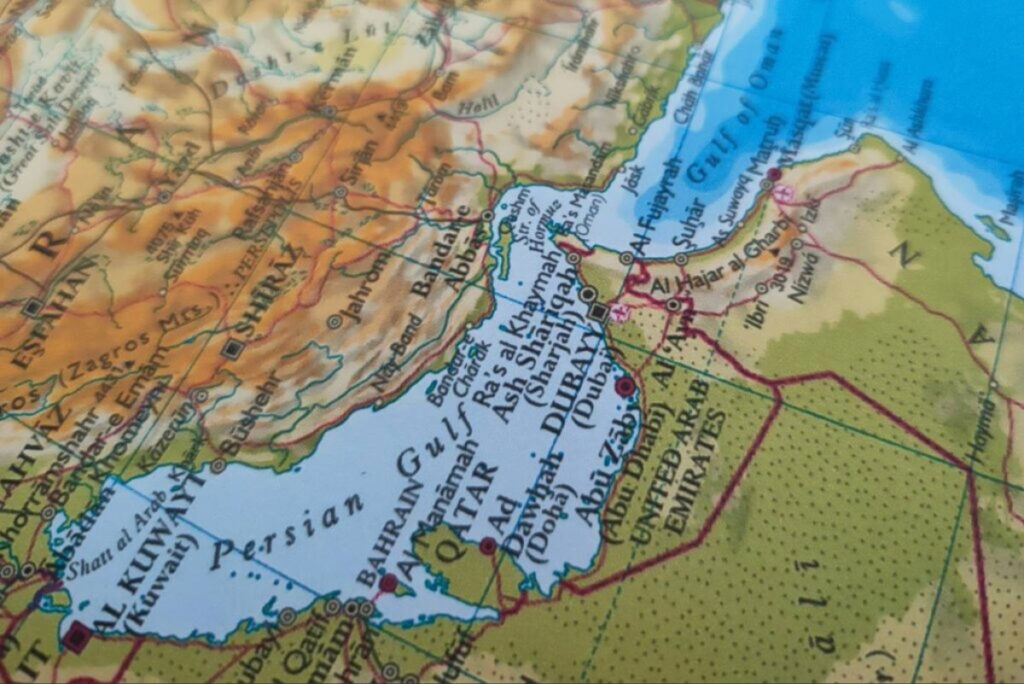
The partial closure of the Strait of Hormuz is making it harder for farmers to get fertilizer and is pushing prices higher.
Since February, when tensions between the Middle East and the US began, nitrogen prices have gone up more than 30 percent, while urea has risen by 47 percent.
To date, combined fuel and fertilizer costs have risen by about 20 to 40 percent, directly affecting farmers who are planting crops this spring, such as corn, soybeans, and peanuts.

Fertilizer prices are increasingly out of reach
An American Farm Bureau Federation survey of over 5,700 farmers found that 70 percent say they can’t afford all the fertilizer they need, and nearly six in ten report their finances are getting worse.
The survey shows that all American farmers are affected by the closure, but some are hurting more than others.
In the Midwest, 67 percent of farmers pre-booked fertilizer shipments before spring planting, so a larger share of growers in the region are feeling less of a price impact. Southern farmers are struggling the most, with only 19 percent ordering fertilizer before the season started.
In the West and Northeast, just 31 percent and 30 percent of farmers, respectively, secured fertilizer before the season began.
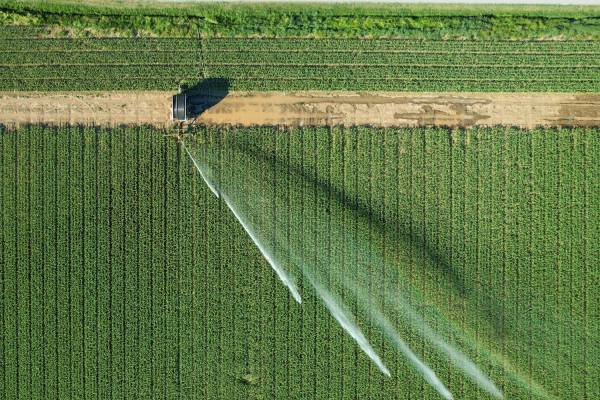
However, pre-ordering hasn’t fully protected farmers nationwide from these challenges. Even in the Midwest, where more farmers had ordered their supply, nearly one in three say they are starting the season without all the fertilizer they need.
The report says this leaves all growers facing unpredictable prices during the market disruption.
The smaller and the closer to the South, the higher the risk
Across the country, smaller farms, those between one and 499 acres, are struggling more with higher prices, as they generally pre-booked less fertilizer before prices increased than larger operations. This might be due to small producers’ general lower liquidity and more limited access to credit.
In the Midwest, 49 percent of small farms pre-booked, compared to more than two-thirds of mid-sized farms and large farms.

The gap is even wider in other regions. In the Northeast, only 24 percent of the smallest farms pre-booked, compared to 35 percent of mid-sized and 67 percent of the largest farms. There’s a similar trend in the South and the West, where the proportion of large to small farms that pre-booked is around two-to-one. Peanut growers are the least prepared among spring crop producers, with only nine percent across the US pre-booking for the season. It’s not surprising that over 80 percent of them, as well as rice and cotton producers, say they can’t afford all the fertilizer they need.
Overall, 94 percent of farmers say their finances are worse or unchanged compared to last year. Only six reported any improvement.
*All images are referential.
We are closely monitoring disruptions in the Middle East and their effects on global trade. This week, Iran partially opened the Strait of Hormuz as part of a 20-day ceasefire. We will provide relevant updates as they arise.
Related stories:
Fertilizer costs could squeeze margins and threaten 2027 yields
Agronometrics in Charts: Strait of Hormuz disruption sends fertilizer prices skyrocketing 30 percent
FAO warns of severe global food security risks from disruption to Strait of Hormuz