Chile asks USTR to exempt its fresh fruit imports from Section 301 tariffs
 Add Fresh Fruit Portal to Google
Written and reported by Macarena Bravo | Lee esta noticia en español
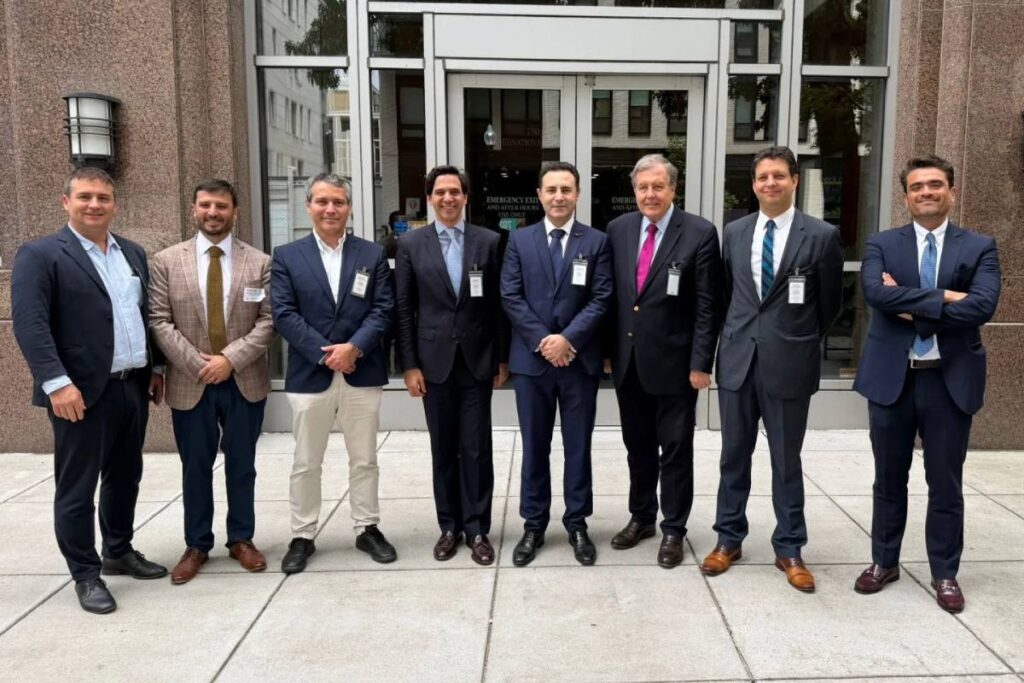
Industry body Frutas de Chile concluded its presentation at the Office of the United States Trade Representative (USTR) with optimism. The association traveled to Washington, D.C., to present the sector’s arguments for tariff exemption for Chilean fresh fruit.
The South American delegation was invited to provide testimony as part of the public hearings regarding the Trump Administration’s plan to impose tariffs under Section 301 of the 1974 Trade Act. In the case of Chile, the USTR is arguing that the country is not doing enough to eradicate forced labor, which ultimately is posing an obstacle to fair trade.

On its website, Frutas de Chile said that its presentation emphasized the association's support in preventing and ending forced labor, noting that the country has solid labor regulations and robust inspection mechanisms in that regard. Likewise, they explained the fresh produce sector in the country operates under “strict international standards, with highly traceable and constantly audited supply chains.”
Recently appointed Executive Director for the Americas, Ignacio Caballero, represented the association. In an exclusive conversation with FreshFruitPortal.com, the executive said this presentation centered on the strategic role Chilean fruit plays in the US market, supplying counter-seasonal products to fill the supply gap when local production is very limited or non-existent.
“We requested that all fresh Chilean fruits be included in Annex A, a benefit that currently favors tropical fruits, avocados, oranges, and kiwifruit,” Caballero explained.
A strong case for tariff-free fresh imports
Caballero noted that representatives from the United States Department of Agriculture (USDA) asked whether the US could produce the fruit it currently imports from Chile.
“The answer was categorical: no. Because the Chilean supply corresponds to counter-seasonal fruit, a condition that cannot be replaced by US production,” he explained.
By producing counter-seasonally, Chile allows for the availability of fresh fruit to be maintained throughout the year, explained Frutas de Chile President Iván Marambio. This scheme supports retail, consumers, and price stability in the North American market.
Image courtesy of USTR via Facebook.
“Chilean fruit does not compete with local production, but rather it complements it during the months when they cannot produce. This demonstrates the convenience of keeping these products free of tariffs," he said.
As part of the presentation, Frutas de Chile quantified the economic impact of Chilean fruit imports in the United States, which, according to the association, amounts to over $3.5 billion in economic activity per season. At the same time, Chilean imports contribute nearly $2 billion to the US GDP, and help in the creation of around 20,000 seasonal jobs.
Frutas de Chile stated it will continue monitoring the process with positive expectations, but remains hopeful of a positive outcome.
Chile and the United States have maintained a Free Trade Agreement in force since 2003 and a strategic economic relationship. The United States is Chile's second-largest trading partner, with a total trade of $34.332 billion in 2025.
*All images courtesy of Frutas de Chile unless stated otherwise.
Related stories
Section 301: A new era of tariffs, explained
Produce coalition urges USTR to protect the regional duty-free trade
US Court of International Trade strikes down Section 122 tariffs