The science behind kiwifruit’s ability to improve your sleep and mood
 Add Fresh Fruit Portal to Google
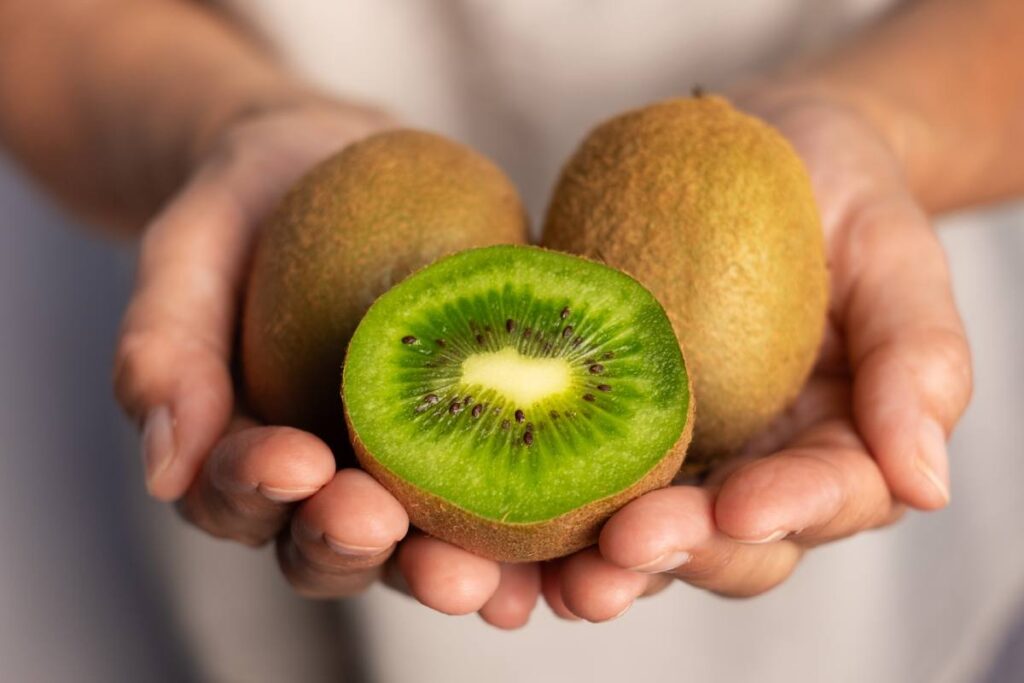
Various scientific investigations have shown the multiple health benefits of eating kiwifruit, and new studies have emerged to further support the fruit’s addition to a healthy diet.
To delve deeper into the relationship between kiwifruit and mental health, FreshFruitPortal.com spoke with physician and nutritionist Eliana Reyes, director of the School of Nutrition and Dietetics at the University of Los Andes in Chile, who emphasized the existing scientific evidence regarding the fruit’s benefits.

"We have reviewed publications that show positive effects of different fruits on mental health, especially on sleep and mood, and kiwifruit is one of the most studied foods," the academic noted.
Two kiwifruits a day, what the doctor ordered
She explained that some studies show that consuming as few as two kiwifruits a day can improve sleep quality and overall well-being. The effect, she said, could be attributed to the fruit’s high vitamin C content (double an adult’s daily requirement) and the presence of tryptophan, an amino acid precursor to serotonin, known as the "well-being hormone."
"[Serotonin] can help you relax and fall asleep, especially if consumed at night," Reyes said.
However, the researcher said results should be taken with a grain of salt by consumers, and was emphatic that kiwifruit is not a miracle food or a single solution for problems like insomnia or depression.

"It is not correct to say 'Eat kiwifruit, and you will sleep well.' What we can affirm is that, within a balanced diet, its consumption is associated with health benefits," she pointed out.
Optimal consumption
Reyes warned that in Chile, there is a big challenge regarding the population’s diet. She said that since the end of the 2000s, various surveys have shown that only a third of Chileans meet the minimum dietary requirements.
"Today we are far from reaching the recommended 400 to 500 daily grams of fruits and vegetables," she affirmed.
Furthermore, recent studies have linked low consumption of fresh produce to poorer mental health outcomes.
"People who consume more fruits and vegetables show better mood indicators, fewer depressive symptoms, and better sleep quality. It is a pattern that is repeated in different investigations," she stressed.
Fruits and mental health
The specialist said that each fruit has different health properties, and it is not helpful to always eat the same thing, especially when it comes to mental health.
“Ideally, one should consume seasonal fruits, which are more accessible and nutritious," she explained.
Bananas, for example, also provide serotonin precursors, despite often being unfairly avoided for their caloric content.
Reyes was emphatic about the importance of encouraging the consumption of fresh produce from a young age, as she says there are children today who practically do not know what fruits are.
“This is worrying because habits are formed in childhood and have an impact throughout life," she said. "Eating fruit every day, preferably of different types, is one of the simplest and most effective ways to take care of physical and mental health."
*All images are referential.
Related stories
Pecan power: New review confirms nut's impact on heart health and diet quality
Grapes are the new superfood, study says
Chilean blueberry research seeks to boost health benefits and improve quality