Tart cherry industry rolls out True Tart mark, puts Montmorency cherries in the spotlight
 Add Fresh Fruit Portal to Google
The tart cherry industry is doubling down on branding and product differentiation with the official opening of its True Tart certification program. The strategy, first announced in February, also debuted its mark design and opened applications to qualifying industry participants.
The initiative introduces a verified standard for products containing United States-grown Montmorency tart cherries, which account for nearly 98 percent of total domestic production.
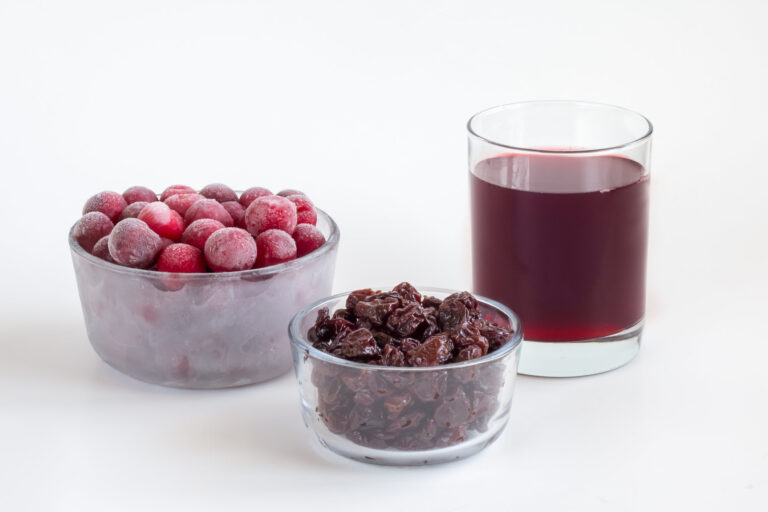
Amy Cohn, President of the US Tart Cherry Industry, told FreshFruitPortal.com the certification was developed to address confusion around labeling and strengthen differentiation for US-grown fruit.
“We recognized a growing disconnect: products across the marketplace often use terms like ‘tart cherry’ or ‘sour cherry’ without clearly communicating variety or origin, leading to confusion and diminishing the distinctive value of US-grown Montmorency tart cherries,” the executive said. “As awareness of tart cherries grows, clarity around variety, origin, and product composition becomes increasingly important.”
The newly unveiled True Tart mark will appear on products that meet standards defined by the Cherry Industry Administrative Board (CIAB).
“The True Tart mark is designed to take the guesswork out of the label—signaling that a product contains a meaningful level of US-grown Montmorency tart cherries and meets a defined, verified standard,” Cohn explained.
The program arrives as the category gains traction as a key ingredient in functional food and recovery products. The US produces between 200 million and 300 million pounds of tart cherries annually, with Michigan supplying roughly 70 percent of the crop, according to US Department of Agriculture data.
A sharper tart cherry identity
Most US tart cherries are processed rather than sold fresh, especially outside major growing regions such as Michigan, Utah, and New York.
Cohn said that category-wide promotion has helped build awareness, but the industry now wants greater precision in product composition and sourcing.
“Promotion builds awareness, but True Tart builds precision,” she said. “When ‘tart cherries’ are promoted generically, products that do not meaningfully feature US-grown Montmorency tart cherries may also benefit from broader category promotion.”
The CIAB said the certification functions as an endorsement mark rather than a consumer brand and is intended to improve consistency in how tart cherry products are represented at retail.
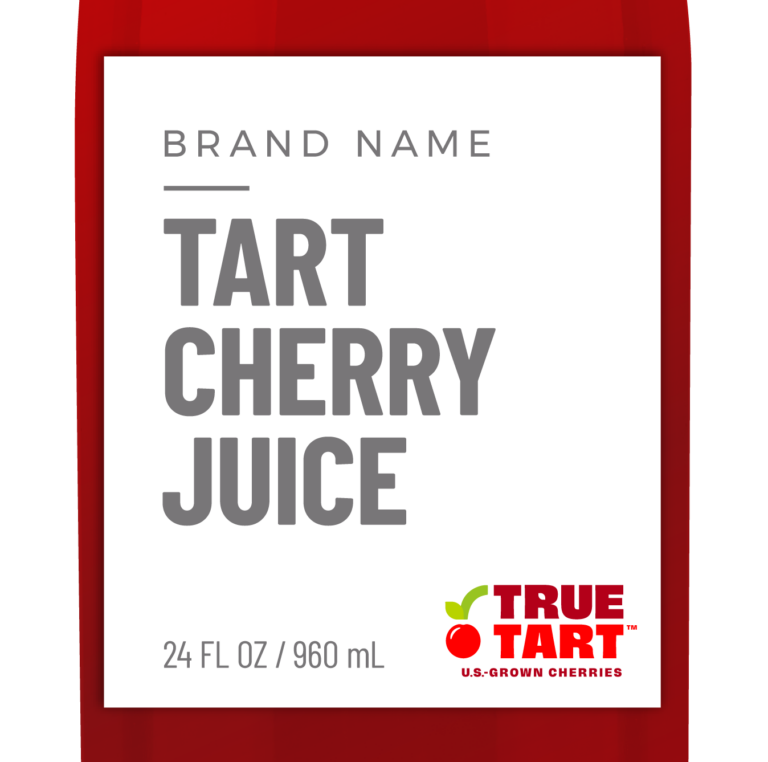
The program includes minimum inclusion standards across canned, dried, frozen, juice, and concentrate products. Companies seeking certification must complete a product-specific review process administered by the CIAB and comply with the mark's usage guidelines.
“Under the True Tart standards, ‘meaningful’ inclusion means Montmorency tart cherries are present at substantive levels—not merely trace amounts,” Cohn said. “These thresholds are designed to prevent token inclusion and ensure Montmorency remains a primary contributor in any product that carries the mark.”
From domestic to global shelves
The tart cherry industry also sees the certification as part of a longer-term strategy to strengthen the category’s position in domestic and export markets, Cohn explained.
“As international demand for research-backed, specialty ingredients grows, we see an opportunity to elevate the Montmorency identity beyond US borders,” she said. “Our approach prioritizes markets where tart cherries are positioned as a functional ingredient, and where origin differentiation supports premium positioning.”
Cohn said feedback from processors and brands helped shape the final program framework before launch.
“We’ve seen strong and thoughtful engagement from industry stakeholders, including constructive feedback that helped strengthen the final program materials ahead of launch,” Cohn said. “Overall, there is recognition that clearer standards and stronger differentiation for US-grown Montmorency tart cherries can create long-term value for the industry.”
*Photos are referential. | True Tart mark design courtesy of CIAB.
Related stories
Northwest Cherries adjusts season forecast down 12 percent
Beyond volume: How Chilean cherries plan to boost quality and sustain demand amid price pressure