


Belgian apples head for China

 Add Fresh Fruit Portal to Google
The Belgian apple sector is ready to take a bite out of the coveted Chinese market. After several years of negotiation, the countries have officially signed a phytosanitary protocol between Belgium’s Federal Agency for the Safety of the Food Chain (FASFC) and China’s General Administration of Customs (GACC).
Authorities said the first commercial shipments could begin as early as the next growing season.
Christine Romeyns, Director General of the FASFC, said the agreement marks “an important and significant step for our fruit sector” and reflects years of collaboration with Chinese authorities.
Romeyns also noted that the protocol includes strict requirements and that the industry must now ensure compliance with all conditions before exports can begin.
Belgium’s Federal Minister of Agriculture, David Clarinval, described the agreement as “historic” and said it creates a significant opportunity for the country's producers and exporters.
Clarinval urged the Belgian apple industry to begin preparations immediately to capitalize on the new market access and establish a presence in China.
Growing market opportunities for Belgian apples
The market opening comes as China continues to diversify its sources of fresh fruit supply and as exporting countries pursue greater access to Asian markets through phytosanitary agreements and market diversification strategies.
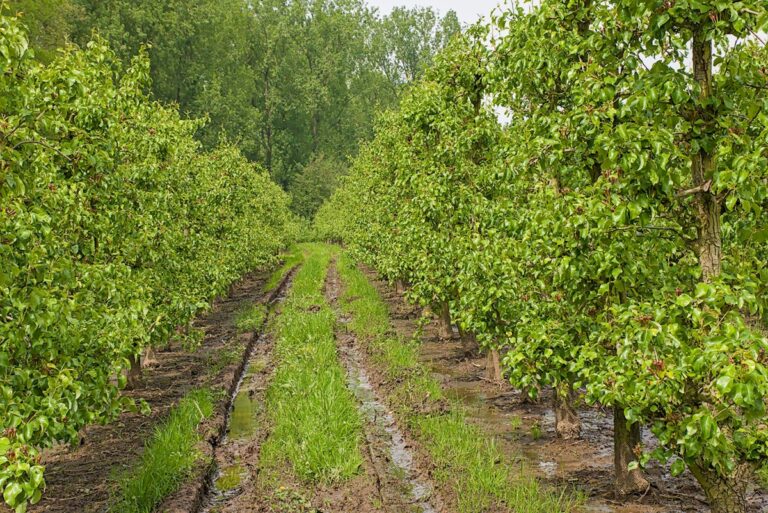
Belgian apple production has fluctuated in recent decades due to weather conditions, varietal changes, and reductions in planted acreage.
According to data compiled by the Helgi Library from the Food and Agriculture Organization Corporate Statistical Database (FAOSTAT), Belgium produced nearly 160,000 tons of apples in 2024. The country's highest recorded apple crop exceeded 500,000 tons in 2000.
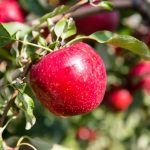
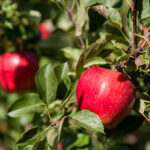
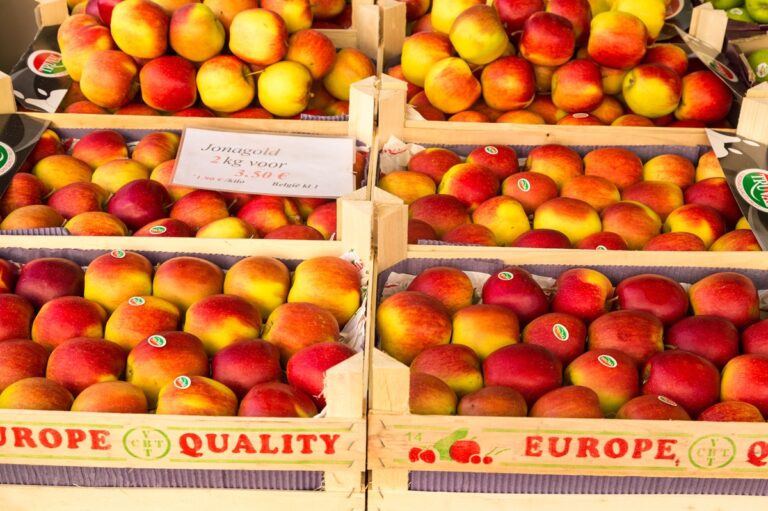
Belgian apple production is concentrated in the Flanders region, particularly in Limburg, where growers produce varieties such as Jonagold, Jonagored, Kanzi, and other club apples. Jonagold remains the country's most widely consumed apple variety, accounting for about 40 percent of domestic consumption.
*All images are referential.
Related articles