Energy shock waves to trigger new US food inflation cycle, says Rabobank

 Add Fresh Fruit Portal to Google
Mounting cost pressures are threatening the US food supply chain with a new era of price volatility, posing an elevated risk of inflation over the next 12 to 18 months. According to a report published by Rabobank, markets should expect mid-single-digit food inflation, with monthly ranges hovering between four and six percent through 2027.
This inflationary cycle is primarily fueled by volatile energy markets, the document reads, which are raising costs across the entire agricultural and logistical network.
Compounding the situation, Rabobank explains that the economic tide shift will meet a financially weaker and more constrained consumer base, making it more difficult for companies to weather the storm by passing cost increases along down the pipeline.
Imported pressure drives price volatility
According to the authors, inflation in the food supply chain is the direct result of geopolitical instability, which is simultaneously tightening oil, diesel, LNG, and fertilizer markets. Upstream pressure is driving up production costs and putting pressure all the way down to grocery store shelves and restaurants.
Rabobank estimates that year-over-year US food inflation will sit between four and six percent by December, while full-year 2027 inflation is projected to settle between three and five percent. The calculation, the authors say, is based on the rule of thumb that a sustained 10 percent increase in oil prices correlates with an approximate 0.5 percent or higher spike in the food Consumer Price Index (CPI) over time.
Specific commodity forecasts for 2026 reveal substantial variance: beef prices are projected to surge by up to 11 percent due to tight herd levels, while dairy products like cheese and butter are expected to rise by over five percent. Additionally, potatoes are forecasted to increase by up to nine percent, while fresh produce categories like lettuce and onions see more moderate 2026 projections of up to three and five percent, respectively.
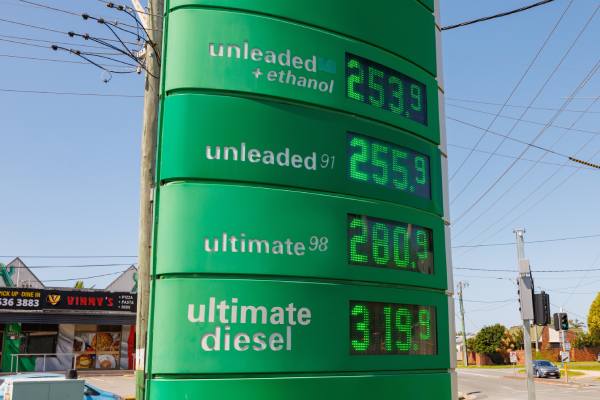
Beyond farm gate prices, logistics and packaging are compounding the problem. Trucking costs, including fuel, are positioned to rise faster than inflation in 2026 as capacity tightens, with a 10 percent average increase in trucking costs translating to a half-point lift in food inflation.
Simultaneously, energy-linked packaging substrates—such as plastics, fiber, glass, and aluminum—face upward pricing adjustments, adding steady pressure that converters will pass down the chain.
The human factor: Financially constrained consumers
As if the situation is not alarming enough, shifting consumer behavior is posing a challenge for producers, exporters, and retailers.
According to Rabobank, during the 2021-2022 inflation surge, cumulative grocery prices jumped between 30 and 35 percent, but pandemic-era savings and government stimulus checks softened the blow significantly. Today, that financial cushion has been fully depleted, meaning consumer demand will act as a brake on pricing power rather than amplifying it.
This financial strain has created an increasingly bifurcated, "K-shaped" demand pattern, the authors explained. While high-income cohorts maintain spending flexibility, lower- and middle-income households are highly price-sensitive. This divergence is driving a "barbell" dynamic at retail shelves: value segments and private labels grow through substitution and differentiated premium products hold ground, while the mid-tier gets squeezed. Shoppers are buying smaller basket sizes, hunting for promotions, and eliminating discretionary restaurant add-ons like appetizers and desserts.
A way through the perfect inflation storm
For food and beverage companies, this environment brings significant risks, including margin compression due to constrained pricing power, volume losses, and higher earnings volatility.

To weather this storm, Rabobank suggests that companies prioritize tighter risk management, stronger supply security, cost reduction, and disciplined pricing. Operational processes must be simplified to build supply chain resilience.
In some instances, businesses may need to selectively accept margin erosion to protect sales volumes while carefully reassessing product price elasticity.
Several structural headwinds could further depress sales volumes, including rising GLP-1 adoption, changing dietary guidelines, slowing population growth, and reduced SNAP benefits.
*All images are referential.
Related stories
US fresh produce prices jump 1.7 percent in April amid rising energy costs
Fresh fruit prices to see moderate 0.2 percent increase in 2026