Section 301: A new era of tariffs, explained
 Add Fresh Fruit Portal to Google
With International Emergency Economic Powers Act (IEEPA) tariffs in the past and remaining Section 122 sanctions set to expire on July 24, the Trump Administration is using a new provision within the 1974 US Trade Act to rebuild its levy-based economic policy.
The more convoluted but legally robust Section 301 uses the authority of the US Trade Representative (USTR) to sanction unfair trade practices by foreign countries by imposing import restrictions, including tariffs.
After the Supreme Court decision in February, the White House announced it would explore this avenue, directing US Trade Representative Ambassador Jamieson Greer to launch investigations on some of the country’s biggest trade partners, including China, Brazil, India, and the European Union. The preliminary results of those inquiries were published by the USTR office earlier this week, creating confusion all along the supply chain.
However, it is important to note that the proposed USTR sanctions are not final at the moment. An open written comment period began upon publication, during which the public can submit relevant information ahead of a final determination. This step of the process ends on July 6, and the USTR will hold a public hearing with relevant testimony on July 7.
After that, Section 301 grants the US President discretionary power to impose tariffs without needing Congress' approval. The timeline to do so is not determined by the provision.
Section 301 in context: Forced labor claims and up to 12.5 percent tariffs
This week, the USTR published the results for 60 investigations seeking evidence of unfair commercial practices by US trade partners against the country.
In those documents, the office focused on forced labor claims, accusing 54 nations of failing “to impose and effectively enforce a prohibition on the importation of goods produced with forced labor.” The office also alleges six others failed “to effectively enforce a prohibition on the importation of goods produced with forced labor.”
“The failure of our most important trading partners to address the importation of goods made with forced labor is unacceptable. This creates a dynamic where American workers are forced to compete globally on an unlevel playing field. We will no longer tolerate this disparity,” said Ambassador Greer in a statement.
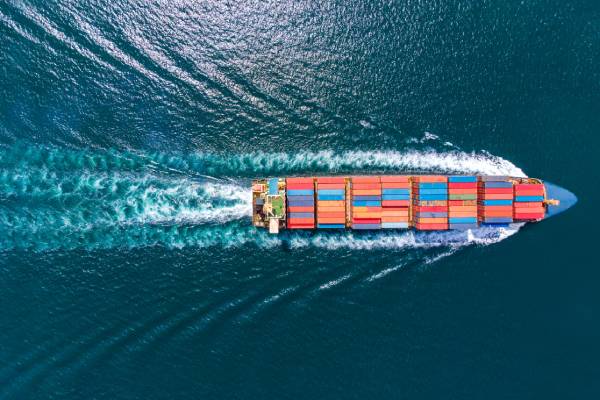
The long list of countries in the first cohort includes Australia, Brazil, Chile, China, Hong Kong, India, Israel, Japan, New Zealand, Norway, Peru, the Philippines, Russia, Saudi Arabia, South Africa, South Korea, Türkiye, the UAE, and the UK, among many others. For them, the USTR recommends a 12.5 percent additional duty on US imports. Meanwhile, the second group (Canada, Ecuador, Indonesia, Mexico, Pakistan, and the European Union) should be subject to an additional 10 percent duty, according to the office.
According to the USTR, these countries’ actions burden or restrict US commerce by “subjecting US producers to unfair competition from forced labor goods both in export markets and the US market, and by displacing foreign goods produced without forced labor or forced labor inputs into the United States and other markets.”
Reactions from around the world
In the statement posted on the USTR website, Ambassador Greer explained that some trading partners have taken initial steps to prevent the importation of forced labor goods.
This includes treaties like the US-Mexico-Canada Agreement (USMCA) and commitments in bilateral trade deals, most of which have been finalized or are in the works since the initial announcement of tariffs in April 2025.
That is the case with India, for example. According to Reuters, the Indian Commerce Ministry stated on Wednesday, June 3, that the country “remains engaged with the United States on the matter as a part of Section 301 proceedings,” and is working with the US to finalize the framework agreement announced in February.
The European Union is taking a similar stance, where the bloc said it remained committed to the trade deal signed with Washington last year, which capped EU tariffs at 15 percent. This didn’t prevent the European Commission from labeling the USTR proposal as “unjustified,” with the European Parliament Trade Committee Chair, Bernd Lange, calling the whole investigation “utterly absurd.”
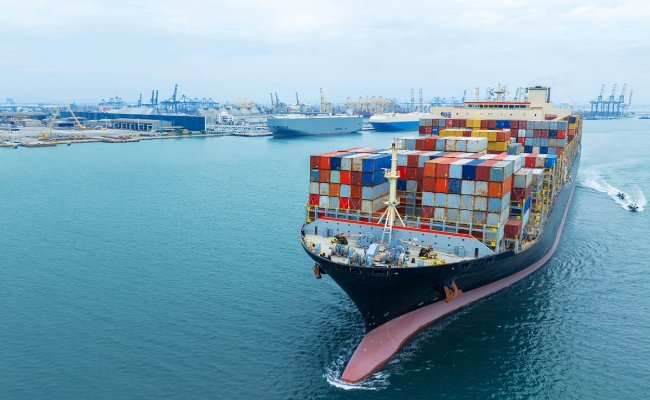
On its part, China opposed the tariffs and rejected the USTR’s claims, saying there’s no forced labor in the country. Meanwhile, the UK and Thailand said they remain hopeful and trusting of the prevalence of existing trade agreements with the US, Reuters reported.
25 percent tariffs: The case of Brazil
Unfortunately, not all countries can bank on hope alone. Brazil is waging a battle of its own, as the USTR has threatened the Latin American country with 25 percent tariffs.
It is unclear whether this levy would be added to the 10 percent proposed sanction for the above-mentioned unfair commercial practices concerning forced labor. If so, the US could end up applying a whopping 35 percent surcharge on Brazilian exports—with a few exceptions. These include beef, coffee, and orange juice, all essential products for the US economy.
However, Brazil’s situation stands out, as USTR's allegations against Latin America’s largest economy appear to be tainted by political interests. In a post presenting the office’s findings, Ambassador Greer explained the Section 301 investigation was launched “at President Trump’s direction” over “concerns with certain of Brazil’s trade policies and practices.”
The USTR cites six specific allegations against the country, including the unfair treatment of US-based tech companies by Brazilian courts, and insufficient enforcement efforts to combat bribery and corruption, illegal deforestation, and violations of intellectual property rights.
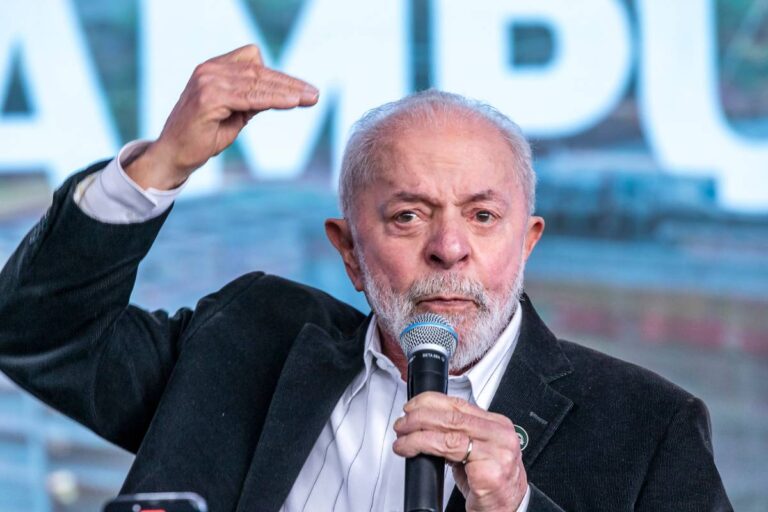
Brazilian President Luiz Inácio Lula da Silva received the news “with indignation,” according to France 24. He questioned the motives behind the USTR inquiry, citing his country’s 11 percent trade deficit with the US as proof that there are no legitimate commercial reasons prompting the investigation.
The Brazilian government also cited President Trump’s close relationship with the family of former Brazilian president Jair Bolsonaro. The far-right politician was sentenced by the Supreme Court to 27 years in prison for conspiring to execute a coup d’etat, a decision the US president had threatened with 50 percent tariffs on Brazil if it came to be.
At the end of May, President Trump met with Brazilian senator Flávio Bolsonaro, son of the former leader, and the far-right’s candidate for the country’s presidential election, to be held later this year, in October.
“I’m not going to cry about it,” Lula said about the USTR investigation and its proposed sanctions, according to the news outlet. “If they don’t want to buy from us, we’ll sell to someone else.”
Aside from the open comment period and the hearing scheduled by the USTR, there’s little clarity on when Section 301 tariffs will be enforced. The provision is one of the few in United States law that provides the executive power the discretion to regulate international trade without Congressional approval.
Whether the White House will use the USTR findings as a bargaining chip to force countries to the negotiating table, or if they will actually be enacted, remains a question mark. Unfortunately, this moving target translates into added pressure for the global supply chain, which has already been highly constricted by geopolitical disruptions and high market volatility.
Related stories
Trump Administration appeals USCIT block of Section 122 tariffs
US Court of International Trade strikes down Section 122 tariffs
US Supreme Court strikes down IEEPA tariffs, President Trump responds with 15% global levy