Opportunities, challenges, and global positioning of Dominican mangoes
 Add Fresh Fruit Portal to Google
by Francisco Seva Rivadulla, international agri-food journalist.
Over the past few decades, the Dominican Republic has established itself as one of the leading mango producers and exporters in the Caribbean and Latin America.
Thanks to the country’s favorable climate, diverse varieties, and focus on complying with international quality standards, Dominican mangoes have successfully penetrated demanding markets such as the United States and Europe.
Dominican mangoes: A product with identity and competitive value
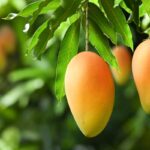
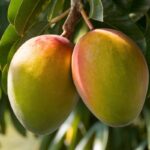
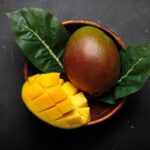
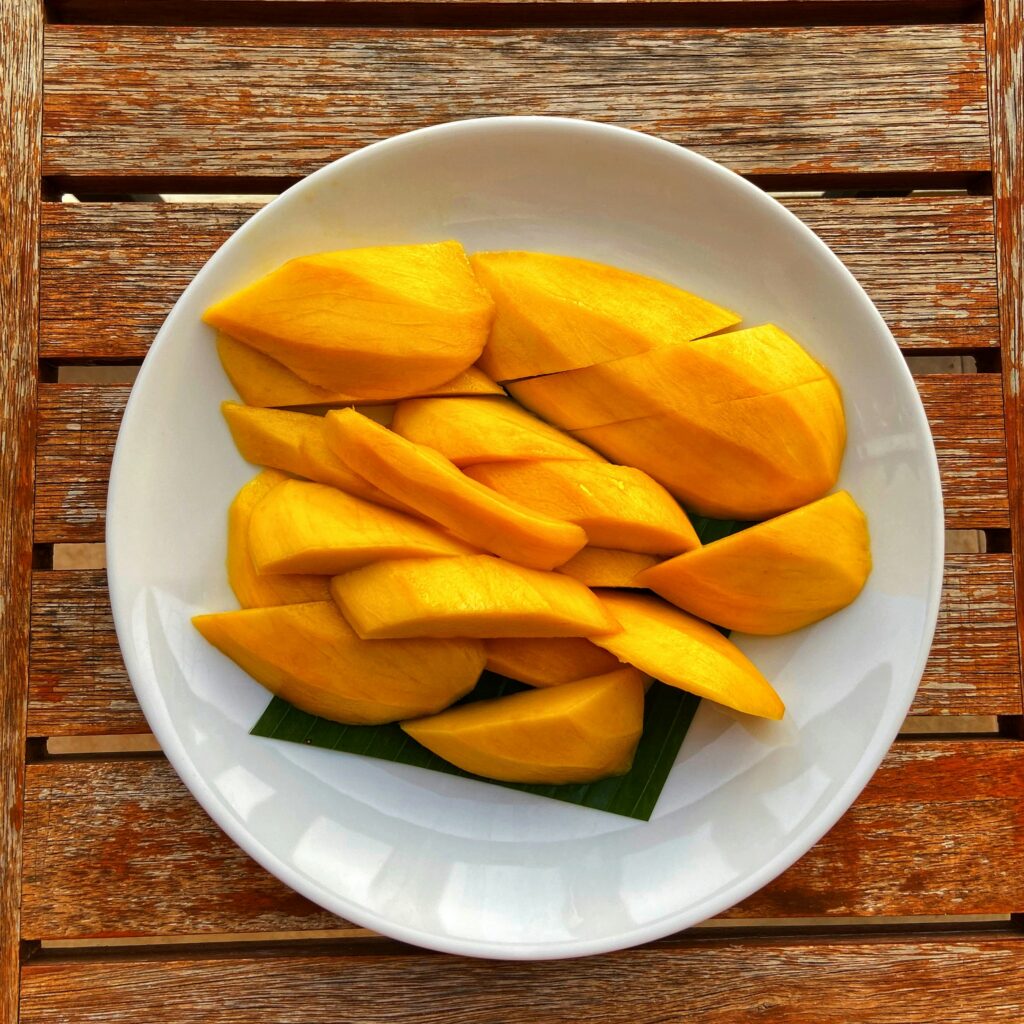
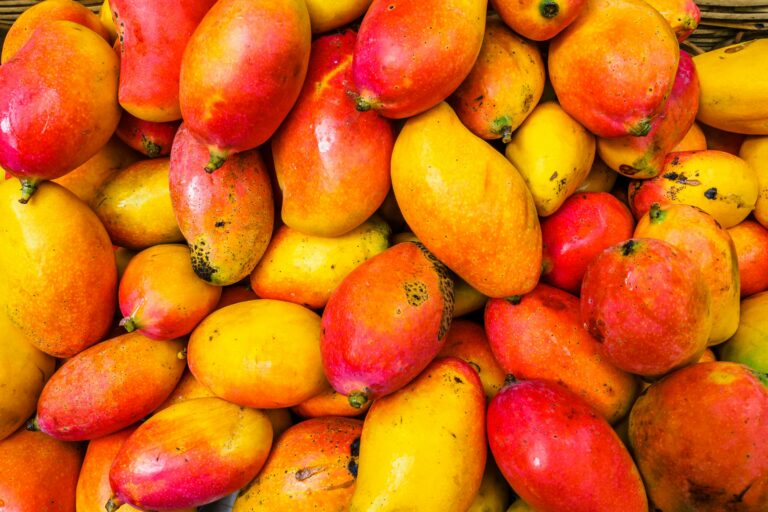
Dominican mangoes stand out for their flavor, texture, and variety. Among the most recognized are the Keitt, Banilejo, Mingolo, and Crema de Oro. The Baní region, in particular, has become the epicenter of national production, even hosting the Mango Fair, an event that promotes both local consumption and international exposure.
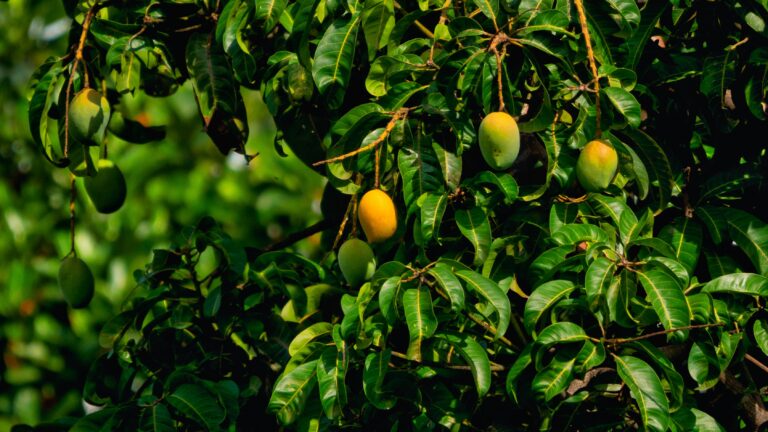
The combination of fertile soils, a tropical climate, and rich agricultural expertise has enabled Dominican producers to offer a competitive product against export giants such as Mexico, Peru, and Brazil.
Export trends
The internationalization of the Dominican mango has been driven by trade liberalization policies, bilateral agreements, and the strengthening of value chains. In recent years, exports have grown steadily, particularly to the US, as a main destination, the European Union (particularly the Netherlands, Spain, and Germany), and Canada.
This growth has been made possible by compliance with phytosanitary regulations, certifications such as GlobalG.A.P., and improvements in logistics and packaging.
Key factors
Among the sector’s efforts to position Dominican mangoes internationally, adopting international standards has enabled access to more demanding markets.
Additionally, cooperatives and producer associations have strengthened export capacity. Agencies such as the Ministry of Agriculture and the Export and Investment Center have also played a key role.
Developments in cultivation, irrigation, and pest control techniques have allowed for further improvement.
However, challenges remain. Limited logistics infrastructure, market dependence, and complex access to financing for smaller producers continue to weigh on the sector.
International competition remains intense, requiring high standards and product differentiation to ensure profitability.
Future outlook
The future of Dominican mangoes in international markets is promising. There is growing interest in organic and sustainable products, which opens new opportunities for local producers.
The consolidation of the country brand, along with international marketing strategies, will be key to positioning this product not only as an agricultural product but as a symbol of quality and Caribbean tradition. At the same time, the excellent work carried out by the National Mango Board has also definitively driven an increase in mango consumption in the US.
Related stories
Greenhouse production drives Dominican cherry tomato exports up