US Supreme Court blocks thousands of lawsuits against Bayer's Roundup
 Add Fresh Fruit Portal to Google
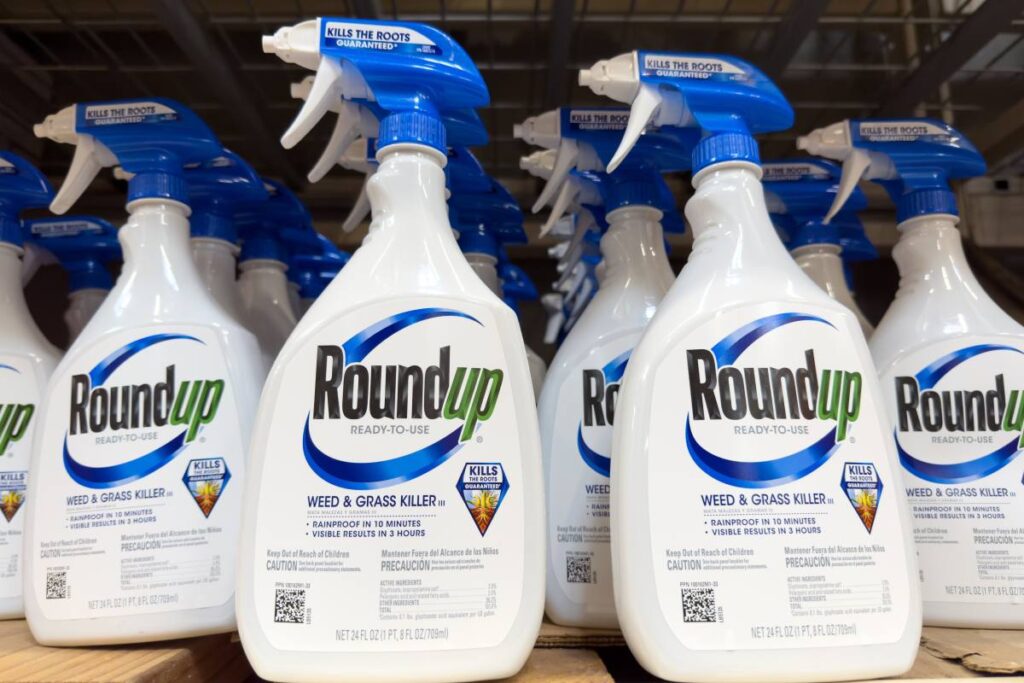
In a 7-to-2 decision issued on Thursday, the US Supreme Court ruled in favor of Monsanto in a longstanding legal dispute involving the company's glyphosate weed killer Roundup, now owned by German pharmaceutical Bayer.
The decision effectively blocks thousands of lawsuits against the firm that claim the chemical caused the plaintiffs' non-Hodgkin lymphoma.
This is a positive turn of events for Bayer, which has spent years paying out billions of dollars in settlements in cases involving Roundup-related injuries. Back in February, the company announced a nationwide class settlement of $7.25 billion to be paid in installments for up to 21 years. The company's strategy seeks to end the legal action against its globally best-selling product and is dramatically bolstered by the latest SCOTUS decision.
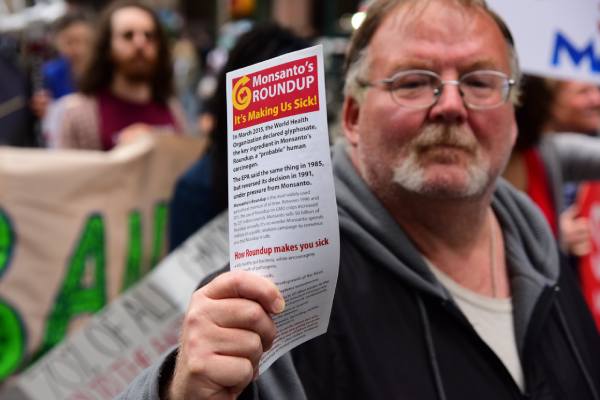
Image by a kats via Shutterstock
However, Bayer is not the only one celebrating. The ruling also plays in favor of chemical company Syngenta, which has been the target of strong legal action from users claiming exposure to its paraquat-based weed killer is responsible for their Parkinson's disease. As a result, the company announced in March that it would stop manufacturing the product.
Roundup bottles didn't fail to warn against cancer risk, says SCOTUS
The SCOTUS decision specifically pertains to an appeal in the $1.25 million Monsanto v. Durnell case, following a Missouri state court's ruling against the company.
According to The Guardian, the question in the suit revolved around "whether a federal law that gives the Environmental Protection Agency (EPA) regulatory authority over pesticides preempts state claims that a company failed to warn users of certain product risks when the EPA itself has not required such warnings."
In the decision, penned by Justice Brett Kavanaugh, the court explained that, given that the EPA didn't require a cancer risk warning for Roundup, state courts cannot uphold lawsuits that contradict a federal agency's decision.
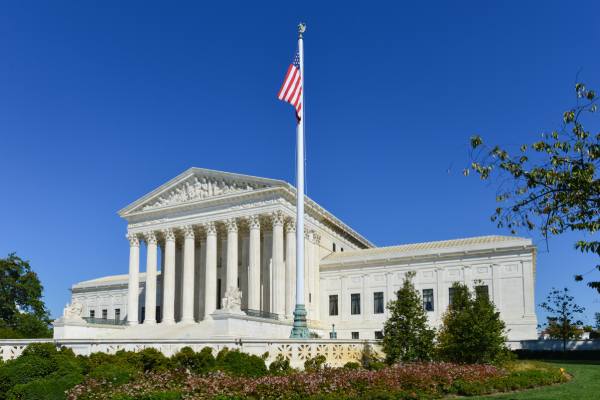
Image by Orhan Cam via Shutterstock.
"Because Durnell's state tort claim would impose a pesticide labeling requirement 'in addition to or different from' the label required by EPA, [the Federal Insecticide, Fungicide, and Rodenticide Act, FIFRA] expressly preempts Durnell's claim," read the majority's opinion.
In her dissent, Justice Ketanji Brown Jackson, who was joined by Justice Neil Gorsuch, wrote that the majority had misunderstood the scope of FIFRA and that adding a cancer warning doesn't violate the law.
"In accepting Monsanto's argument and holding that Durnell's failure-to-warn claim is preempted, the Court misunderstands FIFRA's requirements, misinterprets the scope of FIFRA's preemption, and ultimately leaves Durnell without a remedy for the significant harms he has suffered," she wrote.
The debate behind glyphosate risk
Glyphosate is a popular active ingredient in several herbicides, including Bayer’s best-selling weed-killer, Roundup. Whether the compound is carcinogenic seems to continue to be a debated subject among scientists.
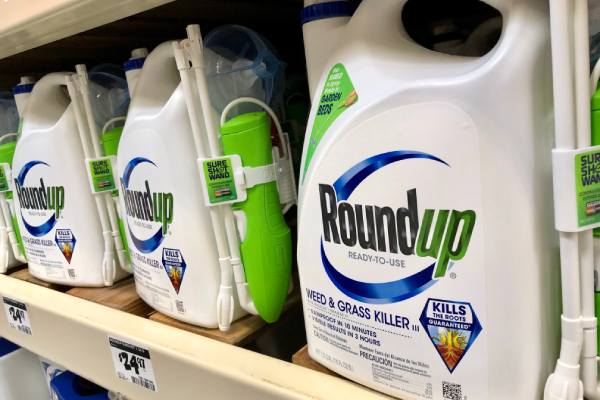
Image by ZikG via Shutterstock.
In 2015, the World Health Organization’s International Institute for Research on Cancer (IARC) stated that glyphosate is “probably carcinogenic to humans.” The entity warns that the evidence is “limited” and based on around 1,000 studies containing data “from real-world exposures.”
Meanwhile, the EPA says it doesn’t agree with the IARC.
In this matter, the US agency questions the data on which the WHO based its stand, saying that the EPA considered a “significantly more extensive and relevant dataset,” and that the IARC “only considered eight animal carcinogenicity studies while EPA used 15.”
*Main image by ZikG via Shutterstock.
Related stories
The fight over glyphosate: 3 keys to understand why Bayer's stock shot up
Bayer AG announces $7.25B class settlement agreement to resolve Roundup claims
Trump invokes the Defense Production Act to boost domestic glyphosate production, as MAHA erupts