Panama Canal traffic climbs amid looming El Niño restrictions
 Add Fresh Fruit Portal to Google
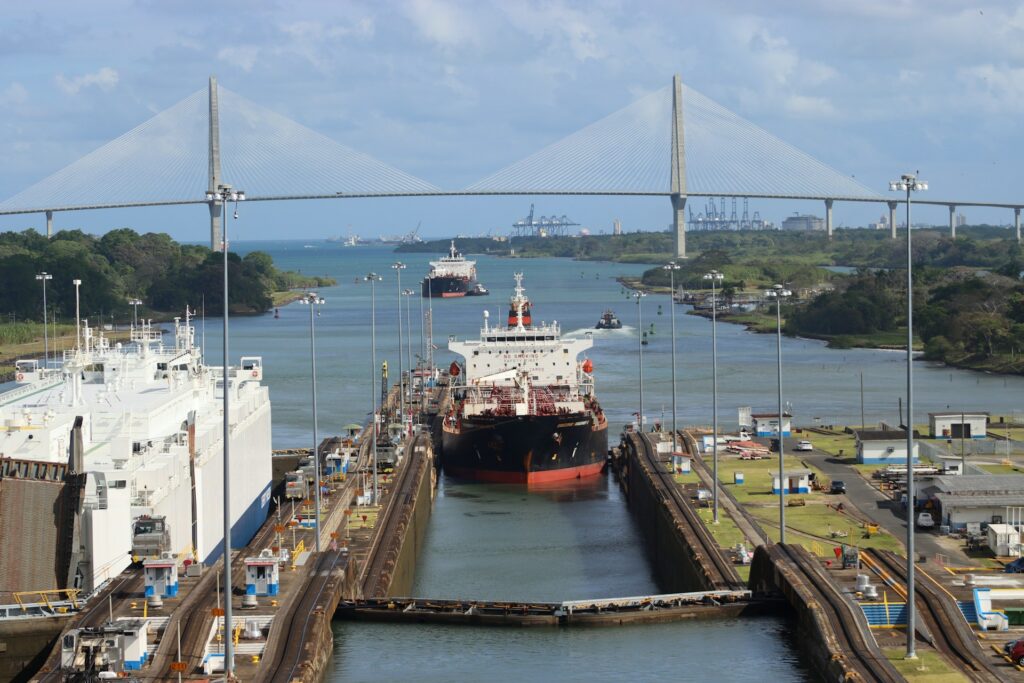
In a recent market update, the Panama Canal reported higher vessel traffic, cargo volumes, and revenue during the first nine months of 2026. However, the waterway is readying new draft restrictions and carrier surcharges on trans-Pacific trade in preparation for a potentially severe El Niño event.
The canal authority said it averaged 35 daily transits and handled 10,726 vessels between October 2025 and June 2026, up 5.2 percent year-on-year. Cargo volume reached 390 million Panama Canal Universal Measurement System (PC/UMS) tons, a seven percent increase from 364 million PC/UMS tons during the first nine months of fiscal year 2025.
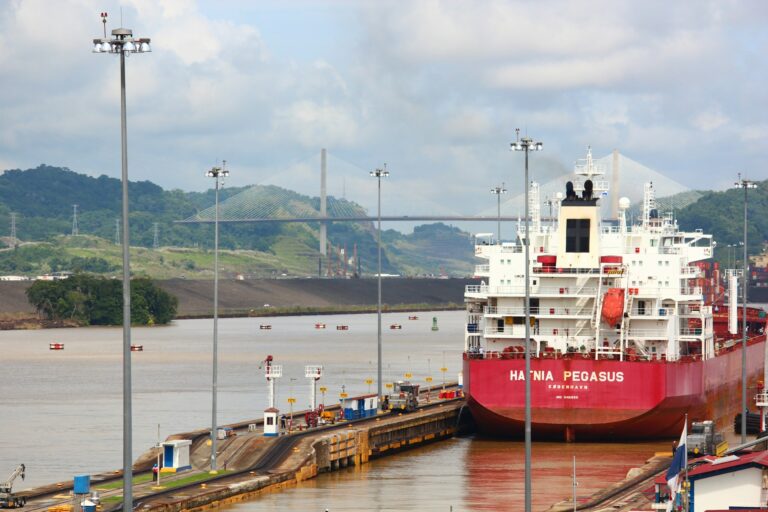
The operational update comes as the Panama Canal Authority begins reducing allowable draft for neo-Panamax vessels because of declining water levels in Gatun Lake. The maximum draft fell to 49 feet on July 24 after an earlier reduction to nearly 50 feet, with a further cut to 49 feet scheduled for August 15 if dry conditions persist.
The United States National Oceanic and Atmospheric Administration has confirmed that El Niño has developed. The agency has forecasted the phenomenon could strengthen through 2026 and persist into early 2027.
The restrictions have already prompted several major container carriers to introduce Panama Canal surcharges, the Shipping Gazette reported. Mediterranean Shipping Co. plans to charge $100 per TEU on Asia-US East and Gulf Coast services beginning August 19, while Hapag-Lloyd will implement a $130 per TEU surcharge on August 15, and CMA CGM introduced a $320 per TEU surcharge on July 25.
Revenue remains strong despite El Niño concerns
Transit revenue totaled $4.8 billion during the period, up 17 percent year-on-year. Meanwhile, net income increased 19 percent to $3.6 billion.
According to the canal, strong rainfall in 2025 and an unusually wet dry season in 2026 helped replenish reservoir levels and delayed the need for new restrictions until this month. However, canal officials said the probability of a severe El Niño increased from 25 percent in April to 81 percent in July, prompting the contingency planning.
“Capacity restrictions will likely be implemented, not only in terms of draft limitations but also through reductions in the number of daily booking slots,” Panama Canal Administrator Ricaurte Vásquez warned.
*All images are referential via Unsplash.
Related stories