The Chinese boom of "fruit-type" or baby veggies
 Add Fresh Fruit Portal to Google
This year, the fruit market in China is experiencing widespread price drops, with durian, watermelon, grapes, and other fruits suffering significant losses.
However, what's intriguing is that vegetables bearing the name "fruit" (equivalent to the use of the term "baby" in the US), such as cucumbers, corn, and carrots, have seen their prices rise dramatically in the country.
According to CCTV News, the price of fruit-type vegetables is far higher than that of ordinary vegetables. Behind this " fruit " halo, there is not only the real improvement in taste and cost support, but also a lot of marketing and packaging.
Only a marketing term
Li Yansu, a researcher at the Institute of Vegetables and Flowers of the Chinese Academy of Agricultural Sciences, said that "fruit-type vegetables" is a common name in the market. Essentially, some varieties taste better than others, so local merchants use the name " fruit-type " to highlight the difference in taste.
In other words, "fruit-type vegetables" is not a formal botanical classification, but a marketing term created by retailers. Because some varieties are sweeter, crisper, and have thinner skins than ordinary produce, they are given the name "fruit" and their price increases accordingly.
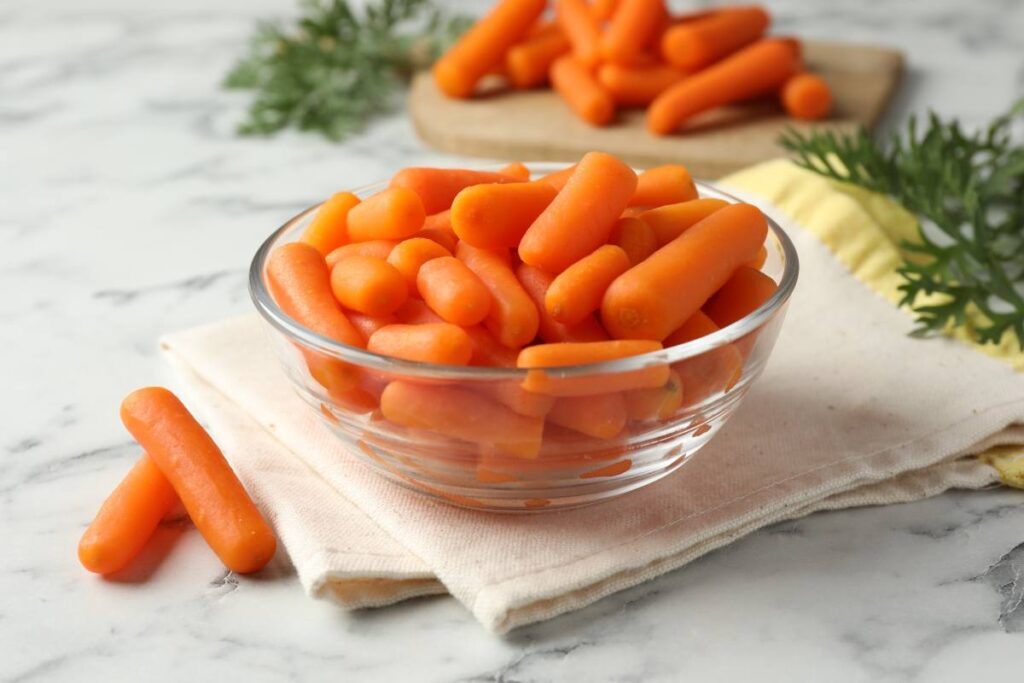
For example, some of the so-called mini carrots on the market are indeed specially bred small varieties, while others are simply regular carrots cut into smaller pieces and repackaged for sale. By changing the name and the packaging, the price can double.
The method to distinguish them is simple: pick up a carrot and look at the skin. If there are obvious cutting marks, it is a "fake" carrot cut from a regular carrot. If the price is too high, it is not recommended to buy it.

Industry insiders point out that the high price of fruit-type vegetables can be attributed to two main reasons.
First, their superior taste creates a market premium, and consumers are willing to pay more for "better taste."
Second, production costs are indeed higher. Seeds for high-quality varieties are expensive, and the cultivation process requires more precise control over water, fertilizer, temperature, and light. Furthermore, the yield per acre for some varieties is lower than that of ordinary vegetables.
However, with continuous advances in breeding technology, more and more new varieties can achieve stable yields while maintaining good taste, breaking the cycle of "delicious but low-yielding."
Many people believe that the smaller the vegetables, the tastier they are, but experts emphasize that this is a misconception, as vegetables’ flavor depends on ripeness at harvest, not size.
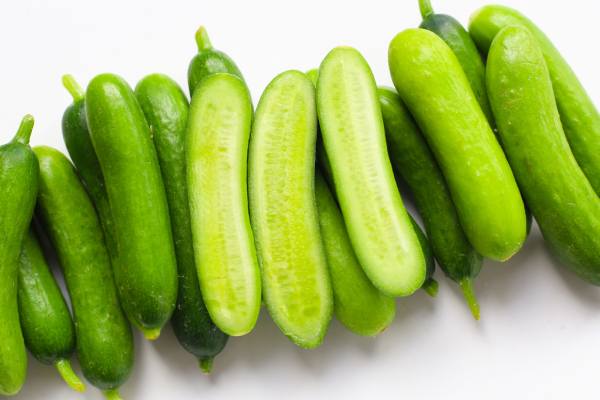
Take a small cucumber, about the thickness of a thumb, for example. Although it looks delicate and cute, it is not fully developed and lacks sufficient sugar and flavor compounds, making it taste bland and far from representing the proper texture of a cucumber.
Fruit-type veggies: cuter but not better
Regarding the claim that "fruit-type vegetables are more nutritious," experts clearly stated that fruit-type vegetables are almost identical to their ordinary counterparts in nutritional content, and in some respects, even inferior.
The most obvious difference is in dietary fiber. Fruit-type vegetables are marketed as "residue-free and crisp," which simply means they have less fiber, one of the most important nutritional benefits of vegetables.
Furthermore, some fruit-type vegetables that have had their bitterness removed also lose key beneficial components. For example, while fruit-type bitter melon loses its bitterness, beneficial substances such as momordicin and momordicosides are significantly reduced.
The key to cucumbers lies in the variety. A certain cucumber cultivar grown by the Institute of Vegetables and Flowers of the Chinese Academy of Agricultural Sciences has 5 to 8 times the content of small-molecule malonic acid in ordinary cucumbers, a component with a certain weight-loss effect.
For a good tomato-eating experience, ripeness and freshness are crucial. However, at the six-tenths ripe stage, the fruit has almost no flavor, a stark contrast with those at the nine-tenths or ten-tenths ripe stage, which are at their peak flavor. Freshly picked tomatoes differ from those that have been stored for two days in both taste and nutritional value.
Many people worry that fruits and vegetables have a high sugar content, which is detrimental to blood sugar control. However, in reality, the sugar content of fruits and vegetables generally sits between two and three percent, while the sugar content of fruits is usually between 15 percent and 20 percent or more.
The two are not even in the same league. More importantly, "sweet" does not equal "high in sugar." A person's perception of sweetness also depends on the sugar-acid ratio.
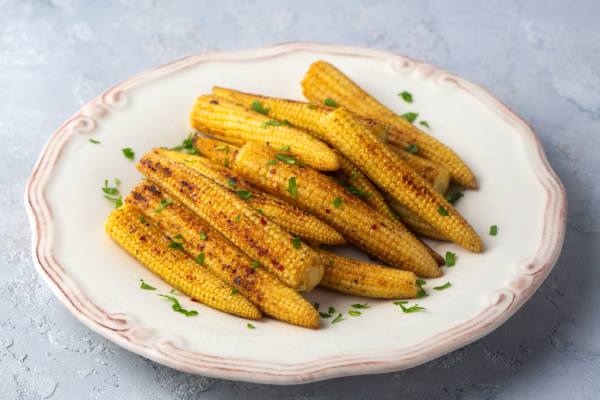
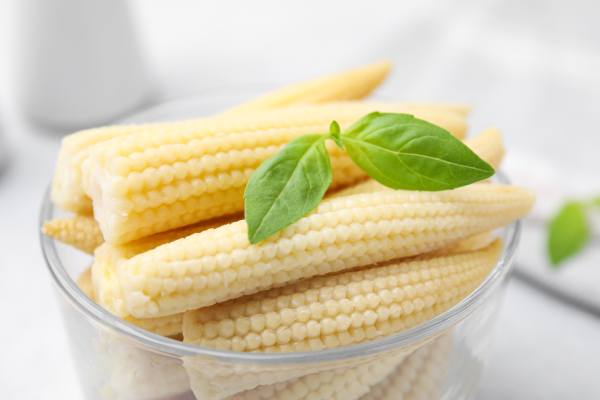
Taking corn as an example, regular glutinous corn contains less than one percent sugar, while sweet corn contains 4.5 percent. At first glance, sweet corn seems to have a much higher sugar content, but experts point out that the main component of glutinous corn is amylopectin, which is easily digested and absorbed by the body, resulting in a higher glycemic index after consumption.
Sweet corn, on the other hand, mainly contains sucrose and fructose, which, although sweet, raise blood sugar levels more slowly. Both types of corn affect blood sugar, but glycemic effect cannot be measured by sugar content alone.
There are many types of vegetables, each with its own nutritional focus.
Fruit-type vegetables make up a small percentage of the overall vegetable diet and cannot replace the comprehensive nutrition provided by traditional vegetables.
Chinese experts advise against blindly following trends and instead choosing vegetables based on individual needs, striving for a diverse and balanced diet.
However, fruit-type vegetables still have value. For those who don't usually like eating vegetables, they taste better and are more palatable. If this leads to eating more vegetables, then the money spent is worthwhile.
This story was originally published on ChinaFruitPortal.com
*All images are referential.
Related stories
Camposol kicks off its 2026/27 blueberry season in China and consolidates its Kai Péi Guǒ brand
Bubblegum pink blueberries are disrupting an increasingly price-pressured Chinese market