Are storytelling and digital search the new keys to driving produce sales? Marketing experts think so
 Add Fresh Fruit Portal to Google
Despite growing demand for premium offerings in the produce aisle, simply slapping a VIP tag on products may no longer be enough to secure a spot in the shopping cart.
As consumers cut back on attributes such as organic while continuing to pay more for local products, brands can turn provenance, convenience, and nutrition into tangible reasons to buy, marketing, communications, and consulting agency Curious Plot VP Katya Murray tells FreshFruitPortal.com.
The company's latest consumer research paints a new picture, one where shoppers still value premium attributes but increasingly make selective trade-offs. The report found that 31 percent of early adopters dropped organic produce to cut costs, while 54 percent said they would still pay more for locally grown offerings.
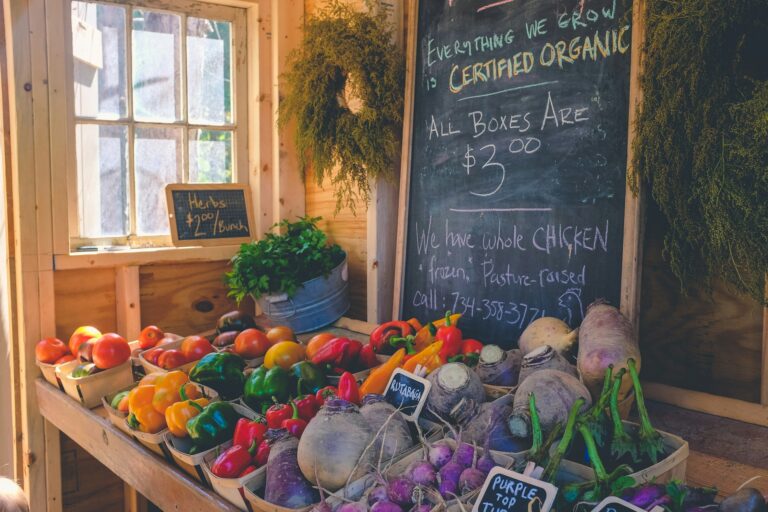
Image by Quilia via Unsplash
For the produce industry, Murray says this creates an opportunity for storytelling that connects with product attributes.
"Produce brands should make their value concrete: Tell shoppers where the product was grown, when it was harvested, how to use it, how to store it, and why it's worth choosing," she explained. “Local positioning is strongest when it combines provenance with eating quality, convenience, flavor, and a clear reason to pay more.”
Meeting consumers on the search bar
The marketing expert also noted that consumers increasingly turn to digital platforms for food information, even as basic knowledge gaps persist.
According to the agency, YouTube ranked as the top trusted source of credible food information among Gen X, millennials, and Gen Z respondents. However, 43 percent of surveyed consumers still confused basic ingredient facts.
Against this backdrop, Murray stresses that companies need to approach consumer education “more like publishers,” developing content that answers fundamental questions.
"A way to do this is to build a durable content library with short videos, recipe demonstrations, FAQs, expert-reviewed nutrition education, strong imagery, and practical search-friendly language,” the expert said.
That approach could become even more important as consumers incorporate artificial intelligence (AI) into food decisions. According to Curious Plot, 74 percent of early adopters already use it for meal planning and grocery lists, while 49 percent turn to the technology for product and ingredient research.
“Produce marketers need to make their fresh food/commodity items easy for AI systems to recognize, describe, and recommend,” Murray noted.
“The practical objective is simple: when a consumer asks AI for ‘high-fiber lunch ideas’ or ‘easy seasonal dinner recipes,’ the food brand should have a real chance of appearing in the answer.”
Produce’s place at the GLP-1 table

Image by Sweet Life via Unsplash
The unstoppable surge of GLP-1 medications has also heavily impacted consumer behavior, Curious Plot notes. But the drug’s influence goes beyond less food intake.
About 34 percent of users discontinue the treatment because of its high cost, the firm noted. Murray said these consumers are often focused on portions, nutrient density, protein, and reducing ultra-processed foods, an enduring behavior even after stopping treatment.
"Produce brands can focus on meal-building, no matter the portion size. Fresh fruits and veggies can serve multiple roles such as the base for a satisfying bowl, a crunchy snack, a flavorful side, a fresh smoothie, or a flexible ingredient that stretches a meal," she said.
The expert recommended pairing produce education with affordable recipes, storage guidance, and serving suggestions that can help consumers get more value from their purchases.
sweet-life
The firm’s research also suggests marketers can tap into health and transparency concepts more broadly, as 52 percent of respondents said they will pay more for functional health benefits.
While 58 percent of shoppers actively read labels, constantly shifting definitions around health claims could make straightforward fresh produce attributes more valuable to consumers.
Produce marketers should connect those benefits to practical eating occasions rather than relying solely on broad health or processing claims, which Murray cautioned against.
"The key for produce marketers is to show how an ingredient and its functional health benefit fit into real life while communicating benefits accurately and in approachable language consumers trust," she concluded.
*Images are referential via Unsplash.
Related stories
A new era of healthy living: GLP-1's ripple effect on consumers