Rabobank sees room for European tropical fruit production despite climate hurdles
 Add Fresh Fruit Portal to Google
Europe’s tropical fruit boom may be pushing orchards beyond the Mediterranean’s traditional growing belt.
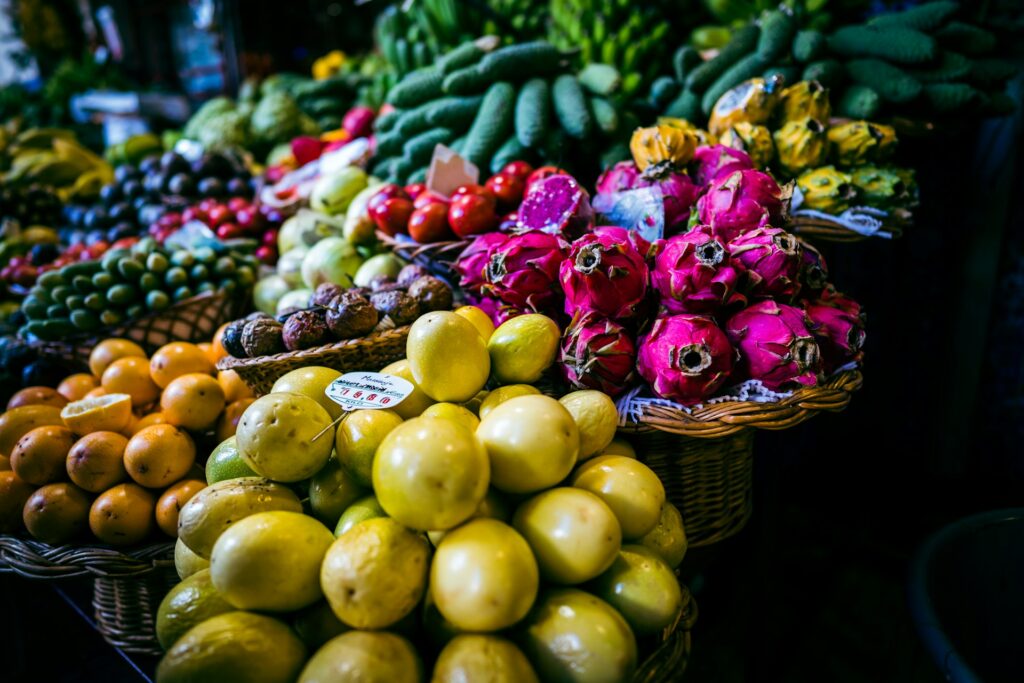
As demand for avocados, mangoes, passion fruit, and pitayas rises, Rabobank says climate pressures, water shortages, and production costs are prompting growers to explore new regions across Europe—even as those same constraints could limit the expansion.
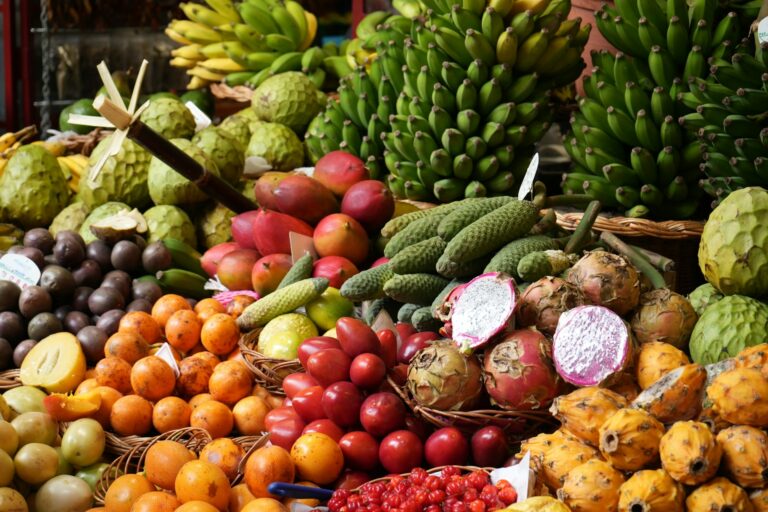
Image by Unsplash
Overall per capita consumption of fresh fruits and vegetables in the European Union has remained broadly flat at about 11.5 to 12.3 ounces per person per day over the past decade. Tropical fruit consumption, however, has continued to rise, driven mainly by avocados and mangoes, according to a September report by the bank’s RaboResearch division.
"Over the past three years, the average EU import unit value for all fresh fruits was around $0.62 per pound (€1.26/kg), compared with $1.25 per pound (€2.54/kg) for tropical fruits excluding bananas and pineapples,” the assessment notes.
Rabobank said the price difference could encourage European growers to move toward higher-value crops.
Climate pressures reshape tropical fruit supply
The continent currently relies on non-EU suppliers for about 90 percent of its tropical fruit. Rabobank said that dependence creates exposure to climate-related disruptions in key producing countries.
For example, Peru, the country bloc’s largest avocado supplier, has faced adverse weather conditions in recent years. The Andean country exported about 661,000 metric tons to the region in 2023.
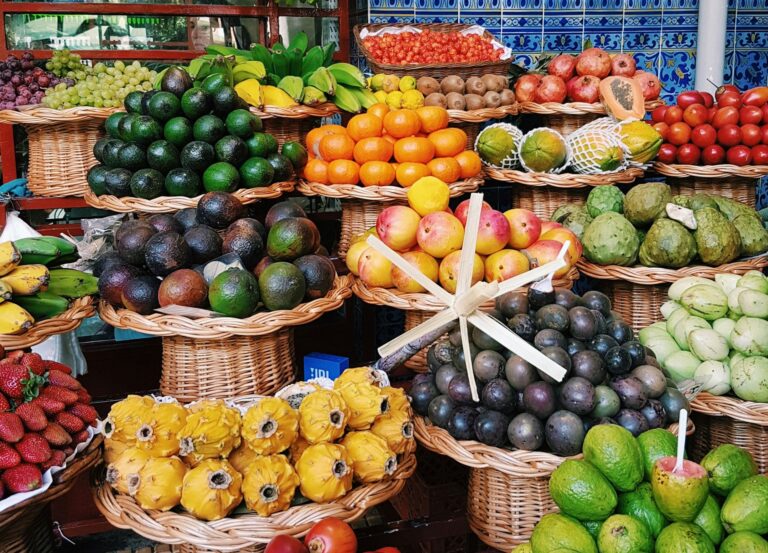
Image by Unsplash
"During the 2024 season, extreme temperatures contributed to average yield losses of around 40 percent across the Olmos region, one of Peru's largest avocado-producing areas," the document says.
Within Europe, commercial avocado and mango production remains concentrated in southern Spain, particularly Andalusia, Axarquía, and Granada, as well as Portugal’s Algarve region.
Land constraints and tighter water restrictions in these traditional production areas are encouraging growers to look toward areas such as Cádiz and Huelva in Spain and inland and northern parts of Portugal.
"More recently, production has started to expand beyond the Algarve into more northern and inland locations that were previously considered marginal because of low winter temperatures and frost risk," the report states.
Water and investment remain key constraints
Climate suitability alone does not guarantee that new production areas will become commercially viable, Rabobank warns.
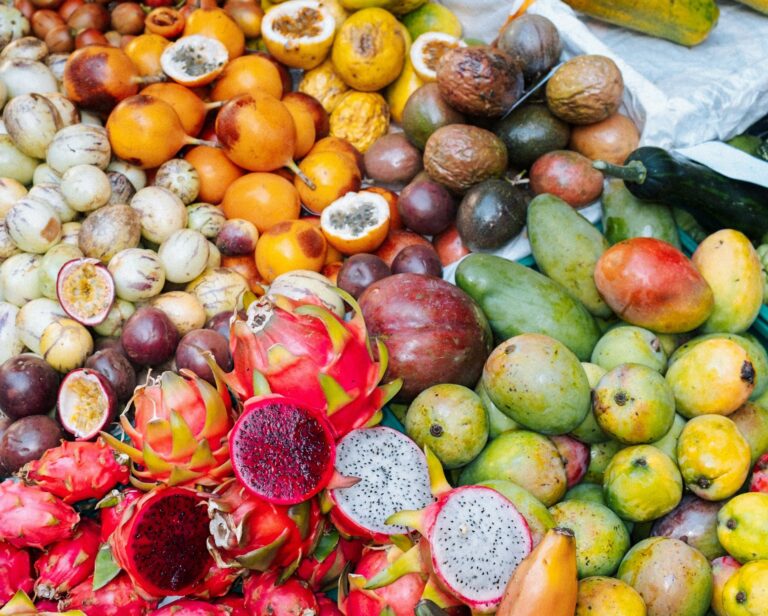
Image by Unsplash
Establishing new orchards requires substantial upfront investment, including several years before trees reach maturity, plus frost protection and automated packing infrastructure.
"The challenge is often the ability to aggregate sufficient production from numerous smallholders to justify these investments and support viable export-oriented value chains," Rabobank says.
Labor presents another challenge. Higher European wages make it difficult for local growers to compete with Latin American and African suppliers on volume and price. Instead, European production would need to bet on quality, freshness, and shorter supply chains to break into the global market.
Water availability could prove the most important constraint. Reliable irrigation infrastructure and water storage will be essential for commercial production in drought-prone Mediterranean regions, even where climate conditions become more favorable, according to Rabobank.
*Images are referential via Unsplash.
Related stories
Avocado set to become world's most traded tropical fruit by 2035