


Spring rains threaten flowering and fruit quality in Chile
 Add Fresh Fruit Portal to Google
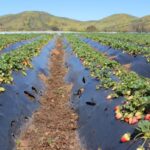
The rainfall forecast for central-southern Chile this week coincides with the start of spring in the Southern Hemisphere, a key stage in crop cultivation, marked by flowering and the development of small fruit.
Patricio González Colville, an agroclimatologist at the Research and Transfer Center in Irrigation and Agroclimatology (CITRA) at the University of Talca, warned against the negative effects of precipitation and wind on growing plants and trees.
“[These weather conditions] can damage the flowering, cause it to drop, and spoil the physiology and quality of the fruit,” stated the academic in a press release issued by the university.
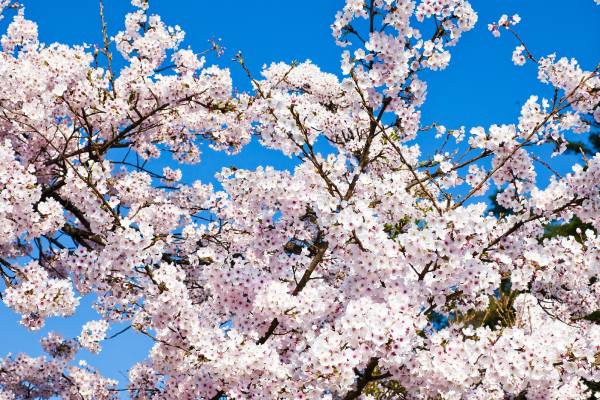
Image by Shutterstock
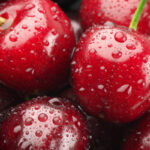
In the case of cherries, he explained that the combination of humidity due to rains in the months of October and November, followed by warm days, could increase the risk of fruit cracking.
“That excludes them from international markets, which are very strict regarding quality,” he noted.
For apple trees and vineyards, humid conditions combined with higher temperatures could favor the prevalence and spread of fungal diseases, including Botrytis and Venturia, which could also increase production costs due to the need for preventive and control applications.
Spring rains meet El Niño
Spring in the Southern Hemisphere began on September 22 and will be influenced by the development of El Niño, currently in the “strong” category.
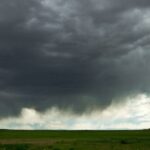
According to the academic, this scenario could favor greater weather variability, with episodes of intense rainfall over short periods and elevated temperatures.
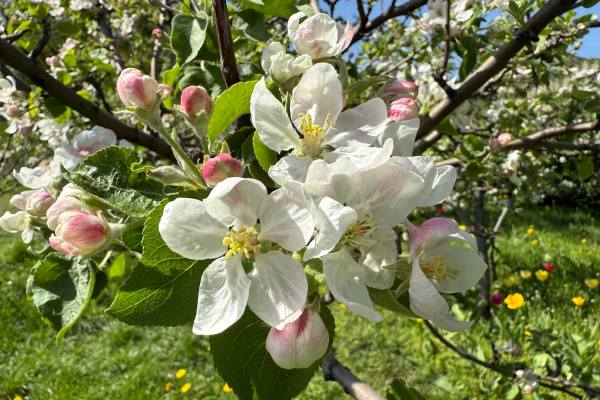
Image by Shutterstock
For the Maule Region, rainfall and winds between 12 and 25 miles per hour could bring an average of 20 to 25 millimeters in the next week. The system is also expected to be associated with a category 2 warm atmospheric river, a condition that would elevate the freezing-point threshold above 2,500 meters above sea level, increasing the risk of snowmelt.
Given the possibility of further rainfall episodes followed by higher spring temperatures, González urged producers to monitor weather developments closely over the coming weeks.
“Pay close attention to spring weather developments, which will be marked by the strong El Niño event that continues its positive evolution. In the following months, the phenological phases will generate fruit, which must be protected from the harmful combination of humidity and heat,” he concluded.
*All images are referential.
Related stories
Late spring rains, frosts, and extreme heat are threatening the Chilean fruit season