


Opinion | The true cost of the United States' 12.5 percent tariff

 Add Fresh Fruit Portal to Google
 By Luis Chadwick Vergara, President of Chilean producer and exporter San Clemente.
When the United States imposes a 12.5 percent tariff on Chilean produce exports, we are no longer facing a marginal adjustment, but a concrete threat to the competitiveness of our national fruit industry.
For an industry whose margins are usually between six and eight percent, a tariff of this magnitude can completely consume a season's profits. Moreover, its effects can extend far beyond producers and exporters, compromising regional employment, investment, and the industry’s extensive production chain.
The response must arrive before this tariff leads to a loss of competitiveness that reaches a point that is difficult to recover from.
Unlike other sectors, in agriculture a large part of the costs, such as labor, irrigation, energy, fertilizers, technology, packaging, cold storage, transport, and financing, are assumed long before the fruit reaches the market.
In a competitive international stage, producers impacted by tariffs face a difficult dilemma: absorbing the impact and reducing margins, or passing it on to the market and risking competitiveness. The latter can mean losing demand to other supplier countries.

The consequences of tariffs also spill over into investment. Lower margins reduce liquidity, increase financial pressure, and limit the resources available for productivity, technology, renovation, and production during upcoming seasons.
The spreading impact of tariffs
However, the effects don’t end in the balance sheets. Behind every exported box is a chain that involves workers, producers, transporters, packing plants, cold storage facilities, suppliers, and services. Therefore, protecting the competitiveness of the sector is also safeguarding regional employment, investment, and territorial development.
The response requires a long-term approach that involves strengthening Chile's commercial position, expanding destination markets, and generating financial conditions that allow the fruit industry to face this scenario without stopping its development.
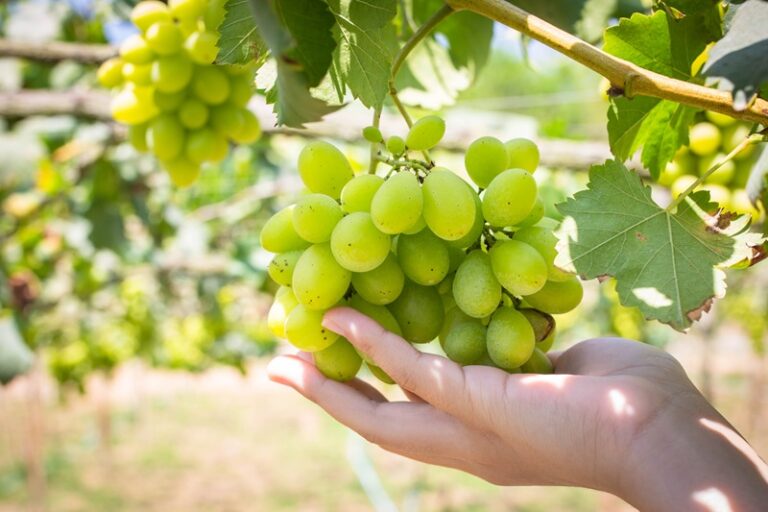
The discussion, however, is not just about how much it costs to export one more box. It is about how much of a key industry for the country we are willing to risk.
*Luis Chadwick's portrait courtesy of San Clemente | All other images are referential via Shutterstock and archive.
Related stories
Chile and the US in talks to improve export access amid latest tariffs
Chile asks USTR to exempt its fresh fruit imports from Section 301 tariffs