


US peach production drops 15 percent in 2026 amid freezes and processing headwinds
 Add Fresh Fruit Portal to Google
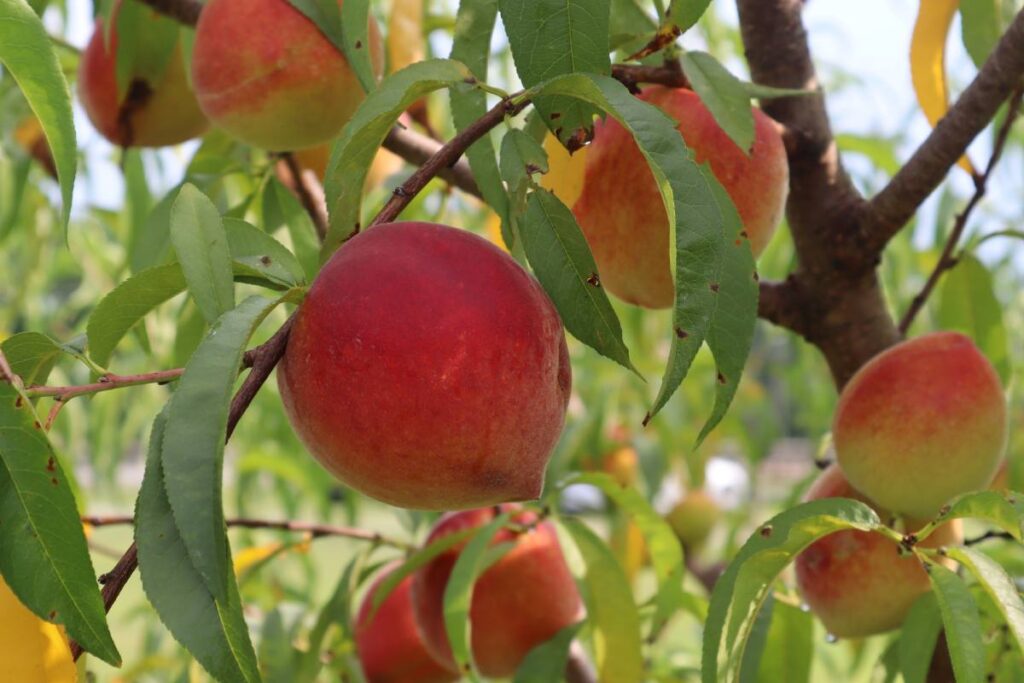
US fresh peach supplies are facing notable constraints this season, as total domestic production is projected to decline sharply.
According to August data by the US Department of Agriculture’s National Agricultural Statistics Service (NASS), total US peach output for 2026 is forecast at 604,200 tons, down 15 percent year on year. This downturn is driven by severe spring freezes across several key growing regions and significant contractions in California.

Image by Shutterstock
Production in Golden State, the country’s top peach-producing state, is forecast to drop across the freestone category (down nine percent) and clingstone (down 17 percent) compared to 2025. The former metric is the backbone of US fresh-market peach, so any contractions in the category reflect heavily on total domestic supplies, which are down 14 percent year-over-year.
Spring freezes batter eastern orchards
The downturn spans nearly the entire country, with six of the seven NASS-surveyed states anticipating year-over-year production drops. Widespread weather disruptions, particularly early warm spells followed by devastating spring freeze events, dealt major blows to orchard yields.
In Georgia, freeze damage hit early-blooming varieties in March, driving production down 52 percent to 17,000 tons. Mid-Atlantic orchards suffered even heavier losses following sub-freezing temperatures in late April: Pennsylvania’s peach crop plunged 82 percent, while New Jersey contracted by 62 percent. Meanwhile, spring freezes in Michigan lowered harvest volumes by 30 percent, and Colorado fell 20 percent after early warmth gave way to sudden cold.
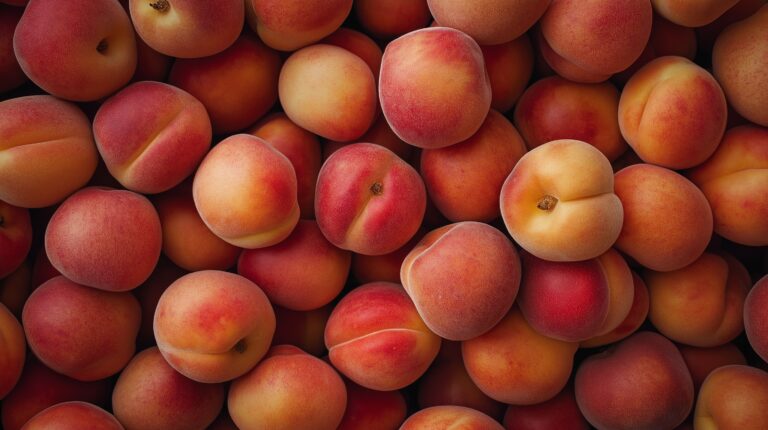
Image by Shutterstock
South Carolina, however, emerged as a remarkable outlier. Ranking second nationally behind California, the southern state is the only NASS-surveyed producing region forecast to post growth this year, with output projected to reach 93,000 tons—an 18 percent increase over 2025.
Orchards in the state largely avoided the freezes that devastated neighboring Georgia and the Mid-Atlantic. According to the USDA report, Clemson Agricultural Extension reported overall good crop conditions, where drier summer weather mitigated insect and disease pressure despite intense heat. The 93,000-ton projection marks South Carolina’s largest peach harvest in over a decade, reaching its highest volume since 2011.
California faces peach cannery closures and orchard removals
California’s overall production decline reflects challenges extending well beyond yield variations.
While freestone production dipped nine percent, the state’s clingstone sector saw delivered volume tumble 28 percent to 151,700 tons. Although fruit sizes were smaller and yields dropped six percent, the report identified the widespread removal of bearing acreage as the primary catalyst behind the decline.
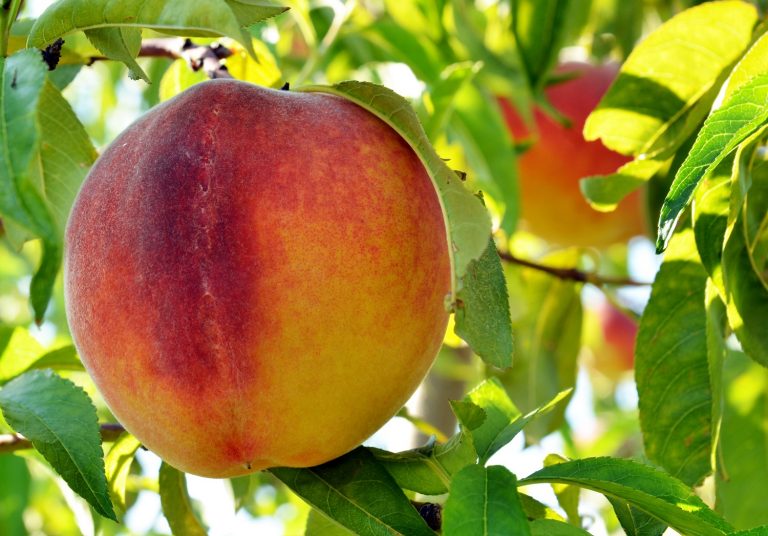
Image by Shutterstock
This wave of tree pulling follows acute turmoil in California’s processing industry triggered by the July 2025 bankruptcy of Del Monte Foods. The processing giant permanently shuttered its canning facilities in Modesto and Hughson, voiding multi-decade contracts and stranding around 70 growers without buyers for roughly 30 percent of the state’s processing volume.
While the state's sole remaining cannery, Pacific Coast Producers, stepped in with limited one-year agreements for roughly 24,000 tons, over 50,000 tons of fruit were left without a home, costing growers an estimated $550 million in revenue losses.
Facing a lack of processing infrastructure, growers have increasingly removed peach acreage, applying for tree-pull assistance programs or transitioning orchards to nut crops such as almonds, walnuts, and pistachios.
*All images are referential via Shutterstock.
Related stories
USDA approves up to $9M to help California peach growers stranded by Del Monte bankruptcy
California peach yields to drop 10 percent amid processing struggles