California peach yields to drop 10 percent amid processing struggles
 Add Fresh Fruit Portal to Google
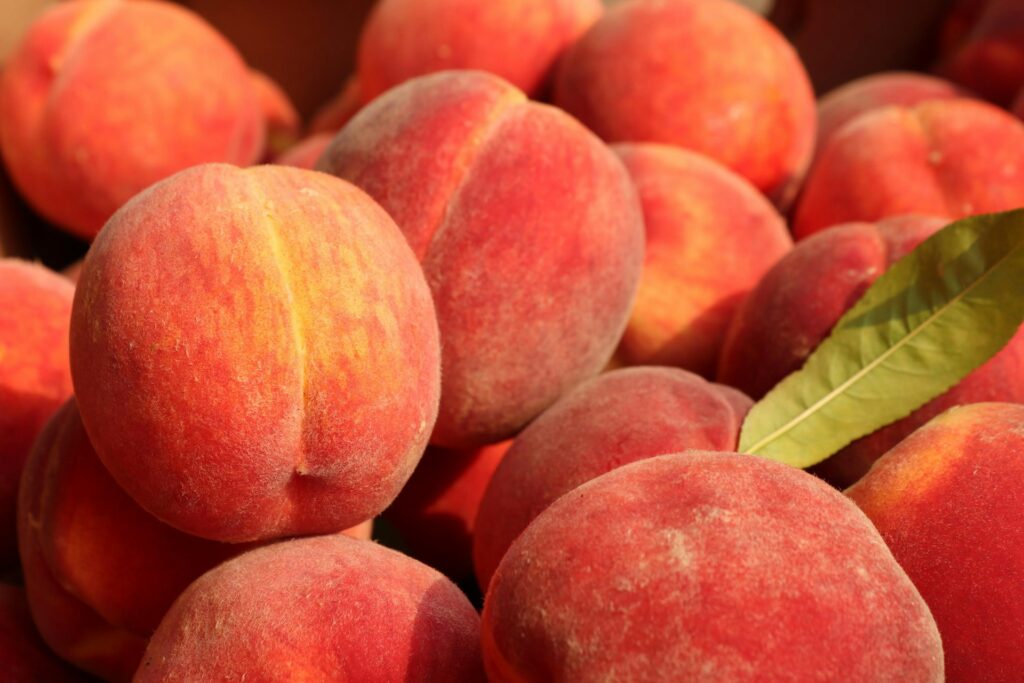
Golden State peach producers are looking at a 10 percent yield reduction for the 2025/26 cycle, the latest Economic Research Service (ERS) Fruit and Tree Nuts Outlook report by the United States Department of Agriculture (USDA) reveals.
The assessment puts peach production at 480,000 short tons, with warmer-than-average spring temperatures accelerating orchard development across major Central Valley growing regions.
“This reflects the broader trend of earlier maturing fruits and nuts across California orchards this year, not a larger crop,” the report said. “ERS expects cumulative weekly totals to fall behind last year’s pace, as harvest progresses and delivered weekly tonnage drops year over year in August”.
Processing faces a pitfall
Despite the early yields, the USDA report highlights that the processing sector is facing operational bottlenecks and changing consumer preferences, which could hinder industry recovery and growth.
The overall crop drop is heavily weighted toward clingstone varieties, which are predominantly grown for industrial canning.
In July of last year, Del Monte Foods, one of two major peach canning processors in the state, filed for bankruptcy, canceling multi-year contracts with clingstone growers and selling its assets. However, the firm’s largest fruit canning plant in Modesto was not purchased and was subsequently closed in April 2026.
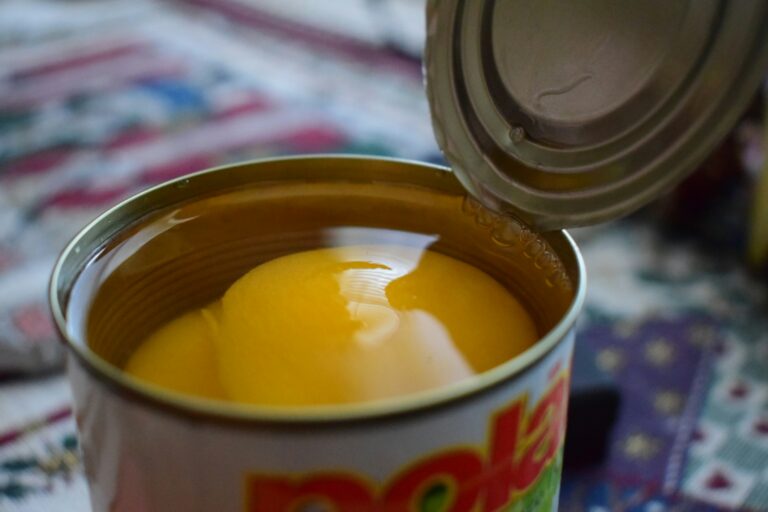
The facility processed roughly one-third of California’s clingstone peach volume, or about 70,000 tons.
“Canned peach demand has trended lower since the early 2000s, partly reflecting waning consumer demand. Canned peach per capita availability (a proxy for consumption) fell from an average of 4.5 pounds per person (2000/01–2002/03) to 2.2 pounds per person (2023/24–2025/26) on a product-weight basis,” the report states.
Production area also saw a decline. Data from the California League of Food Processors 2026 Block-by-Block Estimate cited in the report shows clingstone bearing acreage plummeted to 10,100 acres this season, down by 24 percent from 13,2503,150 acres from 2025.
This marks the largest single-year acreage reduction since the USDA tree diversion program in the 2005/06 season. Clingstone bearing acreage has dropped by more than half since 2005, when growers managed 27,000 bearing acres.
Fresh maintains momentum
In contrast to the processing sector, fresh-market peaches are exhibiting stronger stability. California freestone production is forecast at 310,000 short tons for 2026, accounting for 65 percent of the state's total peach output.
While the estimate is three percent below the bumper harvest of 2025, it remains 12 percent above the previous three-year average.
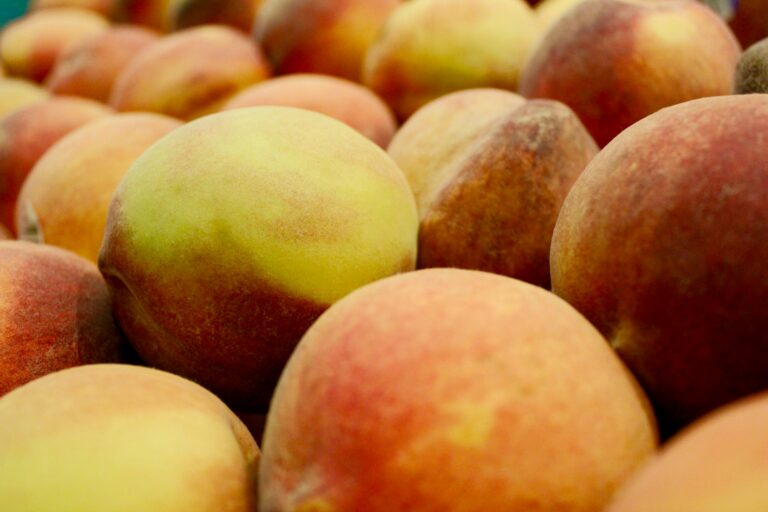
About three-quarters of California freestone peaches move directly to fresh-market retail channels, with the remaining balance allocated to freezing and drying operations.
*All images are referential via Unsplash.
Related stories
USDA approves up to $9M to help California peach growers stranded by Del Monte bankruptcy