







RIOblanco is readying to send nearly 4.4 thousand tons of high-quality mandarines to the U.S.
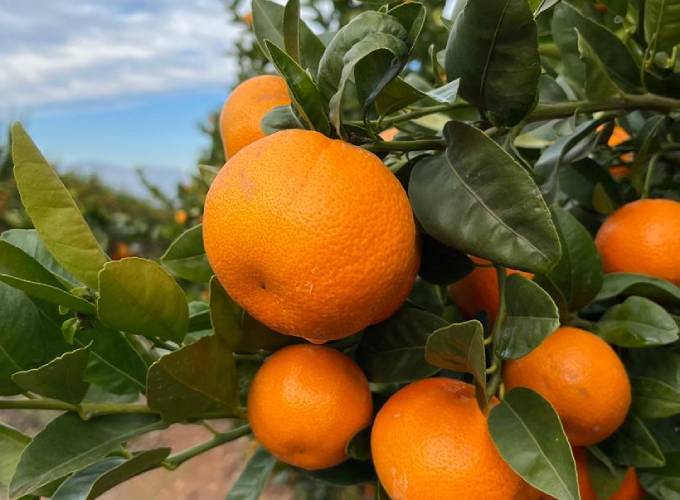



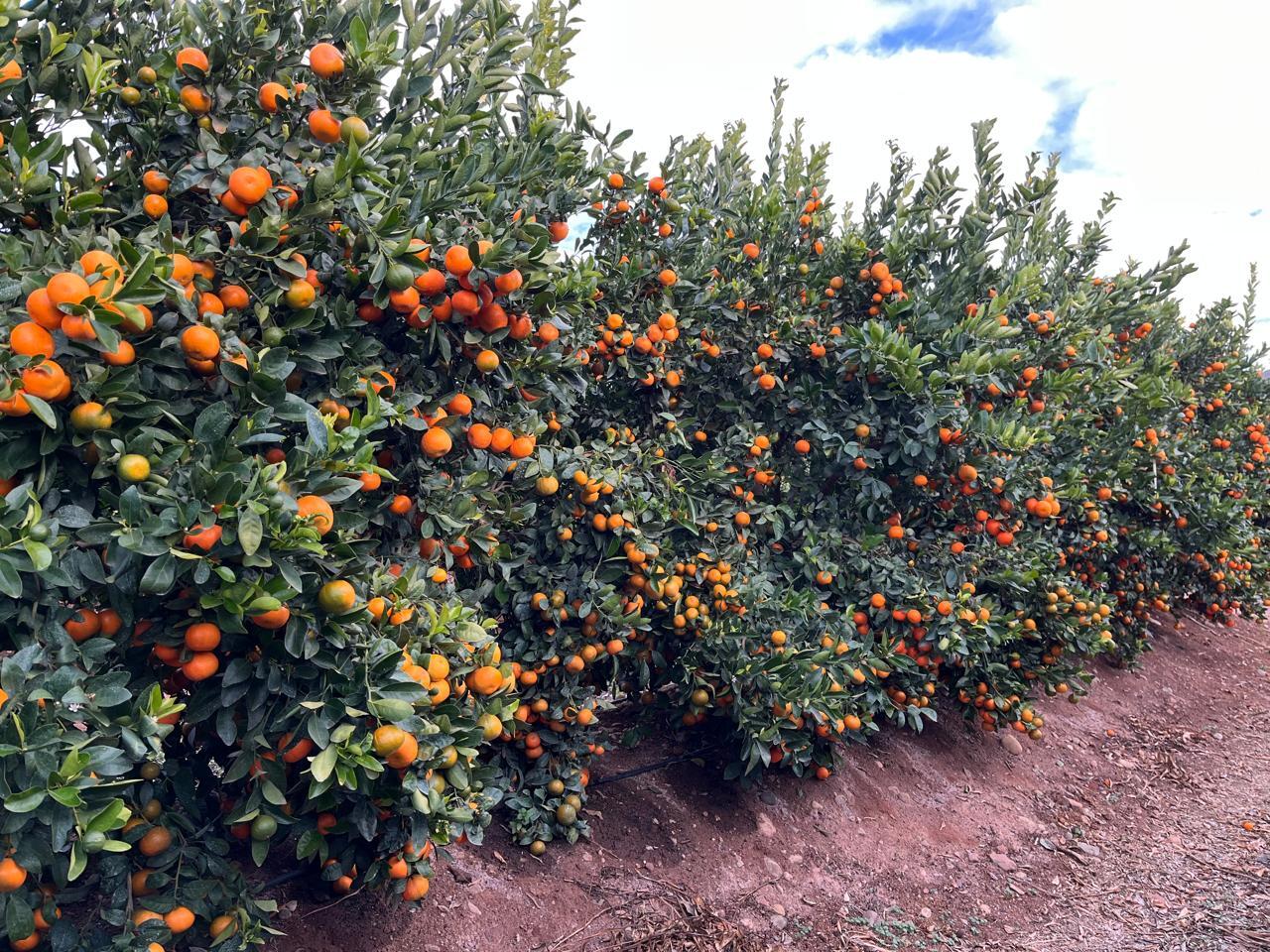
With almost 330 acres of productive land in Ovalle, northern Chile, local fresh produce grower and distributor RIOblanco started harvesting its W. Murcott mandarines at the end of July. The company expects to finish the process by the beginning of spring in the Southern hemisphere.


Christopher Dixon, Quality Manager at RIOblanco, took a break from his packed harvesting schedule to talk to FreshFruitPortal.com. He says this season they’re seeing really high-quality fruit, with Brix levels, color, and health way above last year’s crop—perfect for exporting to their largest market, the U.S.
What’s the harvest looking like?
We’re projecting to harvest almost 3,000 tons of fruit in Ovalle. In our second field, where we plant oranges, we’re finishing up now (first week of August).
How would you define the fruit’s quality and condition?
It’s a good season. We started with clementines, with which we had a lot of problems. Oranges have been quite good.
We had no clementine production last year, but in 2025, we went back to it. On the other hand, W. Murcott mandarines are usually an unproblematic variety—a fruit that comes with good conditions and high quality.
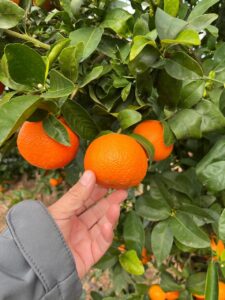
I’d say this year is even better than the 2024 crop, which is good news—it has a better color and Brix level, as it has a better soluble solids level than in previous years. This points to a better-tasting fruit.
 To what do you owe the fruit’s better quality and condition this year?
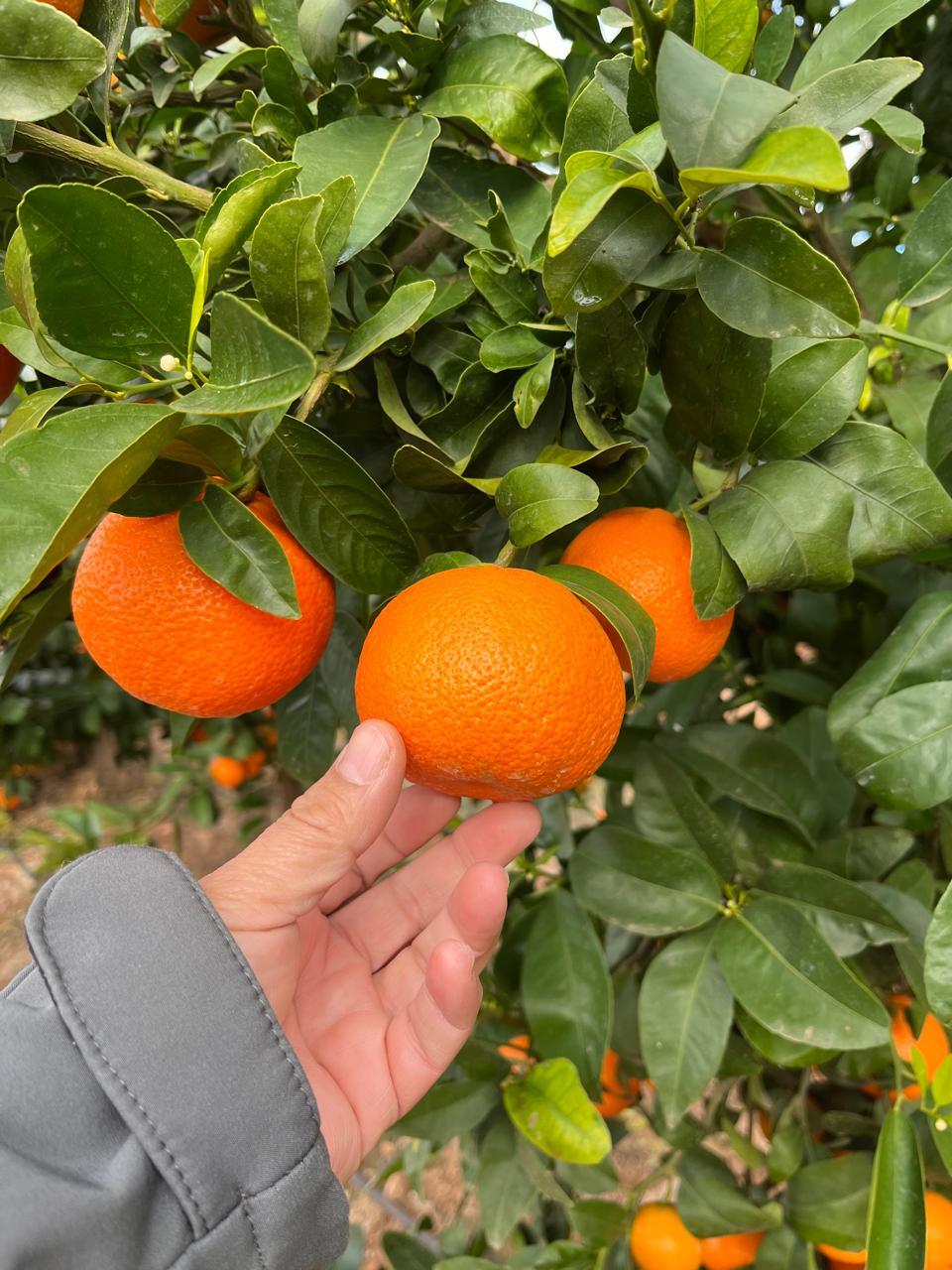
We try to manage the fruit properly, to control quantities so that the plant yields a somewhat interesting caliber. I think that the weather is undoubtedly something that allows us some variation.
How do you see this season?
Somehow, there are more W. Murcott mandarins in the market each year. For us, it’s very important to compete in a dense market, as it pushes us to keep a high standard in our product. I think this year we’re doing well in that regard.
Where are you sending RIOblanco’s W. Murcott mandarins?
To the U.S., where we’re keeping a keen eye on the condition of the fruit upon arrival. Because there’s a lot of it and there’s a lot of competition. They have fruit coming from other countries, like South Africa, so it’s important to hit the market with a good product.
When our fruit arrives in the U.S., it’s usually repackaged in nets, so we’re constantly monitoring and controlling arrivals and other processes.
Why has RIOblanco chosen the U.S. as the main market for its fruit?
Americans like W. Murcott mandarins, and prices in the U.S. are very interesting. The 10 percent tariff on Chilean imports has slightly changed things, but the United States continues to be an economically interesting market for us.
We also send table grapes to the U.S. We have a years-long relationship with our clients there.
What type of technologies and processes do you use at your packing facilities?
In terms of processes, we have the Unitec line with an electronic ID, which allows us to be a lot more accurate when it comes to things like caliber, color definition, and defect selection.
Things like wax coatings and the drying and sanitizing of the machines are key. Basically, it just has to be a process as clean as possible.
How have you managed to position W. Murcott mandarins as an attractive product for international consumers, more specifically for the American consumer?
Everyone wants a good product, with good flavor. We need to meet all of our clients’ standards, so we don’t have any problems upon arrival. So, first of all, there’s a commitment to quality.
We obviously meet program and quantity requirements, so that our clients can forecast and make their sales plans with the correct amount of fruit at the port.
What is the volume forecast for W. Murcott mandarins?
In terms of volume, it should be something similar to last season, with around 4.4 thousand tons.
We think that if you have a good product, there’s always going to be someone willing to buy it and do business.
Today, the industry does not allow any errors, and the work we do aims at minimizing any type of mistake in the packing, harvesting, and shipping process. We want everything to go smoothly, so that we have a good product that satisfies our clients.
*Photos courtesy of RIOblanco
Update: August 11, 2025, at 10:39amEST—This story has been updated to reflect an error in unit conversion from 4.4 million tons to 4.4 thousand.
Related stories
Chilean citrus exports to increase 11% this season as promotions in U.S. grow
Mandarin bearing acreage increases in California
Mandarin orange volume projected to drop in Chile, a top US supplier






Subscribe to our newsletter