


Opinion | When denial costs millions: The true HLB risk to Latin American citrus
 Add Fresh Fruit Portal to Google
 by Giorgio Peirano Figueroa, International Agribusiness Consultant
Out of personal taste—and perhaps a professional habit—I can no longer avoid it: my eyes always seek out citrus.
The health of those groves often tells more about the local economy than any financial report, and it is a silent indicator of public policy, investment, water management, and strategic vision.
Amid the diversity of problems affecting citrus, there is a lurking danger cloaked in shared and uncomfortable silence. In several Latin American boardrooms, it's barely mentioned in passing, as if ignoring it would keep it away.
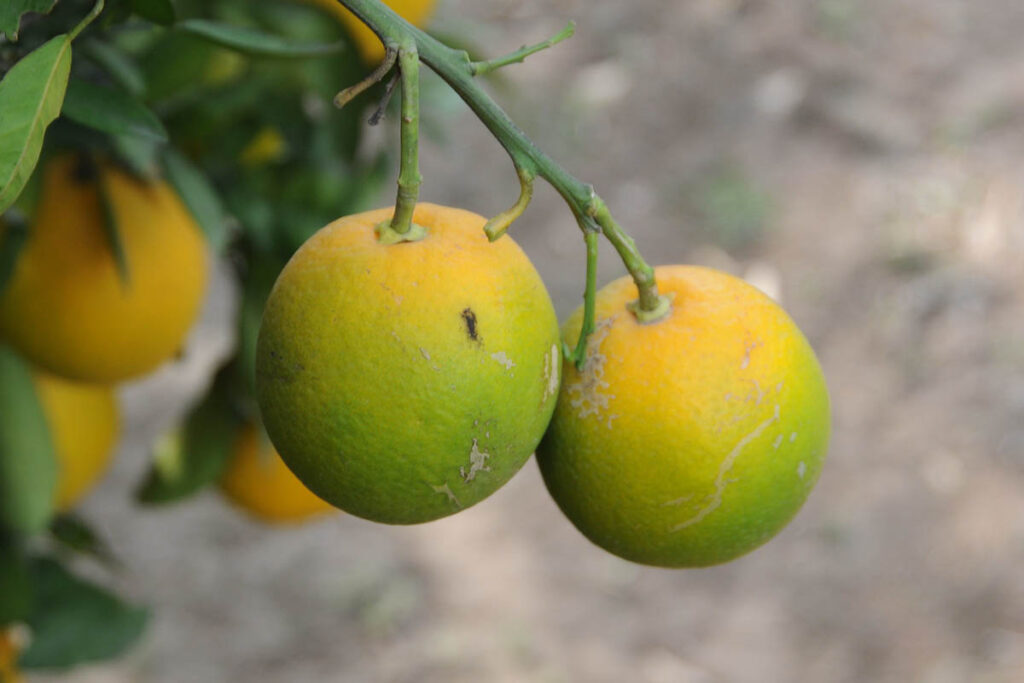
That risk is HLB, known globally as Huanglongbing.
To understand the magnitude of the challenge, one only needs to observe what happened in a territory that was once synonymous with first-class citrus.
Florida reached figures that seemed immovable—at its peak, it produced 240 million boxes of oranges and more than 50 million of grapefruit. Iconic brands like Tropicana and Florida’s Natural were born on that productive muscle, and the industry not only generated jobs and exports but also represented a state identity.
However, that identity is now in ruins.
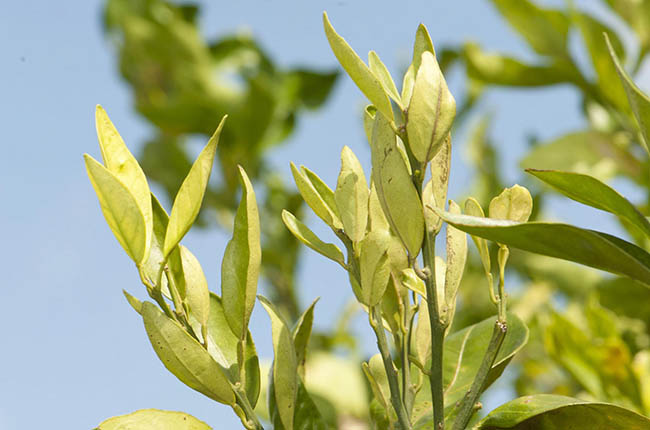
The plague arrived in Florida without eliciting the necessary response. Production plummeted to barely 11 million boxes of oranges and 1.2 million boxes of grapefruit. It is not a crisis—it's an implosion.
And the blows continue—in early 2025. Alico Inc., a historic producer in the area, announced it would abandon the citrus business to focus on real estate projects, a signal that should shake any agricultural investor.
The damage was productive and economic, but also cultural. No technology has managed to reverse that deterioration to this day.
The false security of the South
The region already lives with HLB. Brazil, Mexico, Colombia, and some areas of Argentina have been hit. Peru has detected outbreaks and eradicated them thanks to extremely demanding efforts. Chile remains free of the vector, so far.
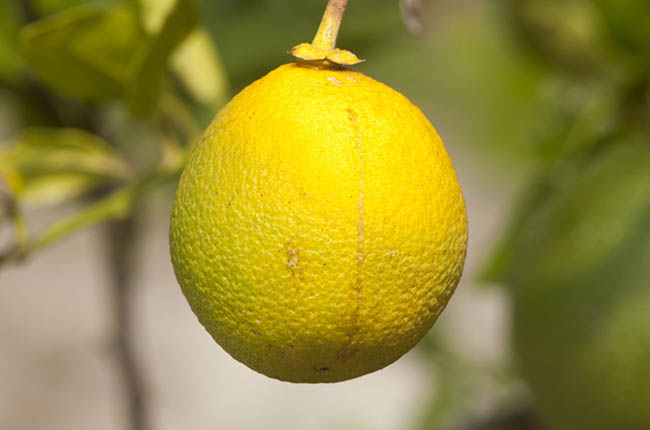
The argument that the impact would not be as devastating as in Florida is frequently made, as Mediterranean weather conditions could partially slow its HLB expansion.
But even if that's true, can an industry that already operates with narrow margins absorb a 20 percent drop in yield? Even a 10 percent drop could structurally alter profitability.
To size up the challenge, one only needs to review the necessary investment levels.
In 2025 alone, Florida allocated more than $100 million to the Citrus Research and Field Trial Foundation, while the Citrus Health Response program received $8.5 million for varietal development, cleaning, and propagation of resistant plant material.
California's preventive system costs up to $40 million annually, and the state invests around $7 million in research. At the federal level, the US Department of Agriculture committed approximately $23 million for HLB projects. No Latin American country today has the resources to sustain such a response.
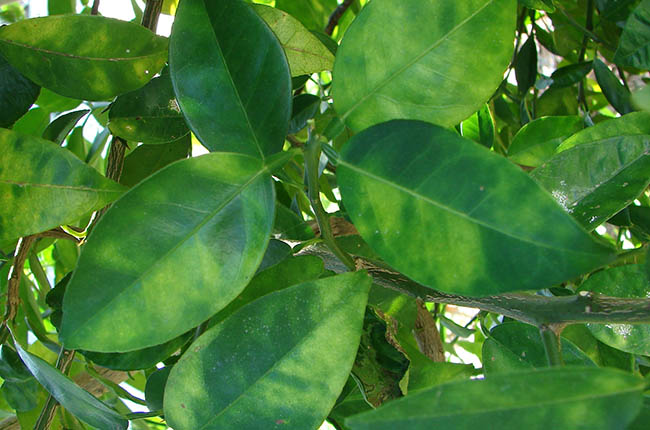
The responsibility is not exclusive to the State. The Latin American citrus industry needs collective structures for surveillance, traceability, and rapid response, as it's not about regulatory compliance but about creating a system capable of acting within days, not months.
HLB lessons learned
During the 2025 International Citrus Nursery Congress (ISCN), two American specialists recounted with evident emotion how HLB destroyed families, communities, and ways of life that had taken generations to consolidate. They were not reports or technical presentations—they were stories of loss.
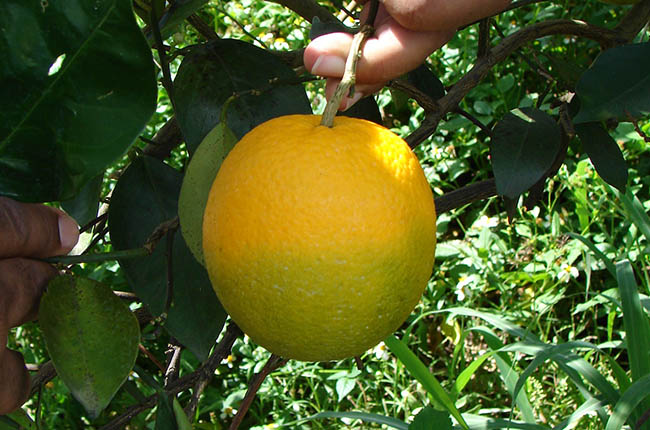
Florida did not fall due to a lack of technology. It fell due to overconfidence. Latin America still has time to avoid that outcome, but that window will not remain open indefinitely. If the signs are ignored, the region could end up wondering how an invisible organism destroyed in a few years what took decades to build.
HLB is not just a biological threat. It is an evaluation of governance, leadership, and long-term vision. Acting now does not guarantee success. Not acting guarantees failure.
*All images courtesy of the USDA
Related stories
Opinion | 50% U.S. Tariff: A test of resilience for Brazilian horticulture
Opinion | Yes, it rained in California. Here’s why that doesn’t matter.