Turkish mandarin season sees strong yields, stable demand
 Add Fresh Fruit Portal to Google
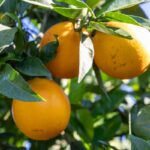
Türkiye’s mandarin season is anything but sour this year, with the sector reporting a bumper crop, improved flavor, and early demand ripening at just the right time.
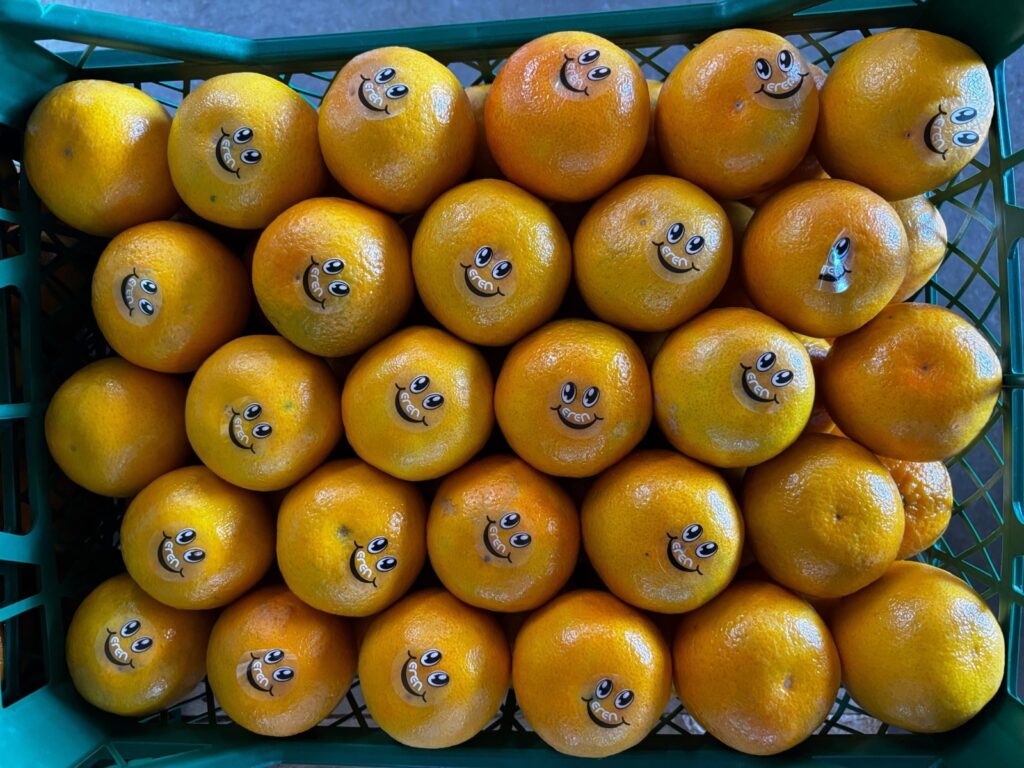
According to export company EREN, favorable weather and smooth flowering boosted yields by 40 to 50 percent, and the fruit’s sweetness, aroma, and peelability are winning over importers across Europe and the Middle East.
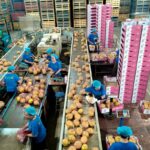
“Quality is consistent, and pack-out rates are high,” Marketing Department executive Ömer Faruk tells FreshFruitPortal.com. “Demand from Europe started early and continues at a stable pace. We see this as one of the most balanced seasons in terms of yield, quality, and timing, which helps both growers and exporters plan efficiently.”
Juicy gains: Weather boosts quality and output
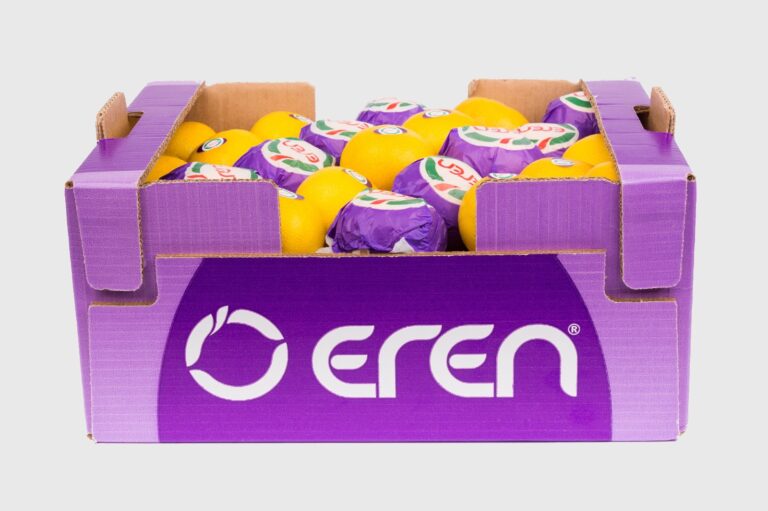
Faruk attributes the increase in yield and consistent quality to a mild spring and early arrival of summer. Additionally, the company reports that pest pressures were “minimal.”
“The taste is sweeter and more aromatic, and the skin is smoother and easier to peel. Low pest pressure has also improved pack-out rates. Minor size variation exists between regions, but the overall export quality is very uniform,” he explains.
EREN’s close coordination with growers has helped maintain harvest timing and consistency across all shipments, Faruk adds.
Satsuma mandarins—one of Türkiye’s key early-season exports—continue to be favored in markets like the EU, Eastern Europe, the Balkans, and the Middle East.
“Buyers focus more on sweetness, easy peeling, and natural color,” the executive says. “Turkish mandarins, especially Satsuma, meet these expectations without heavy post-harvest treatments.”
Faruk adds that lower expectations for the Spanish mandarin season this year have also increased interest in Turkish fruit.
In response to currency shifts and market dynamics, prices opened approximately 35 to 40 percent lower compared to last season. However, Faruk adds to this supported early demand and competitive positioning: “Higher yields allowed growers to maintain profitability despite lower unit prices.”
Fast fruit: Leveraging logistics in a competitive environment

Despite ongoing global shipping disruptions, EREN reports minimal delays for Turkish citrus exports thanks to the country’s proximity to target markets.“Shipments from Mersin and İskenderun ports have moved smoothly with only small delays early in the season,” Faruk says.
The company also credits its in-house logistics system and partner network for helping avoid bottlenecks. “The short transit time to Europe allows more flexible shipment planning and better fruit condition on arrival. These factors continue to support buyer confidence in Turkish citrus.”
As of mid-October, early varieties such as Primosol and Dobashi Beni have begun shipping, with Satsumas expected to follow soon. Later-season mandarins, including W. Murcott and Nova, are forecast to extend exports into spring.
“The quality of W. Murcott is very good this year, and while yields differ slightly between regions, there are no major shortages,” Faruk explains. “Market prices are expected to remain stable, supported by healthy supply levels and balanced demand.”
Looking ahead, EREN’s strategy focuses on maintaining a reliable supply and consistent product quality. “With organized planning, experienced growers, and consistent field management, the Turkish mandarin sector, led by reliable exporters like EREN, is moving forward confidently. All signs point to a very successful and promising season ahead.”
*All photos courtesy of Ömer Faruk | EREN.