


California pear producers seek USTR trade relief against surge of cheap Argentine imports
 Add Fresh Fruit Portal to Google
California pear farmers are requesting support from the office of the US Trade Representative (USTR) as a surge of low-priced pear imports from Argentina continues to undercut the domestic harvest. Sector representatives say that the situation is a “major driver of the decline of California’s historic pear industry.”
Chris Zanobini, Executive Director of the California Pear Advisory Board (CPAB), noted that Argentine exports of fresh pears to the US have increased by 125 percent since 2016, competing directly with local varieties such as Bartlett and Bosc, particularly in the early season.
“This flood of cheap imports has a devastating impact on California growers,” Zanobini said.
He added that retailers often feature the low-priced imports over fresh pears, and data indicate the discount is not being passed on to shoppers.
The California pear industry is asking the USTR to intervene
To face this market challenge, Zanobini told FreshFruitPortal.com that stakeholders in the California pear industry have had several meetings with the USTR to explore solutions to manage import pressures.
James Christie, president of market access consultancy agency Bryant Christie Inc., which represents the California pear industry, emphasized that tariffs are not a silver bullet for the problem.
In his opinion, solutions such as import quotas or clearly defined market windows could provide California pear producers with some reprieve. Zanobini agrees, saying these actions would be the “optimal” way to address a problem he said has been affecting the industry for over 10 years.
According to the CPAB, the California pear industry is composed of a shrinking number of small, multi-generational family farms that are currently struggling with the decline in planted acreage.
A quality issue
Argentina's supplies are counter-seasonal to the Golden State’s, with over 90 percent of the Latin American fruit usually hitting US shelves during the winter months.
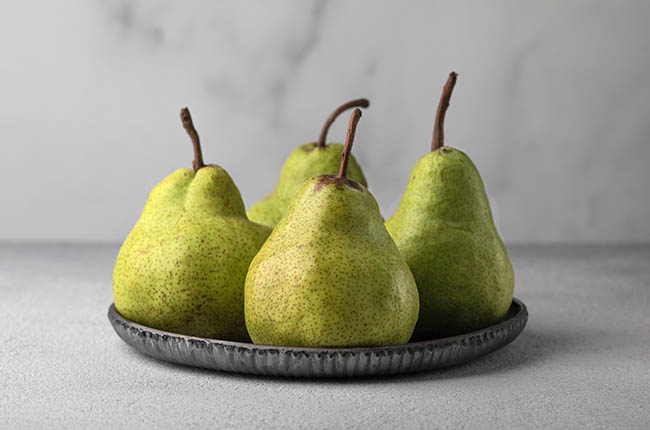
This production schedule presents no problems for local growers, but Zanobini explains that Argentine exporters are artificially extending their market window through April and May, putting them in direct competition with the newly harvested fruit from California in early July.
Argentine producers manage to do this, the executive said, by shipping pears that have been in storage for up to six months. And it’s not a small proportion either, as this fruit accounts for around 70 percent of the total volume destined for the US.
Zanobini said many Argentine shippers use 1-MCP, an anti-ripening agent that extends storage life but can hinder consumer experience. The CPAB executive told FreshFruitPortal.com that California made a commitment several years ago not to use 1-MCP, as it is detrimental to the eating quality of pears.
A “circumstantial situation”
Further south, the Argentine pear industry doesn’t believe this is a long-standing problem but rather a specific issue arising from a combination of factors.
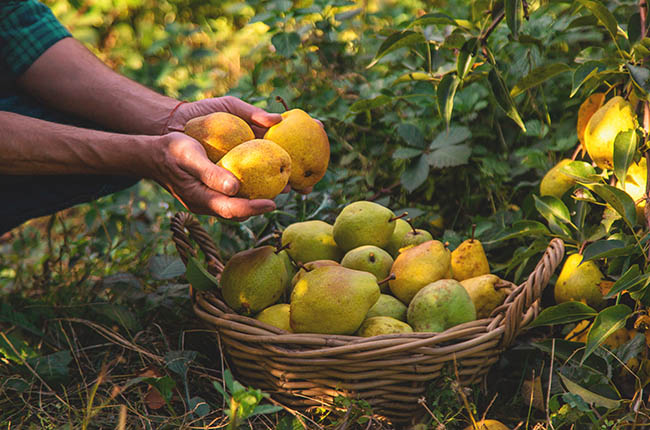
“We’ve been exporting to the US for a long time,” said Nicolás Sánchez, President of the Argentine Integrated Chamber of Fruit Producers (CAFI), to FreshFruitPortal.com. “I think it was a circumstantial situation related to a small US crop versus the big volumes produced down here.”
There’s currently no timeline for when the USTR might issue a report on this situation, but Zanobini is confident that the industry will receive the much-needed support of the US government.
“California pear growers are just one of many US farmers suffering from recent trade negotiations,” the executive said. “While the Trump Administration provides the Argentinian government with a $40 billion bailout, we believe there is room to negotiate a fair deal that prevents Argentine imports from undercutting US farmers in their own market.”
*All images are referential
Related stories
US pear crop rebounds from 2024 lows, but long-term decline persists
USA Pears projects an abundant 2025 harvest, with yields 60 percent above last year's