








No news is good news: Florida and Georgia growers successfully weathered winter cold snap and report no crop damage
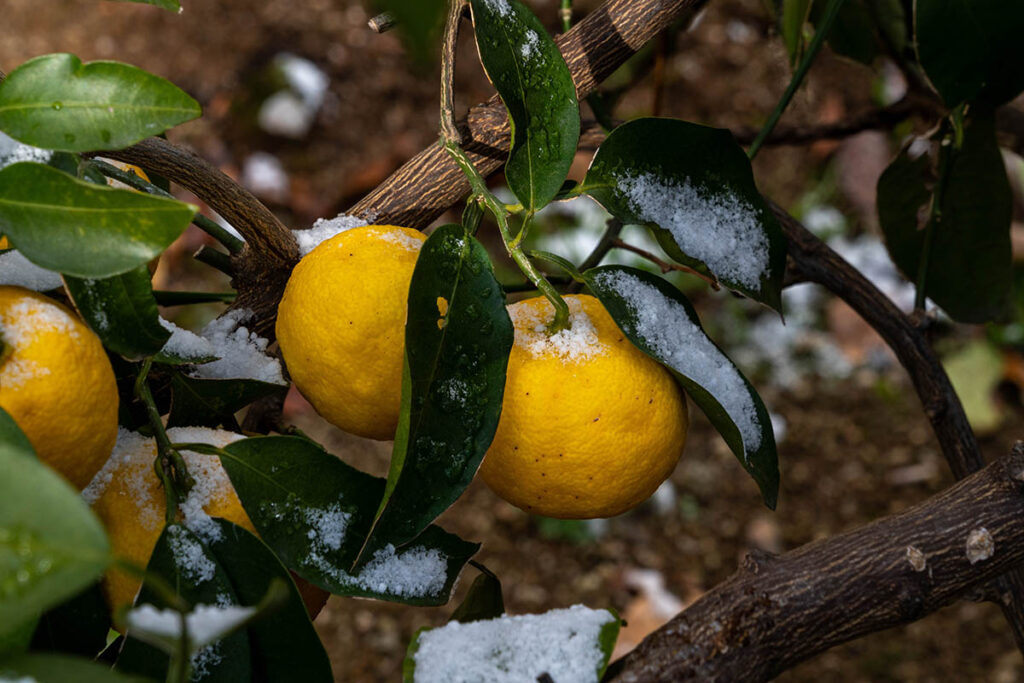



Snow in Florida was, not too long ago, an idea more fitting for a joke or a snappy comeback. However, now it has unfortunately become more of a reality in the Sunshine State.


A cold snap originated in the gulf and hit the East Coast of the United States this past weekend, bringing wind and freezing temperatures all the way down to northern Florida. According to The Weather Channel, moisture along the Atlantic coast created a perfect storm that brought rain and snow.
Timely weather advisories were put in place, and growers in the south of the East Coast got to work—and it paid off.
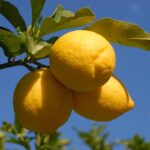
All good with South Georgia citrus
Lindy Savelle, executive director and founding member of the Georgia Citrus Growers Association, reports no freeze damage from the cold snap among the organization’s membership.
“Not many of our growers here had snow—It just kind of dusted here and there. It primarily just got the people on the upper end of the state,” she said.
The state is in the final stages of harvesting mandarin and early-season varieties, so, with little fruit left on the trees, the executive explained that fruit drop is not a main concern. But swinging temperatures definitely are.
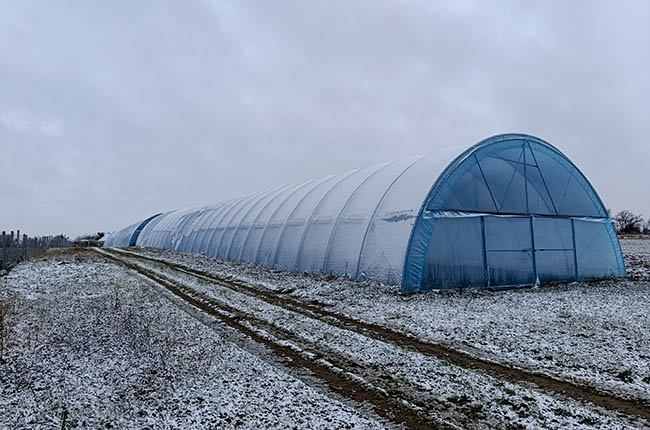
Going from warm to cold and back again, she says, makes it difficult for trees to acclimate and, for lack of a better word, they get confused.
“They don't know what's going on,” Savelle continued. “We're going to have 70 [degrees Fahrenheit] here on our farm on Saturday, and right now it's 46, but there was a heavy frost this morning. So, is it winter? Is it spring?”
The industry standard to freeze-protect citrus trees before a cold snap is to use microjets to continuously spray water on the plants (about 14 gallons per hour per tree, according to Savelle) to create a biothermal buffer. This ice layer acts as an igloo, keeping temperatures right at the freezing point.
“It's very counterintuitive, but they do it here in Georgia with blueberries and other products as well. It works,” she said.
Bigger trees can handle the cold more easily, Savelle noted, but growers should be particularly careful with saplings as they could get burned during cold snaps. The executive and her husband, Perry, are specialists in the matter, as their South Georgia estate, JoNina Farm, features a USDA-certified citrus tree nursery.
With spring right around the corner, Savelle warned there’s still work to be done, as a late cold snap or frost could result in stunted tree growth and damaged blooms, leading to smaller yields in the new season.
“Mother Nature can work for you or work against you,” she concluded. “It's just, you know—that's just farming.”
The cold snap couldn't take Florida strawberries
A bit further south, Sunshine State strawberry growers are also celebrating, as Kenneth Parker, executive director of the Florida Strawberry Growers Association, reports no snowfall in west central Florida during the cold snap, where the industry is located.
“The growers lost some sleep and had to take measures for frost/freeze protection, but the strawberries came through perfectly,” he said.
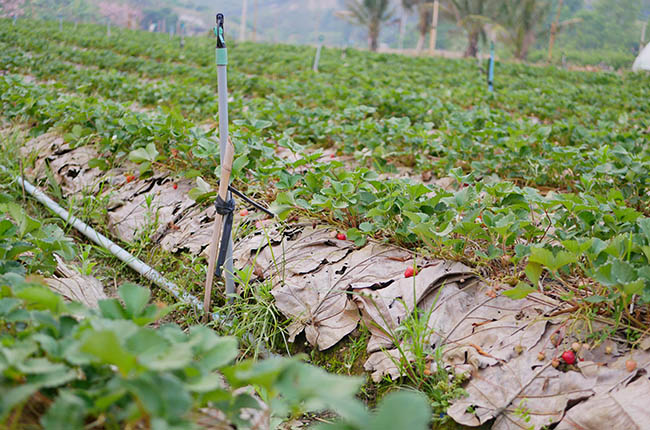
The executive also noted cooler temperatures are “very good for increasing flavor and sweetness,” and the crop is used to thermal variations, making it sturdy in cold weather.
Parker explained that in the face of a cold snap, strawberry fields benefit from a technique similar to citrus’s microjet sprinklers. The main difference is that in the former case, water is sprayed overhead to keep temperatures steady at 32 degrees Fahrenheit.
“Using overhead irrigation in citrus would be detrimental in a freeze event because the ice load would break the tree limbs,” the executive notes.
The weather forecast for central Florida indicates a return to warm temperatures, with thermometers expected to reach 79 degrees Fahrenheit by the end of the week, and no significant showers until next Tuesday. As for South Georgia, temperatures will remain mild and climb into the upper sixties by Friday.
As the storm moves farther north, both states seem to be in the clear from freezing weather events in the foreseeable future.
*All images are referential
Related stories
Climate change forces Chile's cherry industry to rethink how it grows its star crop
Bananas on the brink: Weather, disease test US supply
Opinion | Yes, it rained in California. Here’s why that doesn’t matter.








Subscribe to our newsletter