Chilean kiwifruit industry projects bigger volumes in 2026 and anticipates structural growth toward 2030
 Add Fresh Fruit Portal to Google
Written and reported by Macarena Bravo | Lee esta noticia en Español
The Chilean kiwi production sector is preparing for a new season amid high-volume expectations and new challenges.
Carlos Cruzat, president of industry body Frutas de Chile’s Kiwifruit Committee, confirmed that sector projections point to a nearly 20 percent year-on-year production increase.
The driver behind growth, he says, is a multifactorial equation that includes the recovery of areas affected by frosts during the 2023-24 season, which reduced yields in 2025.
"This year, those orchards are returning to normal production levels," Cruzat noted.
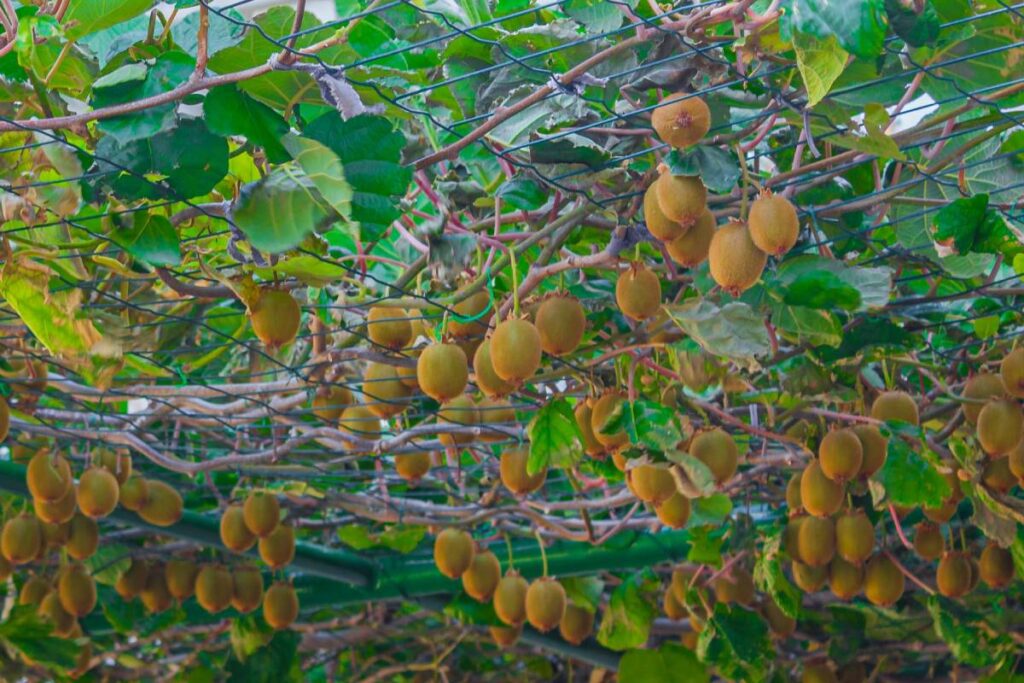
Additionally, new kiwfruit plantations established between 2020 and 2025 are finally entering their productive phase, totaling nearly 5,000 additional acres.
Cruzat said these orchards are increasingly contributing sizable volumes of kiwifruit to the market. Furthermore, the last pruning left more buds per acre, resulting in heightened fertility and a higher fruit load.
Regarding sizes, the committee president warned that small kiwifruit will make up for higher volumes this season.
"We know there will be more small sizes, but the fruit is growing well during the summer. We are still in the defining process,” he explained.
Charting a high-volume path to 2030
The representative of the Chilean kiwifruit industry anticipated structural growth over the next five years. If the 5,000 new acres reach an average yield of 14 tons per acre, the country could add nearly 70,000 additional tons of kiwifruit by 2030.
This projection would imply an increase close to 50 percent in national kiwifruit production during that period.
Cruzat explained growth will focus on the O’Higgins and Maule regions, where the largest planted area is located. Regarding varieties, 98 percent of plantations in Chile grow Hayward kiwifruit, while yellow varieties are still in the testing stage and don’t yet represent a relevant commercial presence.
A challenging bounce-back
Higher fruit volumes are welcome news to an industry hit in the past by decreasing acreage. But growth has not come unchallenged. According to Cruzat, the industry's biggest hurdle is sustaining recent growth.
Externally, the executive said the committee will reinforce marketing efforts in countries such as India, the US, Mexico, and Brazil, and develop new activities in Europe and other destinations starting this year.
Cruzat detailed that the campaigns will first focus on product awareness and later evolve to localized actions through social media, and technical logistics and handling work with importers at destination.
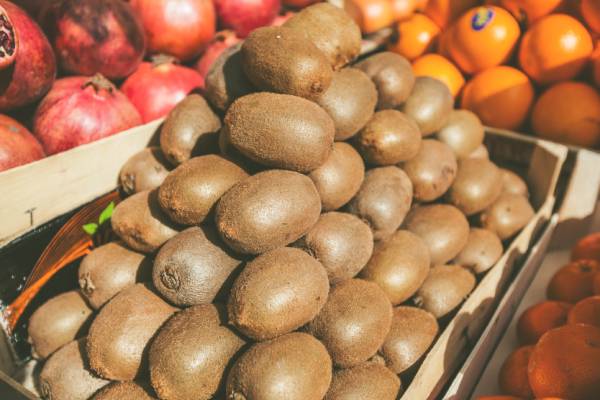
Internally, the volume increase will demand greater controlled-atmosphere chamber AND storage capacity to distribute the fruit evenly during the season and avoid flooding the market.
At the field level, the focus will be on improving storability, avoiding excessively small sizes, and reducing the presence of second-category fruit, associated with shape problems.
On the latter, the executive stressed the importance of efficient pollination—including assisted pollination when necessary—to ensure good shape and higher seed content, which favors preservation.
"The challenge of good fruit starts with harvesting within the adequate parameters. Avoiding early harvests is key, because the only thing they do is damage the market and the image of Chile,” he concluded.
*All images are referential.
Related stories
The second life of Chilean kiwifruit—more acres, better quality, and new markets