







Dark sweet cherries may slow aggressive breast cancer metastasis
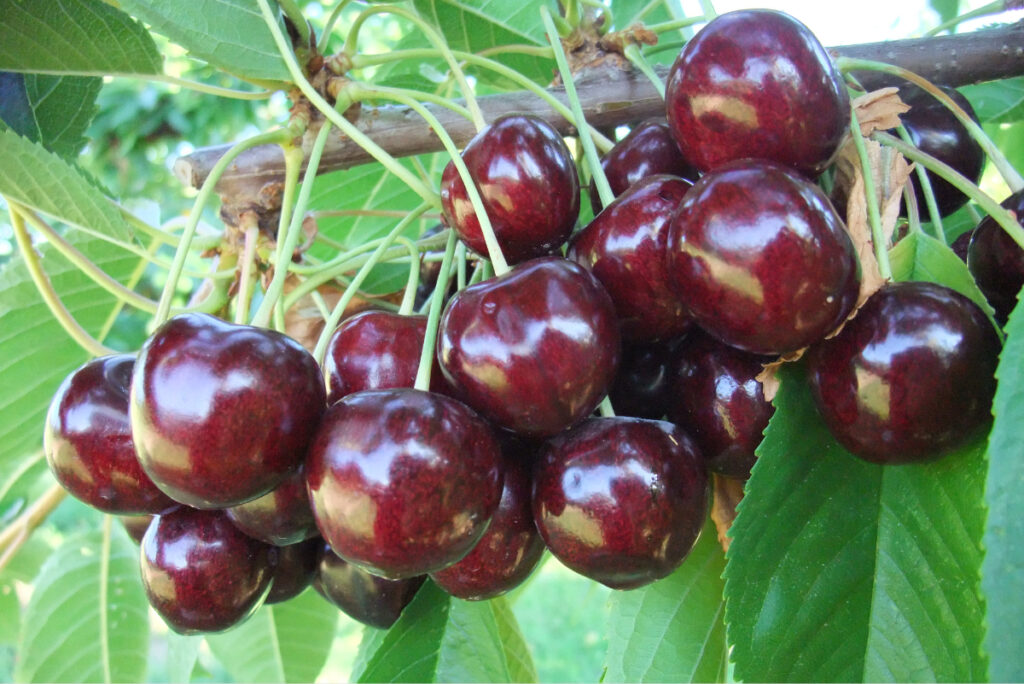



Researchers at Texas A&M University have found that anthocyanins, the pigments responsible for the deep red color in dark sweet cherries, may help slow the spread of one of the most aggressive forms of breast cancer.


Published in the International Journal of Molecular Sciences in July 2025, the study examined the chemopreventive effects of dark sweet cherry extracts rich in anthocyanins, as well as their potential to complement chemotherapy with doxorubicin, on the spread and growth of triple-negative breast cancer (TNBC).

Anthocyanins: slowing and reducing cancer
According to the research, mice given anthocyanin-rich cherry extracts before tumor development showed slower tumor growth with no noticeable side effects.
The tumor was suppressed earlier in mice taking both the dark sweet cherry extract and undergoing chemotherapy than in those only treated with chemotherapy. They also maintained their body weight, and some even gained some.
Mice treated with chemotherapy alone experienced slowed tumor growth, only later in the study, and at times lost weight.
Antocyanin treatments also reduced the spread of cancer to the lungs beyond what was observed with no treatment or chemotherapy alone, and lowered the likelihood of cancer spreading to other organs, although the number and size of tumors varied among individual animals.
Texas A&M University Research Scientist Giuliana Noratto Stevens says these findings are important because TNBC is considered one of the most aggressive cancers due to its rapid cell division, higher likelihood of spreading, and difficulty in treating.
Unlike other breast cancer types, TNBC lacks key molecular targets—such as hormone receptors and HER2 protein expression—making it more difficult to treat and more prone to spreading to organs such as the lungs and brain.
Further research is needed to better understand how these compounds behave in the body, including their absorption, safety, and effectiveness in clinical settings, Noratto emphasizes. However, she adds that the findings point to new avenues for exploring how fruit-derived compounds could contribute to cancer treatment strategies.
Related stories:
How dark sweet cherries support a healthy gut and a sharper mind





Subscribe to our newsletter