








“My budget is toast”: Devastating freeze leaves Florida blueberry farm reeling
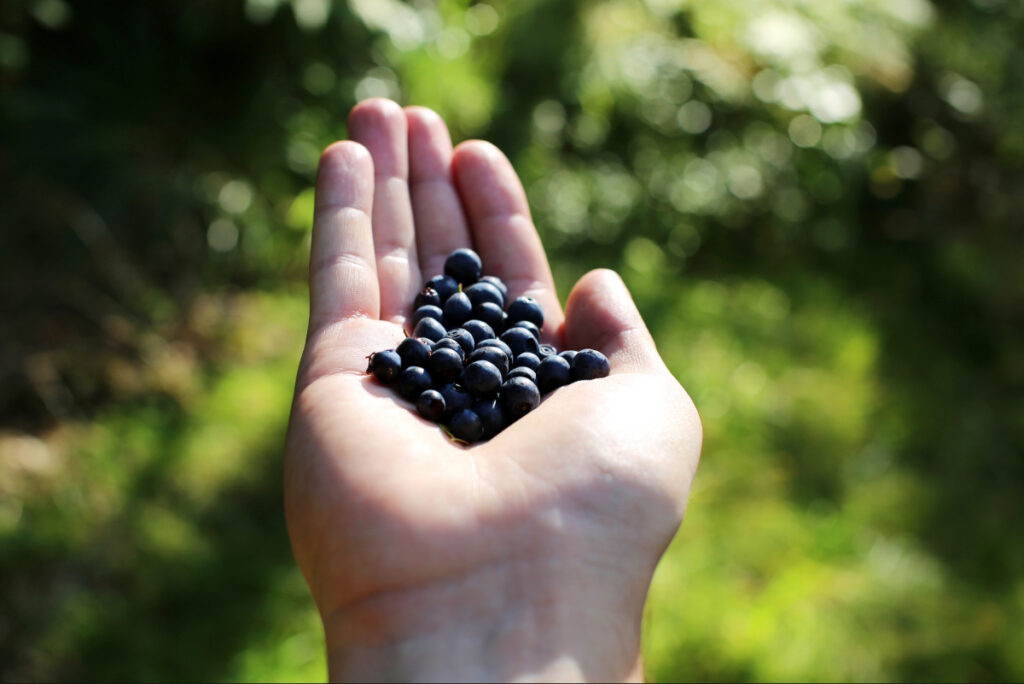



For Florida’s blueberry growers, the impact of the unexpected freeze that hit the state on January 31 and February 1 has proven more severe than initially anticipated.


That’s certainly the case for Austin Sigety, owner of Tampa’s Frogmore Fresh, who now faces a harvest even smaller than his very worst predictions.
Sigety was one of the many blueberry growers in Central and North Florida who were hit by the coldest weather the state has seen in decades, with temperatures falling to 25 degrees Fahrenheit.
The damage to his crop is clear and dramatic: At week 16, he’s harvesting only 20 percent of what he picked at the same time last year.
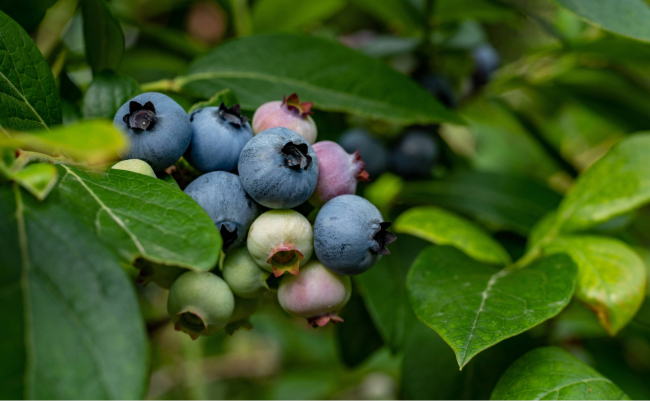
Florida blueberry losses largely exceed forecasts
Upon learning what loomed ahead, growers, including Sigety, acted quickly to prepare accordingly. However, the weather proved colder and more relentless than expected, and even with freeze protection in place—the overhead water sprayers over every row of berries—losses were massive.
Frogmore Fresh’s early estimates suggested that more than 30 percent of bushes were lost, but those numbers seem almost optimistic now. Sigety explained that the real damage is not easy to assess because it cannot be seen—"It's within these closed buds and the vascular system of the bush and whatnot.”
The grower thinks the final tally is closer to 60 percent blueberry volume decrease by the end of the season, almost double his original projections.
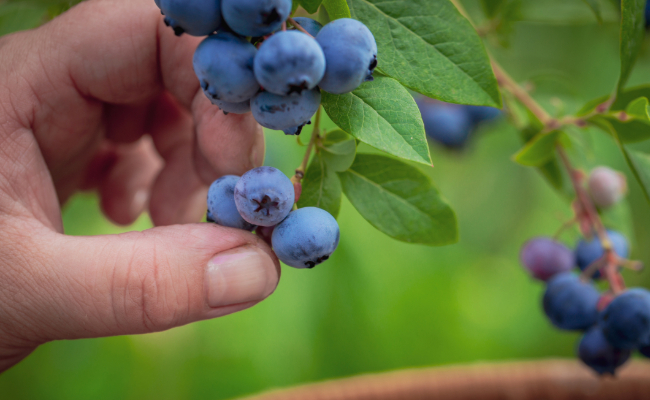
Sigety noted that surviving plants (some of them over a decade old) are recovering at a visible pace but still bear the marks of shock from the deep freeze.
“The leaf color is off [and they] aren’t becoming as broad as they historically have—they’re taking longer from new flush to harden,” he explained.
The producer said that because leaves account for a large part of the plant’s energy reserves, slower foliar development slows every other growing process. And it shows—right now, Sigety noted, if the frosts hadn’t happened, Frogmore Fresh would be at the peak of its production.
“I'd be picking somewhere between 300,000 and 400,000 pounds of fruit this week, but instead, I'll probably pick around 75,000,” he said. “My budget is toast. It’s going to be painful, very painful. Even with the crop insurance and stuff we pay for, I don't know what it's going to look like at the end of the harvest season.”
Sigety plans to keep harvesting right on schedule and end around the second or third week of May, between weeks 19 and 20. The goal is to stretch the season as far as the Florida heat will let him.
Not leaving without a fight
With a 60 percent drop in volume comes a matching plunge in revenue. Still, even as costs pile up, Sigety insisted that leaving the berries unpicked is simply not an option.
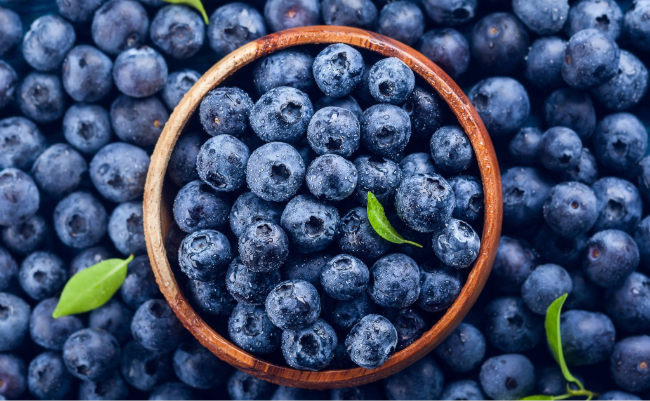
“If you don't harvest, you're sending the wrong message to the market,” he said. “Yes, true, I have to incur all these other costs that I wouldn't otherwise incur, but retailers are going to be buying the fruit no matter what. I still think consumers appreciate local produce, and growers should want buyers to know that even in a bad year, we are here to fill their demand and orders as best we can.”
He added that this season, he hopes blueberry buyers are understanding. Most growers will be sorry the fruit is a little more expensive, he said, but he is positive things will return to normal next season.
After this harvest, the Frogmore Fresh team will go through and hedge the whole field in the hope that this resets the plants. Sigety said they had already hedged around 10 percent of the farm 10 days after the freeze. Now, he says, they’re growing like crazy.
Yet through it all, Sigety holds onto hope and resilience.
“I'm not crazy happy about this harvest, but I am optimistic about next year already,” he concluded.
Related stories:
“Our red bet came up”: Florida blueberry industry faces major losses after historic frost
Florida blueberry crop losses near 50 percent following Winter Storm Fern, expect price spike
Berry growers in North and Central Florida face the devastating effects of the latest cold snap





Subscribe to our newsletter