







EPA approves Soilcea’s CarriCea T1: The first CRISPR-edited rootstock to offer greening tolerance for Florida citrus



Florida’s citrus growers are celebrating a major milestone: the United States Environmental Protection Agency’s (EPA) approval of Soilcea’s CarriCea T1 registration.


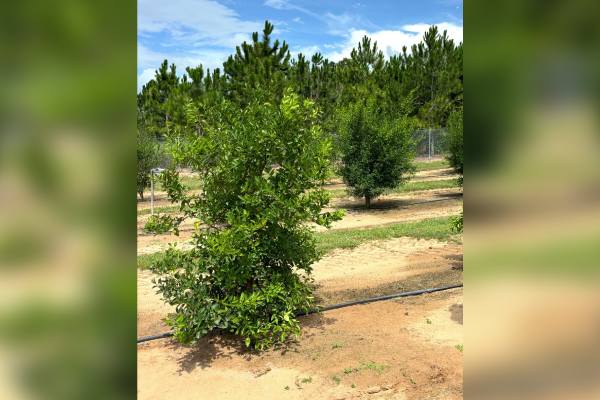
The cultivar is a first-of-its-kind citrus rootstock designed to tolerate citrus greening disease (Huanglongbing, HLB), one of the industry’s biggest threats worldwide. The developers of the variety used CRISPR technology to precisely edit the rootstock’s genes, disrupting the bacterium causing greening from interacting with the plant, limiting the tree’s infection.
“This innovative tool for growers is giving our industry renewed confidence in the future as we work to recover and rebuild,” said Florida Citrus Mutual (FCM) Board President Kevin Koppelman.
Screenshot
Citrus greening, a disease transmitted by the Asian citrus psyllid, was first found in Florida in 2005, leading to a significant decline in production, driving up input costs for growers and resulting in the loss of citrus grove acreage.
A new era for Florida citrus growers
The EPA’s approval marks a new era in the citrus industry’s recovery after roughly two decades of decline due to HLB and a significant industry-wide investment in research for a cure.
Developed by Florida-based scientists at the University of Florida and biotech company Soilcea, this cutting-edge approach supports the state’s citrus industry and serves as a model for growers worldwide facing threats and destruction from pests and diseases.
The timing for the approval is ideal, as it allows the new CarriCea T1 rootstock to be planted ahead of the 2026-2027 citrus season.
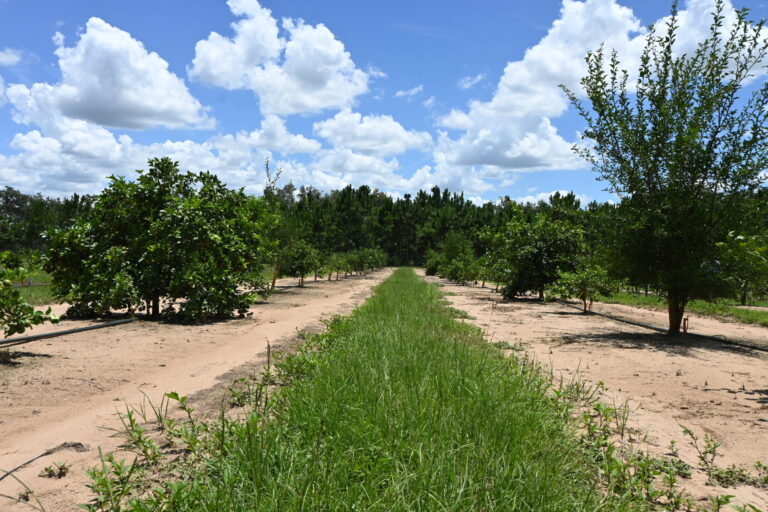
“We're getting these CarriCea T1 trees ready to go for growers. We have 200,000 of these trees going through the nursery pipeline,” Yianni Lagos, Soilcea President and CEO, told FreshFruitPortal.com.
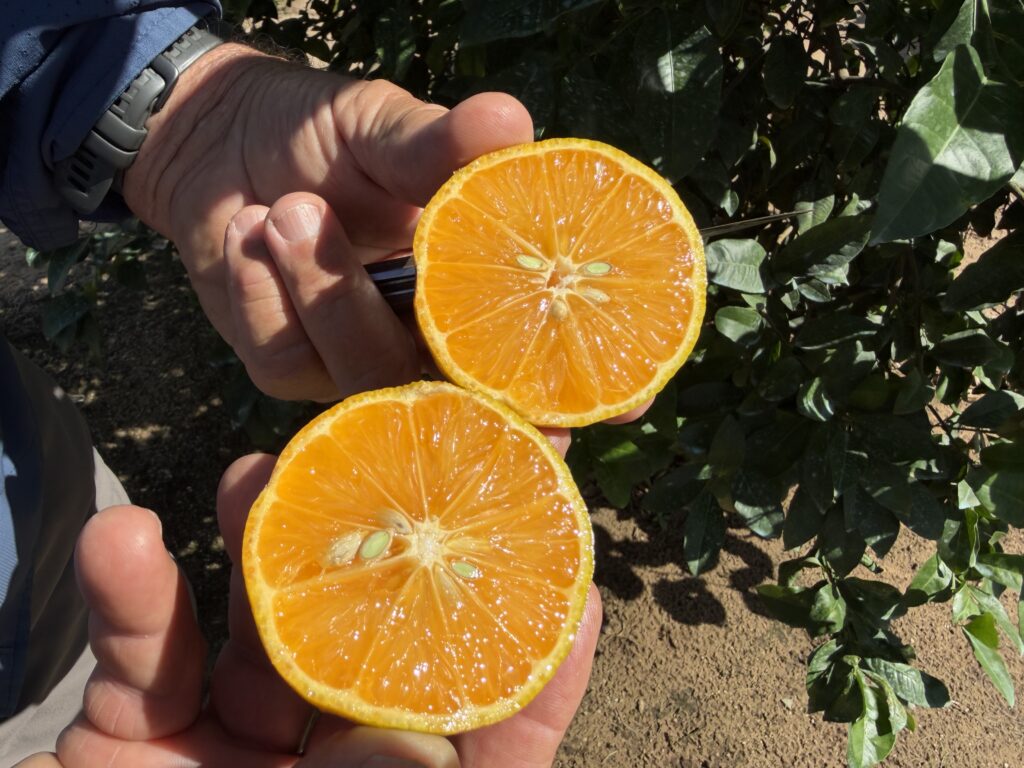
Fruit produced by the new rootstock is indiscernible from fruit produced by other citrus rootstocks, and Lagos assured that both environmental and human health risk assessments for the cultivar have shown no reasonable risks detected.
The newly approved rootstock puts another safe, innovative tool into the hands of Florida citrus growers, reducing pesticide spraying and reliance on imports and bolstering the nation’s citrus production and economic growth.
While broad implementation of this innovative tool will take time, the EPA’s approval marks a turning point, encouraging renewed investment and reinforcing confidence in the future of Florida’s signature crop.
*All images courtesy of Soilcea and Florida Citrus Mutual.
Related stories
Breakthrough CRISPR rootstock offers hope against deadly citrus greening
Florida citrus production to hit new record low in 2025/2026 season, says USDA
Florida citrus challenges freeze woes with new (and improved) forecast








Subscribe to our newsletter