








Brazilian citrus crop to fall 13 percent during 2026/27 season
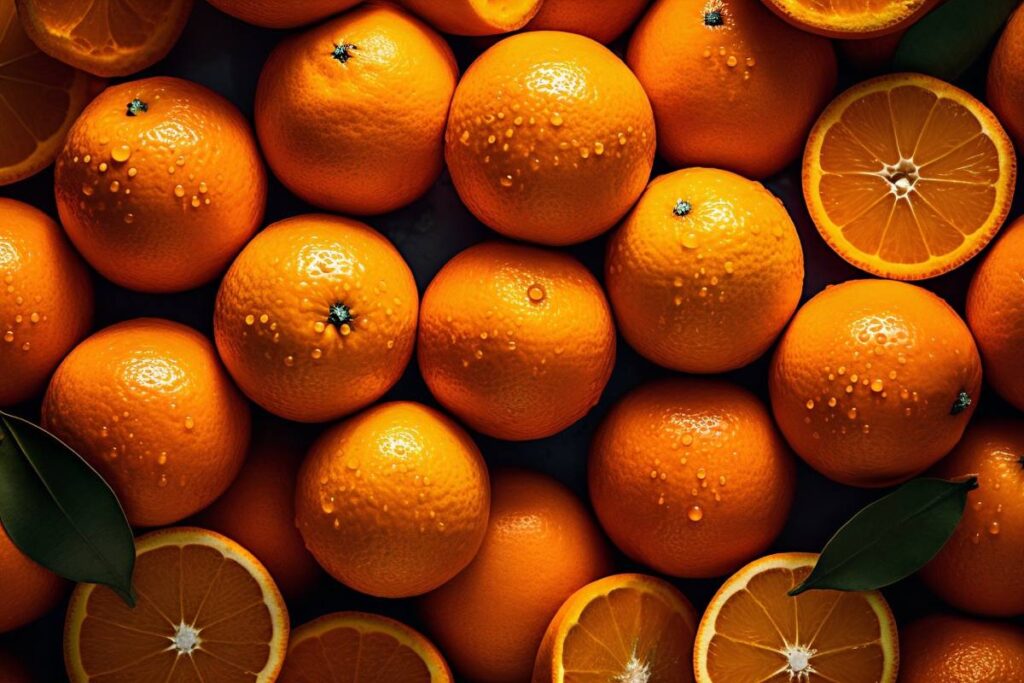



At an event in São Paulo, Brazilian industry body Fundecitrus reported its first seasonal forecast for the 2026/27 season, which sits 13 percent below last year’s final figures and nearly 15 percent below the 10-year average.


During his presentation, Fundecitrus Executive Director Juliano Ayres underscored the high variability of crop estimates between producing regions.
“It’s been a hard year,” he said. “A patchwork of a situation, with 250 samples, different regions, different specificities, and differently irrigated areas. It’s extensive work.”
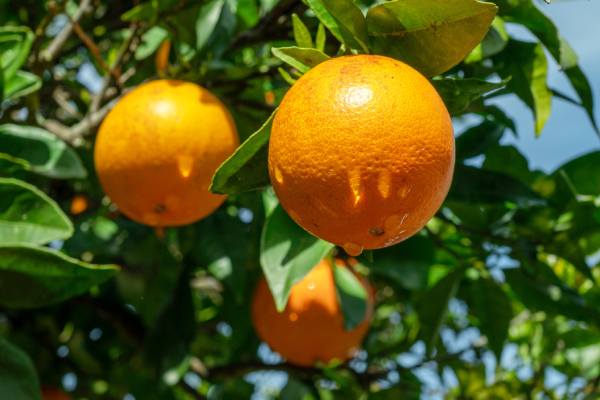
For the 2026/27 season, the industry expects production to total 255.2 million 90-pound boxes, with a margin of error of six million boxes. The organization emphasized its confidence in this first estimate, with Ayres saying the numbers should change only in the face of unpredictable weather.
Brazilian citrus: A complicated equation
Fundecitrus explained that multiple factors are behind the decline in the citrus crop. The main one, according to Ayres, is a lower fruit load, estimated to be down by 17 percent.
Overall, the organization calculated the number of fruit per tree at 514, which they said last year sat around 600. On the bright side, a lower fruit load usually means higher fruit weight, which for this campaign is forecast at 160 grams. Together, these numbers translate to 1.38 boxes per tree and 697 boxes per hectare.
A lower fruit load is explained by 2026/27 being an off-season, but there are other important factors at play. Most importantly, climate.
Weather fluctuations across Brazil are drastically changing estimates, with the North and Northeast enjoying more irrigation, higher first-bloom fruit rates, and less citrus greening prevalence. Meanwhile, the South and Southeast regions of the citrus belt are a stark contrast, suffering from even lower fruit load and higher drop rates. The latter is projected at nearly 24 percent.
“Rainfall distribution and climate as a whole are determining our figures,” said Ayres.
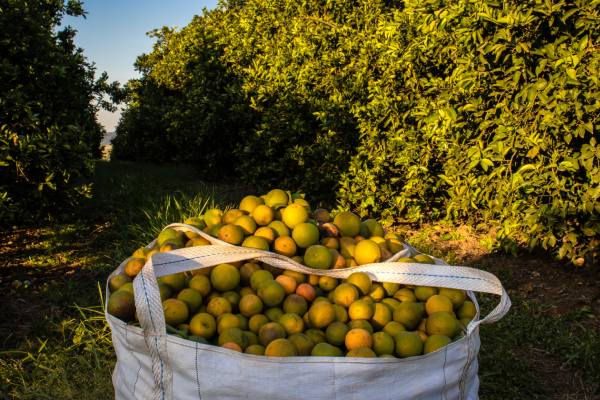
Citrus greening and leprosis are two other important factors to consider in the Brazilian citrus forecast, as they also determine important variables such as fruit load, weight, and drop rate.
“Despite advances in average weight and the technological level of the orchards, the scenario demands rigorous management and continuous monitoring,” said Ayres in a statement published on Fundecitrus’ website.
The last survey of the disease conducted by Fundecitrus, in September 2025, indicated that citrus greening affected nearly 48 percent of the orange trees in the citrus park. However, numbers mentioned by Ayres on the organization’s stream indicate the incidence has increased to 52 percent.
Fruit loss rate for the season is expected at over 31 percent of the total, with greening accounting for 56 percent of that—up from 51 percent the previous year. The graph depicting this variable is dramatic, showing a steep upward curve starting in 2022.
But despite past numbers, Ayres is hopeful regarding the prevalence of the disease in Brazilian farms. He mentioned that better agronomic management and weather conditions are reducing HLB numbers, and a larger presence of an insecticide-resistant Asian citrus psyllid, the vector of greening disease, has been addressed and is currently being managed.
On another positive note, Ayres added that recent research points to orange juice having even more and more impactful health benefits than initially believed, putting the beverage under superfood status. This, the executive said, provides a clear and interesting promotional opportunity for the sector to leverage these findings and further market a product so important for the Brazilian economy.
*All images are referential.
Related stories
Brazilian orange harvest forecast drops nearly 4% amid severe greening and drought
Southern Hemisphere citrus forecast: Production down 6 percent, exports expected to rise 4 percent







Subscribe to our newsletter