


Brazil opens new markets for fruits such as avocados, apples, and citrus in the Middle East and Central America

 Add Fresh Fruit Portal to Google
The Brazilian government concluded a new round of sanitary and phytosanitary negotiations to expand its export offering to various trade partners, focusing on fresh fruits and agricultural products.
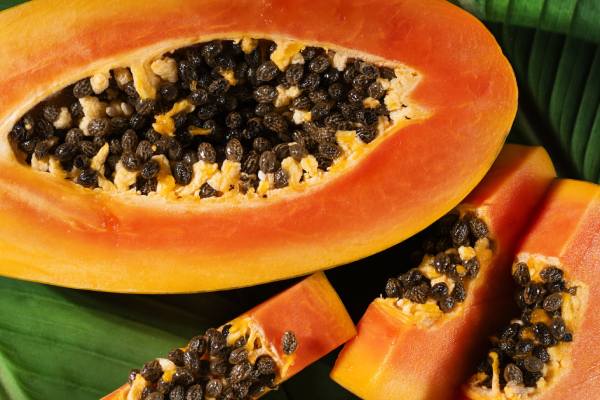
According to the country's Ministry of Agriculture and Livestock (MAPA), one of the most significant advancements took place in Saudi Arabia, where the entry of nine fruits from the Latin American country was authorized: avocado, atemoya, guava, star fruit, citrus, ginger, papaya, passion fruit, and watermelon.
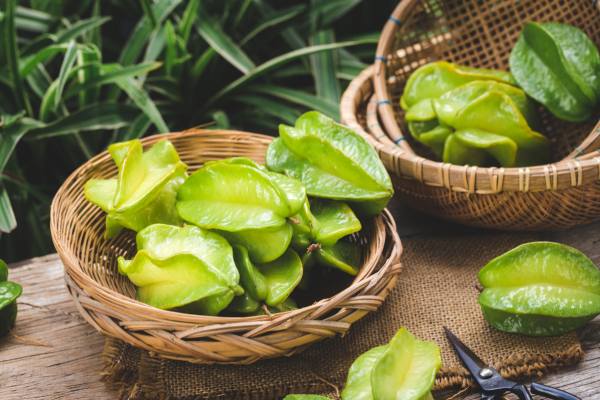
The Saudi market is positioned as one of the main destinations for Brazilian agribusiness in the Middle East, with imports of agricultural products exceeding $2.8 billion in 2025.
Smaller-scale markets for Brazil, but with great potential
In Central America, specifically in El Salvador, authorities approved the import of apples from the South American giant.
The ministry also highlighted that Azerbaijan enabled the entry of grapes, and although both this market and El Salvador are considered small-scale, they show sustained growth. In 2025, agricultural exports from the country reached $103 million to El Salvador and $24 million to Azerbaijan.
For its part, Jordan authorized the import of Brazilian hay, in a market that imported more than $499 million in agricultural products from the Latin American nation last year.
Finally, Ethiopia approved the export of forage seeds of species such as Brachiaria spp., Panicum spp., and Setaria spp., contributing to the diversification of the export basket to that African destination.
Related stories
Lower supplies and falling prices mark the home stretch of Brazil's 2025/26 orange season
Brazil welcomes BRS Pérola, a white seedless table grape variety with up to 12 tons per acre
Why does the world's third-largest fruit-producing country export only 2% of its production?