








Climate change is altering Canada’s growing environment, highlighting the value of crop diversity
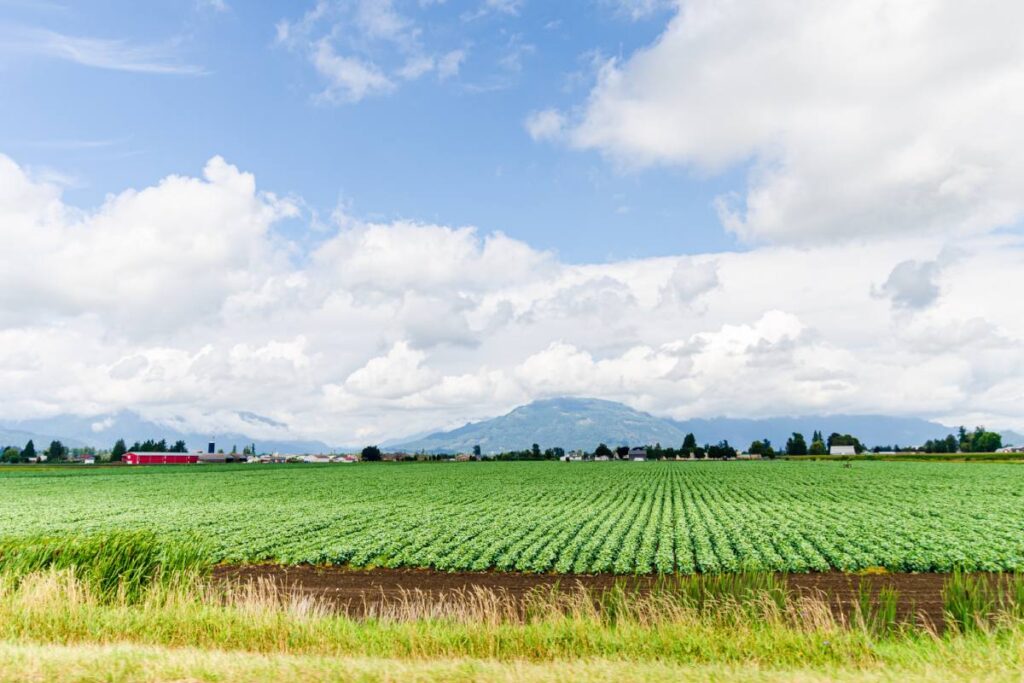



Climate change is reshaping the landscape of Canadian agriculture, offering a complex mix of opportunities and structural risks, says Rabobank.


A new report published by the financial institution in mid-May outlines how accelerated warming is expanding agronomic feasibility northward, potentially expanding the country’s crop portfolio in the near future.
However, the document warns that long-term competitiveness hinges on resisting wholesale convergence toward standard corn-soybean models and Canada’s historical commitment to crop diversification and fit-for-place genetics.
More growing acreage for Canada
According to government data, Canada is warming at approximately twice as fast as the rest of the world on average, with the most pronounced temperature increases occurring during the winter months.
Agronomically, this shift is lifting natural constraints that historically have prevented the Great White North from growing crops more extensively, with longer frost-free periods and an increasing number of growing degree days (GDD).
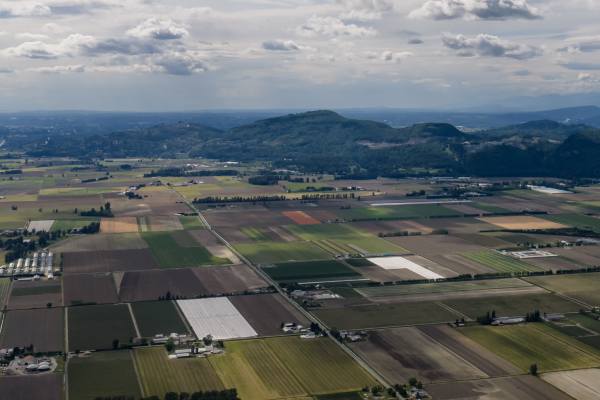
Rabobank projects that by mid-century, areas exceeding 1,600 GDD will expand further north, significantly improving the growing conditions for cool-season crops. In the south, rising heat units will push more regions past the 1,000 GDD threshold, allowing for the integration of longer-maturing, higher-yielding crop varieties. This will also improve conditions for growing warm-season commodities like corn, soybeans, and dry beans.
Commercially, these shifting boundaries open notable avenues for productivity gains on existing farmland, including the potential for multiple harvests in select microclimates and expanded cultivated areas.
According to Rabobank, specific crops stand to see direct yield benefits. For example, wheat yields are projected to increase by approximately eight percent by 2040 under a two-degree Celsius warming scenario. Similarly, barley is expected to experience modest yield gains in Eastern Canada and increases ranging from 0.2 to one metric ton per hectare across Western Canada. Canola could see an average yield increase of 7.5 percent, driven by positive impacts across the Prairies.
These warming patterns have already triggered a rapid acreage expansion for corn and soybeans, which are highly appealing to growers because of their reliable revenue streams and significant global R&D backing. However, the real-world application of the benefits in this projected scenario is not as easy as it seems, as lifting the long-standing thermal constraint does not guarantee ideal growing conditions.
Higher temperatures, lower water levels
A warmer climate might be able to put deadly frost at bay, but less precipitation has severe impacts on Canada’s water availability.
While annual and winter precipitation is projected to rise, summer rainfall is already declining across critical southern growing regions, says Rabobank. Dwindling snowfall also reduces natural soil moisture storage, which in turn can negatively affect the yield of certain crops, such as soybeans.
Rain-fed soybean yields drop sharply moving west across Saskatchewan's soil zones, falling below 882 pounds per acre in the arid Brown soil zone. Furthermore, Canada remains structurally under-irrigated, says the report, with only two percent of its farmland currently equipped for irrigation.
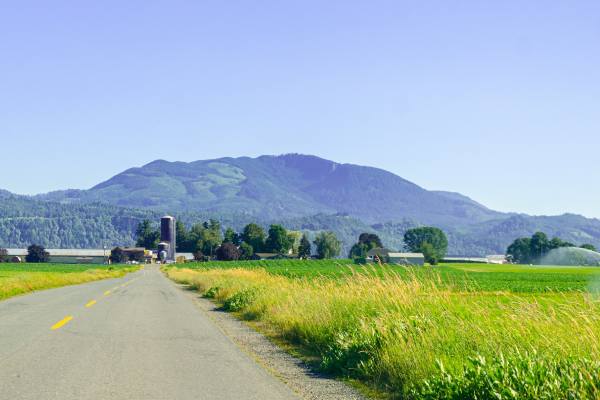
The expansion of productive acreage might present a tempting opportunity for Canada to shift toward globally dominant, high-revenue commodities like corn and soybeans. However, Rabobank says this introduces major commercial risks, as it forces local growers into direct competition with deeply entrenched, large-scale systems in the US and Brazil.
Moreover, a broad shift toward monoculture threatens to increase vulnerability to climate volatility, heatwaves, and changing pest dynamics, such as the rising incidence of verticillium stripe and striped flea beetles in canola.
Canada’s biggest advantage in the global agricultural market, say the authors, is its crop diversity. Abandoning traditional "orphan" crops, such as canola, pulses, barley, oats, rye, and flax, dilutes the country’s unique upper hand.
Strength in diversity
To safeguard Canada’s long-term competitiveness, Rabobank experts recommend a strategy of deliberate differentiation rather than replicating global commodities.
The key, they say, is in adapting to this changing scenario as it evolves, for example, restricting warm-season crops to selective, rotation-smart areas highly conditional on local water availability. Genetics will also play a crucial role in Canada’s agricultural future, making heat- and drought-tolerant cultivars imperative to commercial success and resilience.
Finally, the Rabobank experts recommend a renewed water stewardship strategy that entails modernizing regional water infrastructure and adopting partial irrigation where viable.
*All images are referential.
Related stories
Oppy named one of Canada’s Best Managed Companies for 25th consecutive year
No soil, no problem: How hydroponics pose an growing alternative in the face of climate change











Subscribe to our newsletter