







Zespri develops its first self-pollinating green kiwifruit variety
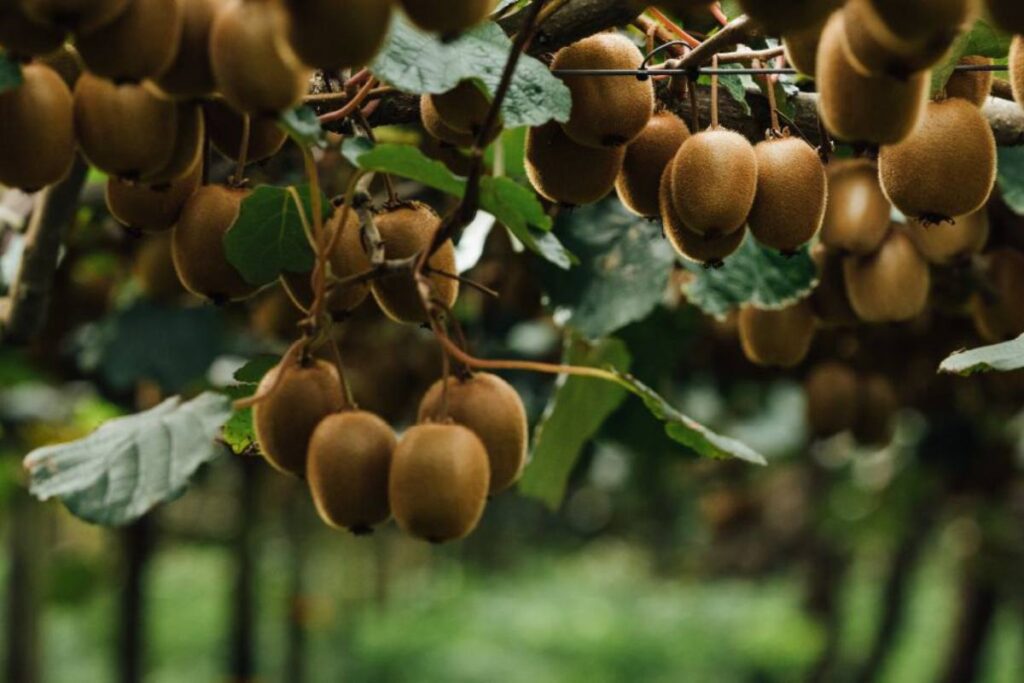



Zespri is currently developing a new promising green kiwifruit variety. Green146, as it is technically known, is the company’s first hermaphrodite cultivar, which makes it self-pollinating and allows it to increase production area.


“The precommercial green program is our largest, with 20 hectares of trials assessing a range of green cultivars across Eastern and Western Bay of Plenty, Gisborne, Waikato, and Northland,” read an article in Zespri’s newsletter The Kiwiflier.
The company calls Green146 its “most promising new cultivar,” and even though it’s still in a pre-commercial stage, the variety already shows higher consumer preference, bigger sizes, and yields 50 percent higher than Hayward, the dominant green kiwifruit cultivar in the market.
Zespri may be reinventing the green kiwifruit game
A key characteristic that sets the new variety apart is its greater consistency in warmer climates. As growing conditions have evolved, Zespri explained, Hayward started to show more variability in the orchard, particularly in warmer climates.
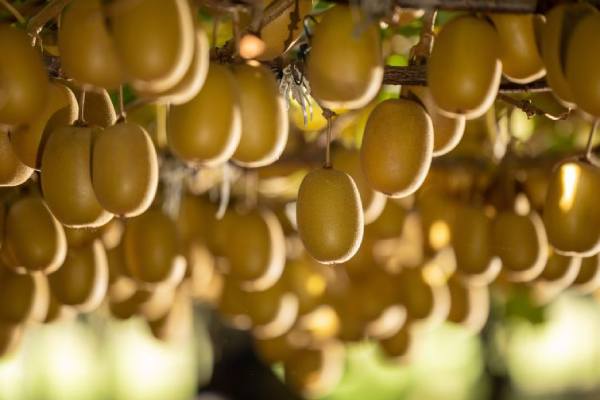
“While [consumers] are drawn to Zespri Green for its health benefits, it is getting harder to retain loyalty over time when the eating experience is mixed, and we risk losing ground in the green category,” the newsletter reads.
In contrast, Green146 presents two big opportunities for the category: first, the potential of yield increases in warmer regions; and second, the expansion of planted acreage, as growing green kiwifruit becomes viable in more areas, thereby improving long-term resilience.
But the incentive to develop a new green kiwifruit variety is not only agronomic. Zespri is also aware of the large commoditization of Hayward, which currently accounts for roughly 70 percent of the total kiwifruit market.
Zespri explained its green returns are currently in a good position thanks to careful volume management, but recognized that the approach won’t drive long-term growth.
“Hayward remains central to our green kiwifruit portfolio, and to the returns many growers rely on. At the same time, we know we need to keep evolving to make sure Zespri Green stays competitive and continues to meet the needs of consumers, customers and growers over the long-term,” said Carl Cooper, Executive Officer for Innovation and Commercialization.
Pending details and eventual commercial debut
As promising as Green146 looks so far, Zespri says there are still details to iron out, including a more elongated fruit shape and a blunt beak, which require assessment of packing rates and flow.
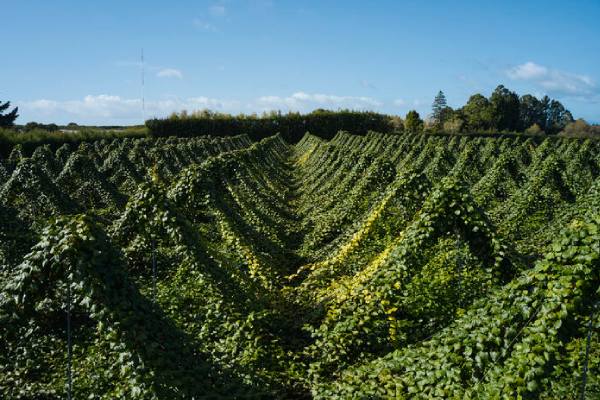
The cultivar also has a long flowering period and a two- to three-week-later harvest date than Hayward, making it vulnerable to June freezes in New Zealand. Other details include the crop load-to-dry-matter ratio and lowering factors such as fruit drop and bud rot.
The company said that before making the decision to commercialize Green146, they need to be confident that the cultivar meets Zespri’s performance thresholds on-orchard, in the supply chain, and in the market. Trials will continue in 2026, and the company said it would share results as they are validated.
“The market teams are currently assessing demand, and we expect to share these market signals in early July,” they said. “A decision regarding commercialization is planned for consideration in December 2026 at the earliest.”
*All images courtesy of Zespri.
Related stories
In a first for fresh produce, Zespri scores EU-approved health claim for green kiwifruit
Zepri's organic Sungold and green kiwifruit lead the way in organic sales







Subscribe to our newsletter