FAO highlights agrifood projects for climate and biodiversity goals
 Add Fresh Fruit Portal to Google
This story was originally published by the Food and Agriculture Organization of the United Nations.
The Food and Agriculture Organization of the United Nations (FAO) and the Global Environment Facility (GEF) are highlighting a series of agrifood projects that they say demonstrate how food production can support climate, biodiversity and land restoration goals while strengthening rural livelihoods.
The organizations pointed to projects in Peru, Iraq, Central Asia, and Pakistan as examples of efforts to scale agricultural practices that address environmental challenges while maintaining food production across 140 countries in the FAO-GEF portfolio.
©FAO/Giulio Napolitano
According to FAO, agrifood systems play a central role in achieving the objectives of the three Rio Conventions on climate change, biodiversity and land degradation neutrality. The organization said policy support, investment, and farmer adoption remain critical to delivering those outcomes.
Agrifood projects with forest roots
In Peru's Amazon region, the Amazónicos project works with Indigenous communities, government agencies, United Nations partners, and local nonprofit PROFONANPE to restore degraded ecosystems and strengthen protected-area management.
Peru has lost more than 4.9 million acres of tropical forest over the past two decades, the entity notes. The project promotes sustainable value chains based on native forest products while supporting Indigenous-led land management and fire prevention efforts.
FAO said three national parks covering more than 8.4 million acres now operate under strengthened management frameworks designed to protect biodiversity and support local food systems.
©Flickr/Anton Ruiter
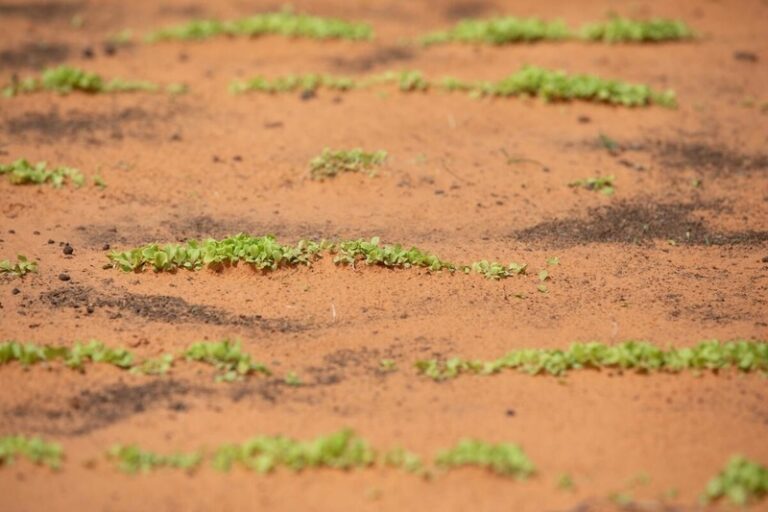
In southern Iraq, a separate initiative is helping 1,600 farmers adopt conservation agriculture practices in the drought-affected governorates of Thi-Qar and Al-Muthanna. The project promotes minimum tillage, crop rotation, organic mulching, and water-efficient land preparation techniques.
According to FAO, participating farmers have increased crop yields by 25 percent while reducing irrigation cycles by nearly 30 percent. The organization also reported a 20 percent reduction in farming costs during the first year of implementation.
Water management and banana byproducts
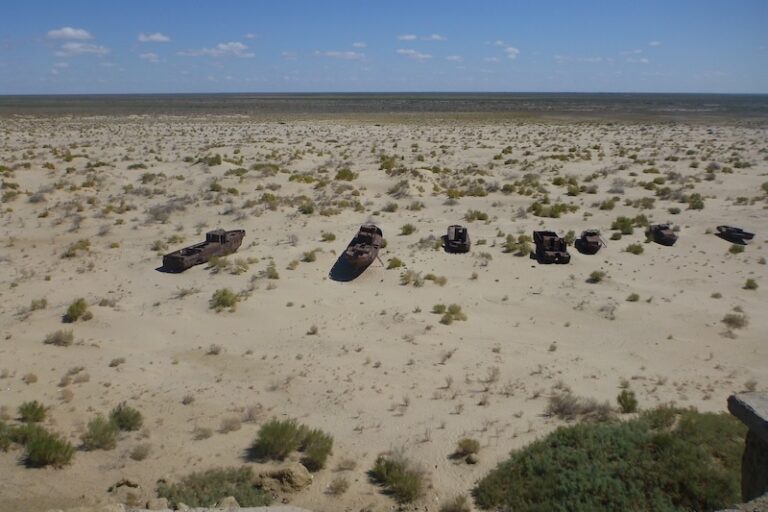
FAO is also supporting Kazakhstan, Kyrgyzstan, Tajikistan, Turkmenistan, and Uzbekistan through a regional program focused on sustainable land and water management.
The initiative seeks to improve cross-border management of the Amu Darya and Syr Darya river systems, which have experienced significant declines following decades of intensive irrigation and land use. FAO said the program combines ecosystem restoration, sustainable farming practices, and satellite-based monitoring to support decision-making and improve management of shared water resources.
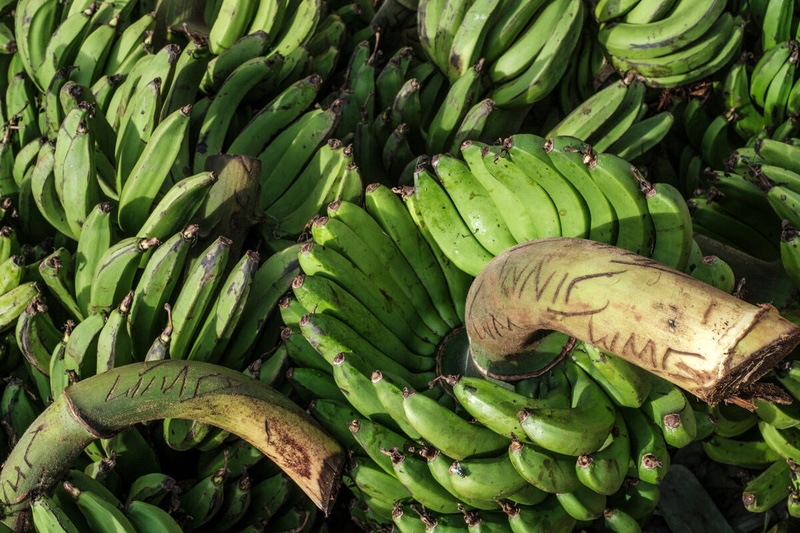
In Pakistan, FAO and GEF are backing a project that converts banana crop residues into natural fibers for textiles, handicrafts, and packaging materials to create additional revenue opportunities.
Pakistan produces an estimated 317,000 metric tons of bananas annually. Much of the plant material remaining after harvest, including stems and leaves, is traditionally discarded.
According to FAO, the initiative will introduce the practices across nearly 49,400 acres and involve more than 73,000 people in producing bio-based products from banana residues. The organization said the project also seeks to eliminate hazardous chemicals from textile supply chains.
FAO and GEF have partnered since 2006 on projects focused on agricultural resilience, ecosystem restoration and sustainable food production. The organizations said they plan to continue expanding investments in agrifood systems as countries work toward the 2030 Agenda for Sustainable Development.
*All images courtesy of FAO.
Related stories
FAO urges members to use challenges as an opportunity to transform global agrifood systems