Bracing for El Niño: FAO and WFP launch joint appeal to protect 8.8 million people from extreme weather events
 Add Fresh Fruit Portal to Google
The Food and Agriculture Organization of the United Nations (FAO) and the World Food Program (WFP) have launched their first-ever Joint Anticipatory Action Appeal, seeking $202 million to protect nearly nine million people from the potential impact of a strong El Niño weather pattern.
The initiative focuses on 22 high-risk priority countries, based on meteorological forecasts of El Niño and its potential impacts. These include Cameroon, Nigeria, Zimbabwe, Afghanistan, Pakistan, the Philippines, Colombia, El Salvador, and Guatemala.

©FAO / Hashim Azizi
The appeal calls for urgent, flexible funding ahead of anticipated climate shocks that could threaten food security, livelihoods, and agricultural production across the world’s most vulnerable regions through this year and next.
El Niño: A potential shock to the global food system
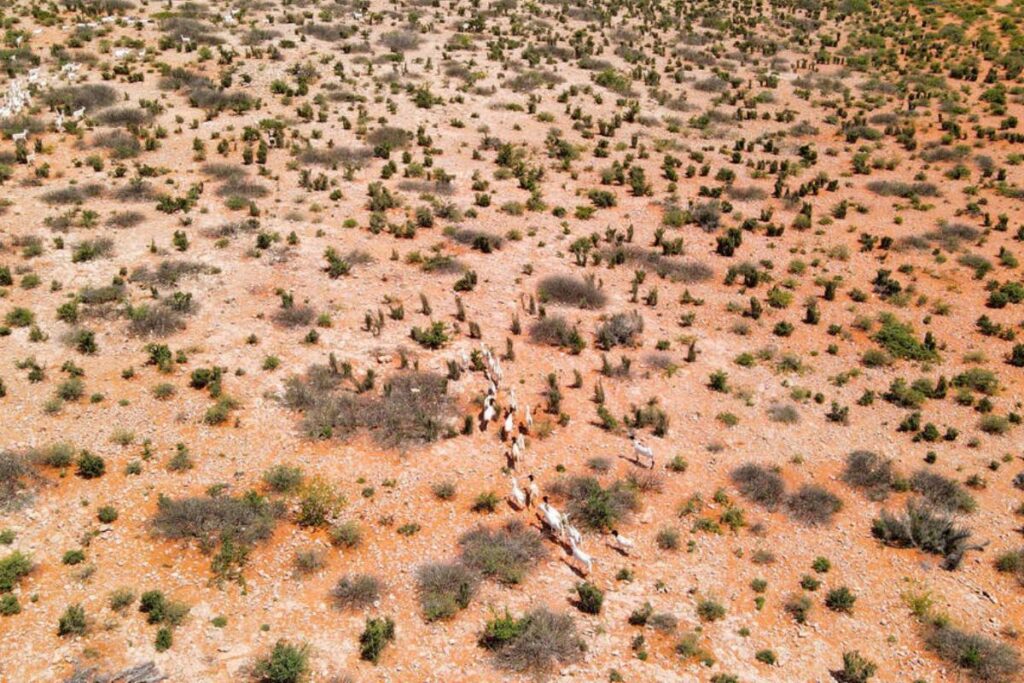
El Niño is forecasted to strengthen during the period covered by the outlook, leading to drier-than-average conditions in some areas and wetter, flood-risk conditions in others. This can disrupt planting, growing seasons, harvests, pasture, and water availability.
Strong El Niño conditions in the second half of 2026 are predicted to increase the likelihood of drought, floods, and storms across parts of Africa, Asia, the Pacific, and Latin America and the Caribbean.
The forecast comes at a time when millions of people are already facing acute food insecurity driven by conflict, economic instability, displacement, recurrent weather-related shocks, and economic disruptions linked to the conflict in the Middle East.
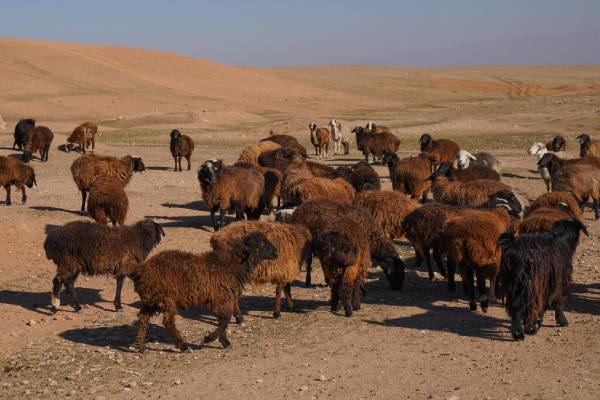
©FAO / Hashim Azizi
FAO and WFP are already positioned to provide anticipatory action for 1.2 million people projected to be affected by El Niño.
With an additional investment of $167 million, the two agencies are positioned to rapidly expand support to a further 7.6 million people across 22 priority countries, bringing the total coverage to 8.8 million people.
The cost efficiency of prevention
The joint appeal builds on strong evidence that anticipatory action is both highly effective and cost-efficient. Every dollar invested in anticipatory response can result in up to $7 in avoided losses and response costs.
"We have the data, the tools and the evidence to identify risks before they become emergencies. The challenge is ensuring that financing is available early enough to act,” said FAO Deputy Director-General Beth Bechdol. “When resources are available before trigger thresholds are reached, countries can protect food production, reduce humanitarian needs and help families safeguard livelihoods before critical planting, harvesting and livestock production windows are lost."
Funding will support a package of proven anticipatory actions tailored to individual local contexts. These include cash assistance, the distribution of drought-tolerant and/or flood-resistant seeds, livestock protection measures, water harvesting and storage systems, flood protection infrastructure, agricultural advisories and the dissemination of early warning information.

©FAO / Hashim Azizi
“We cannot afford the fallout of another food crisis,” said Carl Skau, WFP Acting Executive Director. “With El Niño on the horizon, we have a narrow window to act so families are not forced into impossible choices later.”
Planned interventions will help vulnerable households protect livelihoods, stabilize food consumption, safeguard agricultural production and strengthen resilience to future shocks.
FAO and WFP reiterate that the systems, partnerships and operational plans needed to act are fully in place and coordinated for immediate action. What is needed now is the financing required to deliver anticipatory action at the scale that current forecasts demand.
*All images courtesy of FAO. Main photo by ©FAO / Arete/Ali Adan
Related stories
Possible "Super El Niño" raises concerns across fresh produce markets
Peru's blueberry industry faces climate uncertainty as El Niño risk builds
Upcoming El Niño raises disease concerns for Florida strawberry sector