Peruvian pomegranate industry projects closing a challenging season with up to 25 percent growth
 Add Fresh Fruit Portal to Google
Written and reported by Macarena Bravo | Lee esta noticia en español
It’s been a bittersweet pomegranate season in Peru. Aldo Foster, partner at EGA Agroindustrial SAC, told FreshFruitPortal.com that volumes have not been as good as last year’s, with production decreasing close to 20 percent.
According to the executive, this situation was not exclusive to Tacna, where the company is based, but also observed in other parts of the country, including Ica, Peru's main pomegranate-producing region.
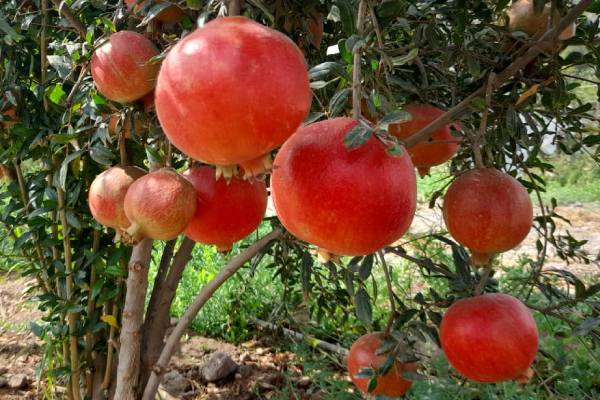
Peruvian pomegranates experience outer damage
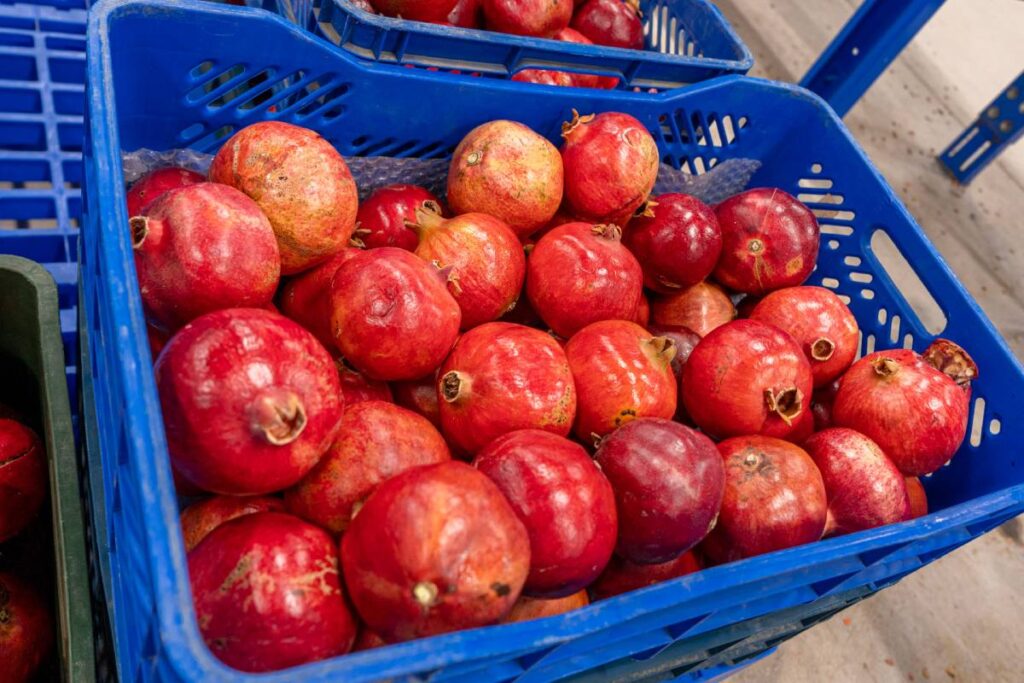
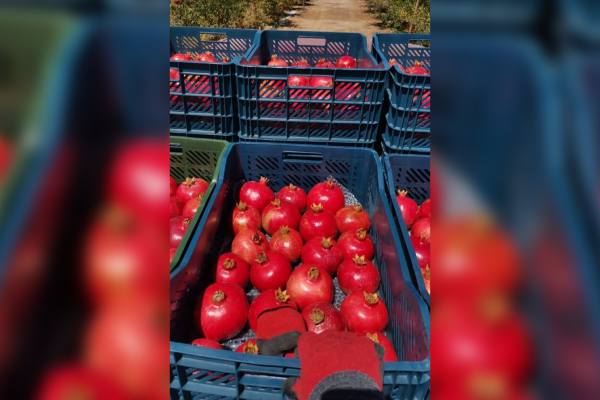
Foster explained that one of the season’s main challenges was the fruit's external appearance, a decisive factor for export markets, especially in Europe and Russia.
"We have seen more damage to the peel, so we associate it mainly with climatic conditions that may have affected yield and quality," he noted.
However, the executive noted that the fruit’s internal condition remained good, with arils showing good color and quality.
Increased Peruvian pomegranate production
Despite the difficulties recorded during the season, Foster estimates that national pomegranate production could close with significant growth, driven by new productive acreage.
"I believe that the total production in the country could increase between 20 percent and 25 percent compared to last year," he stated.
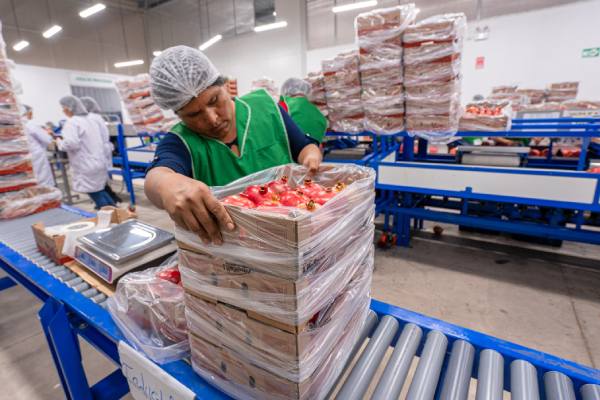
The executive recalled that the industry went through a period of contraction due to low international prices, which even led to the elimination of some plantations. However, since 2020, the crop has resumed its expansion.
China generates great expectations
The opening of the Chinese market is keeping exporters’ hopes up in the South American country. However, Foster said that virtually no shipments reached the Asian Giant this season due to regulatory and operational factors.
One of the main obstacles was the late implementation of phytosanitary protocols required by the Chinese authorities, which included pest monitoring using traps installed throughout the season.
"The procedure came out in November, when the season was already advanced, so no one could fully comply with the established requirements," he explained.
Additionally, there’s concern about the thermal treatment required for the fruit’s entry into the country, the impact of which must be evaluated through test shipments.
Still, the executive says expectations for China’s role in the next export season are high, with the country potentially becoming a strategic market to absorb part of the projected increase in Peruvian production.
El Niño: An uncertain outlook for Peru’s pomegranates
Looking ahead to the next season, Foster acknowledged concern about the potential impact of El Niño, especially in the producing regions north of Ica. He explained that rising temperatures could affect flowering and crop development, reducing production volumes.
On the other hand, the executive said that regions in the far south, such as Arequipa, Moquegua and Tacna, could face more moderate impacts, which could even open up commercial opportunities if production decreases in other areas of the country.
Finally, Foster noted that pomegranates continue to be a product with good prospects within the Peruvian export portfolio, though they remain a niche crop compared to larger-scale crops such as table grapes, blueberries, or avocados.
*All images courtesy of EGA Agroindustrial SAC.
Related stories
Peru's pomegranate industry struggles as production drops 40 percent
Juice maker Stiebs sees stable pomegranate supply in an increasingly competitive market