Trombolotto lemons: An historic Italian legacy ready to be squeezed
 Add Fresh Fruit Portal to Google
This story was originally published by the Food and Agriculture Organization of the United Nations on June 18.
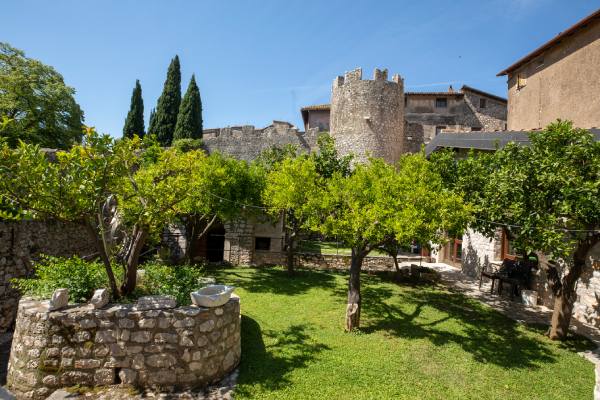
The medieval, hilltop town of Sermoneta, in central Italy, straddles the bright blue Tyrrhenian Sea in the distance to the west and the Lepini mountain chain of the Apennines, rearing dramatically to the east. The twisting cobblestoned streets and imposing castle have changed little over the past centuries, and against this medieval tableau of grey stone crenelated fortress walls, towers, and arches, one bright treasure glows yellow in the warming sun.
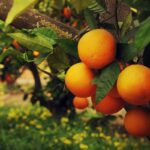
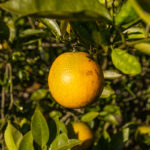
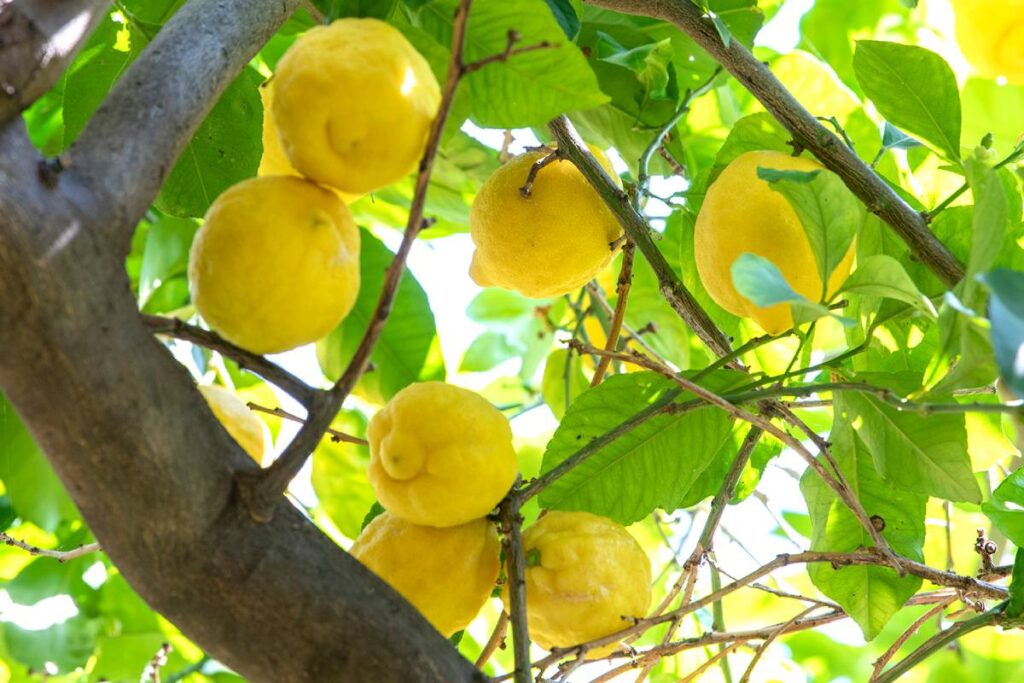
The Citrus limon Cajetanus, known locally as the trombolotto, is a fruit born from crossing the melangolo, an ancient, bitter orange species, and the cedro, or citron. This distinctive citrus fruit is believed to have flourished during an era of long sea voyages, when these larger and longer-lasting citrus varieties, enveloped in an edible peel, could be stocked aboard ship for long journeys during the age of exploration.
The tax revolt that started everything
The walled gardens producing citrus fruits around modern-day Sermoneta trace their origins back to the medieval and early Renaissance era, during the time of Lucrezia Borgia, an occasional resident in Sermoneta’s castle and daughter of the infamous Pope Alexander VI.
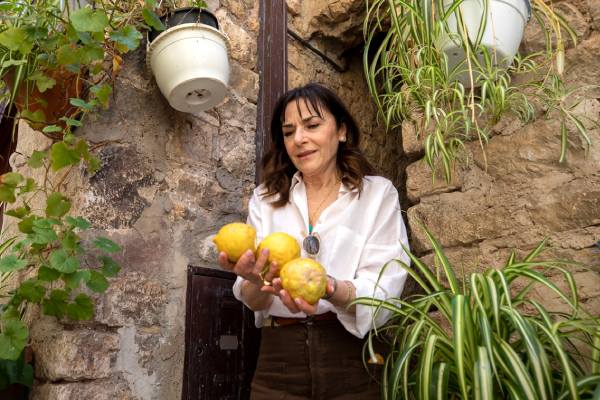
“Here in Sermoneta, we benefited from a unique type of urbanization introduced by the Borgia family. In the period between 1499 and 1503, the local residents were provided with the chance to expand their residences," said trombolotto producer and local restaurant owner, Angela Concu.
©FAO/PierPaolo Cito
The initiative was welcomed, she explained, and many residents built annexes, with solid walls and thatched roofs. At that point, the Borgia demanded additional taxes for those home expansions, but the residents revolted, tearing down the structures while leaving the walls in place.
"To evade the taxes, they created gardens, cultivating local plants that flourished well, like lemon and trombolotto trees,” she added.
Trombolotto lemons in modern-day Sermoneta
Those picturesque walled gardens created by a tax revolt centuries earlier still dot Sermoneta’s town center to this day, their colorful lemons and trombolotto spilling over the high stone walls.
In recent years, Sermoneta has actively positioned this beloved fruit at the heart of its culture and identity. Angela was part of the movement to rediscover old-town recipes, including trombolotto, crushed alongside local olives into oil, mixed with 14 different local spices, and left to infuse for up to 45 days before being bottled.
Local restaurants and chefs have been helping to amplify the story of this local specialty.
©FAO/PierPaolo Cito
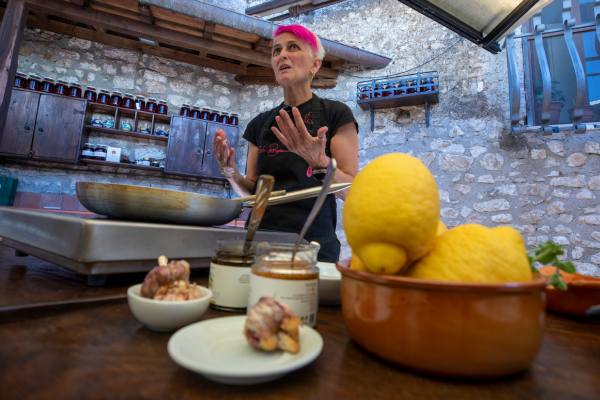
One such collaboration is underway between Angela and chef, restaurateur, and Champion for the Food and Agriculture Organization of the United Nations (FAO), Cristina Bowerman. Angela is one of about 15 farmers in the Adopt-A-Farmer program that Cristina devised to strengthen ties between chefs and farmers.
“The Adopt-a-Farmer project came to me during COVID because I thought that we really needed to connect with the environment, the terroirs, while establishing an activity to support farmers that was easy and free,” explained Cristina. “By guaranteeing the regular purchase of products, farmers can expect a steady income stream and can plan. As chefs, it also allows us to focus on products that are not common.”
Cristina began identifying farmers and bringing them into her program, selecting specific products and ensuring an agreed purchase of that product throughout the year. She ensures the product is incorporated into her seasonal menus and that restaurant servers are prepared to answer client questions about the agricultural products.
When a town's history becomes a gourmet menu
For Cristina, Sermoneta’s trombolotto grown and harvested by Angela became part of her menu.
“It’s very important for chefs to establish direct relationships with the farmers, and when I find a new product, I get interested. I remember very distinctly the first time I tasted Angela and [her husband] Fabio’s trombolotto, and I was fascinated. I told them, ‘I want that’. Since then, I’ve been incorporating the trombolotto into my menus throughout the year.”
©FAO/PierPaolo Cito
“Having been ‘adopted’ into Cristina’s project has been a tremendous experience for us," Angela said. "It allows our trombolotto to reach a much larger audience than we could do on our own, including internationally. We’ve also had the chance to collaborate with Cristina on events and to bring attention to Sermoneta’s specialties.”
“We’re so pleased that our trombolotto is beginning to be known internationally," says Giuseppina Giovannoli, Mayor of Sermoneta. "This makes us proud that Sermoneta is being recognized as a town known for its high-quality agricultural products that are part of our local culinary traditions.”
Particularly during this International Year of the Woman Farmer, this special tie between women farmers and women chefs is even more important. Women have a crucial role in agrifood systems, along the entire agricultural value chain, and in preserving local traditions.
In Sermoneta, this is precisely Angela’s role: keeping an ancient fruit alive and reviving centuries-old recipes for these unique citrus fruits.
*All images by ©FAO/PierPaolo Cito.
Related stories
Five ways a FAO treaty is helping biodiversity thrive in fields around the world
A date in the desert: How agricultural tradition becomes economic growth in Tunisia