New study finds natural resistance to red spider mite in two Genesis Fresh mandarin varieties
 Add Fresh Fruit Portal to Google
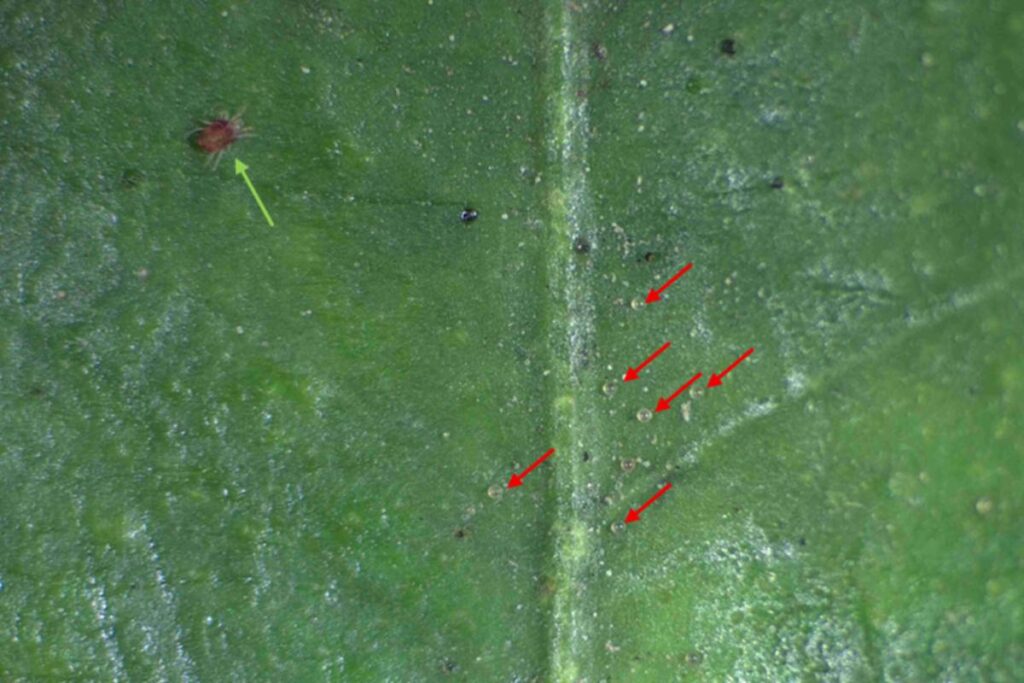
Independent scientific trials found that fruit developer and distributor Genesis Fresh's Havva and Sigal mandarin varieties show resistance to the red spider mite (Tetranychus urticae), one of the most significant pests affecting citrus production worldwide.
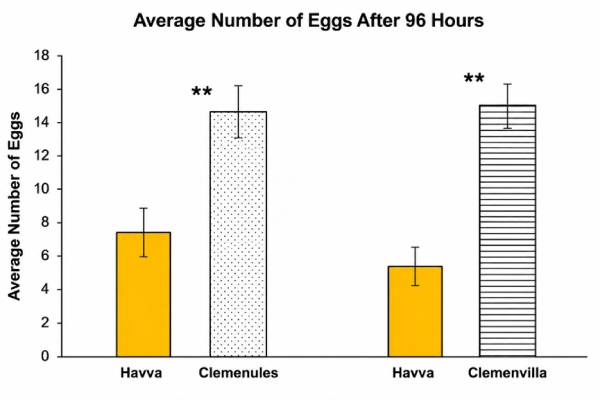
In a press release, the company explained that choice-test trials conducted in Spain revealed that after both 24 hours and four days (96 hours), the control varieties consistently showed higher numbers of female mites and eggs than Havva plants. The results have statistically significant differences across the evaluated parameters.
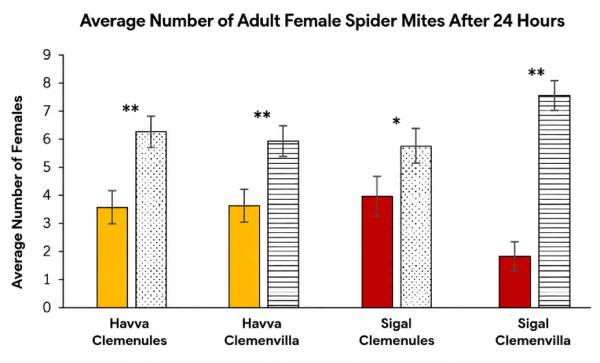
Sigal also showed lower pest preference than control varieties, although with slightly lower resistance than that observed in Havva.
These findings further strengthen Genesis Fresh’s long-term strategy to develop differentiated citrus varieties with superior field performance, greater agronomic resilience, and enhanced commercial value for global citrus markets.
Havva and Sigal feature lower cultivation costs
Beyond their agronomic performance, the varieties' pest resistance translates directly into improved grower profitability, said Amfresh.
In traditional cultivars such as Clemenules, red spider mite management can require more than six phytosanitary treatments per season. In Havva, this requirement may be reduced to a single treatment or, under favorable conditions, eliminated entirely.
Based on current mandarin production costs in Spain and the cost of phytosanitary treatments targeting Tetranychus urticae, eliminating these applications could yield savings of 10 percent to 15 percent of total cultivation costs.
Additionally, reducing treatment applications lowers dependency on crop protection products, decreases environmental impact, and minimizes the risk of resistance development, all of which are critical within the evolving European regulatory landscape.
A step forward for sustainable citrus production
These findings come at a critical time for the citrus industry, as increasing pest pressure and tighter regulatory restrictions accelerate the need for more sustainable production solutions.
The spider mite resistance offered by these varieties is a significant advantage, reducing production costs, improving field efficiency, optimizing packhouse performance, and minimizing treatment dependency.
This advantage is further strengthened by the genetic resistance of both varieties to Alternaria alternata pv. citri. Commonly known as Alternaria Brown Spot, this is one of the most limiting diseases affecting European citrus production today.
Beyond their field performance, Havva and Sigal also stand out for their strong commercial qualities, including the near absence of seeds even under cross-pollination conditions, excellent peelability, attractive rind color, and resistance to disorders such as pixat, clareta, and puffing.
These attributes, combined with their distinctive flavor profiles, have contributed to acceptance among leading European retailers, who value the varieties’ differentiation and their ability to consistently deliver a unique eating experience.
*All images and graphs courtesy of Genesis Fresh.
Related stories
The biological revolution: Global biopesticide market set to reach $12.65 billion by 2031