Five ways a FAO treaty is helping biodiversity thrive in fields around the world
 Add Fresh Fruit Portal to Google
This story was originally published by the Food and Agriculture Organization of the United Nations.
Seeds and crop biodiversity sustain our food and agricultural systems, and around the world, efforts are underway to conserve and share them.
At the heart of this is the International Treaty on Plant Genetic Resources for Food and Agriculture, a global agreement that brings countries together to share the building blocks of our food, including seeds, crop varieties, and the information associated with them. Its goal is simple: to increase biodiversity by making it easier for countries to access these resources and to ensure that any benefits are shared fairly.
©FAO/Alberto Conti
Today, 155 countries are part of the International Treaty, covering 64 major crops that make up about 80 percent of the world’s plant-based food. A key element of the initiative is the Multilateral System of Access and Benefit-sharing, which facilitates the sharing of plant genetic materials for a set of major food crops. When a country joins, it agrees to share plant materials from its public collections so others can use them as well, thereby facilitating biodiversity.
Over the past 20 years, this has grown into the world’s biggest system for exchanging plant genetic resources. Underpinned by strong partnerships, including with CGIAR centers and other institutions, more than seven million plant genetic samples have been shared through the Multilateral System to date, helping scientists, plant breeders and farmers develop better crops and adapt to changing conditions.
Sharing knowledge to strengthen biodiversity today
The International Treaty helps keep crop biodiversity alive, not just stored in gene banks but actively used to make food systems stronger and more resilient in multiple ways:
1. Rediscovering local crops in Malawi
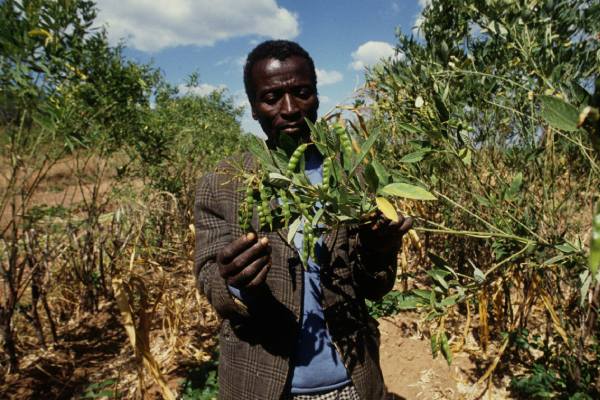
In Malawi’s Mchinji District, smallholder tobacco farmer Edwin Kalengama faced falling yields due to erratic rainfall and declining soil fertility. Rather than abandon farming, he adapted.
With support from a community seed bank linked to the Treaty’s Benefit-sharing Fund (BSF), Edwin shifted to more resilient local crops, such as pigeon peas and groundnuts. His farmer group collaborates with researchers from the International Crops Research Institute for the Semi-Arid Tropics to test and select varieties suited to local conditions.
With this added level of biodiversity, yields improved, food security increased, and families generated surplus income.
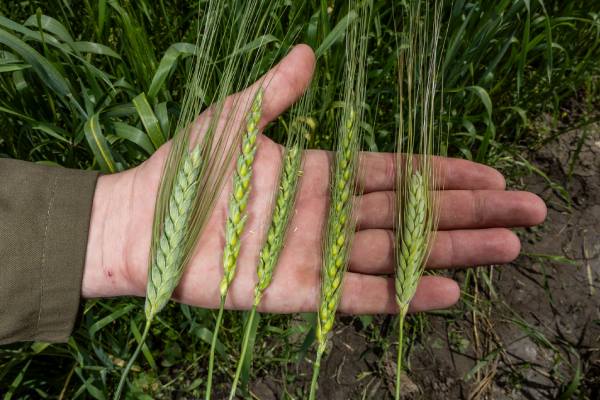
2. Growing and baking heritage wheat in Georgia
Georgia is home to extraordinary wheat diversity, with five of the 14 wheat species being cultivated there originating within its borders. Yet the cultivation of many traditional varieties has declined due to decades of agricultural intensification.
Farmers like Natia Matcharashvili and Shota Lagazidze are helping reverse this trend by cultivating traditional wheat varieties used in their local bakery, keeping culinary and agricultural heritage alive.
©FAO/Thomas Nicolon
With support from the BSF, Tamar Jinjikhadze, from the Scientific Research Center of Agriculture of Georgia, has led efforts to locate, collect, and identify endangered varieties. During field missions to farms like Natia’s, her team discovered unique biodiversity comprising local wheat varieties.
These varieties are often well adapted to local conditions, offering resilience to diseases and climate stress. To safeguard them for the future, more than 2,000 samples have been duplicated and stored in the Svalbard Global Seed Vault.
3. Opening up access to olives in North Africa and the Mediterranean
Recent agreements between the International Treaty and the International Olive Council have brought international olive collections conserved in Morocco and Spain into the Treaty’s Multilateral System.
Cultivated for more than 8,000 years, olives are synonymous with the Mediterranean. They provide not only food, but also medicine, cosmetics, industrial materials and environmental services, making them central to economies and diets across the region.
In Morocco alone, olive production averages 1.4 million tonnes annually and plays a key role in employment and exports.
By including olive trees in the treaty’s mechanism, global access to the region's rich biodiversity and critical genetic resources for breeding and conservation is greatly expanded.
4. Protecting biodiversity at its source in Central Asia
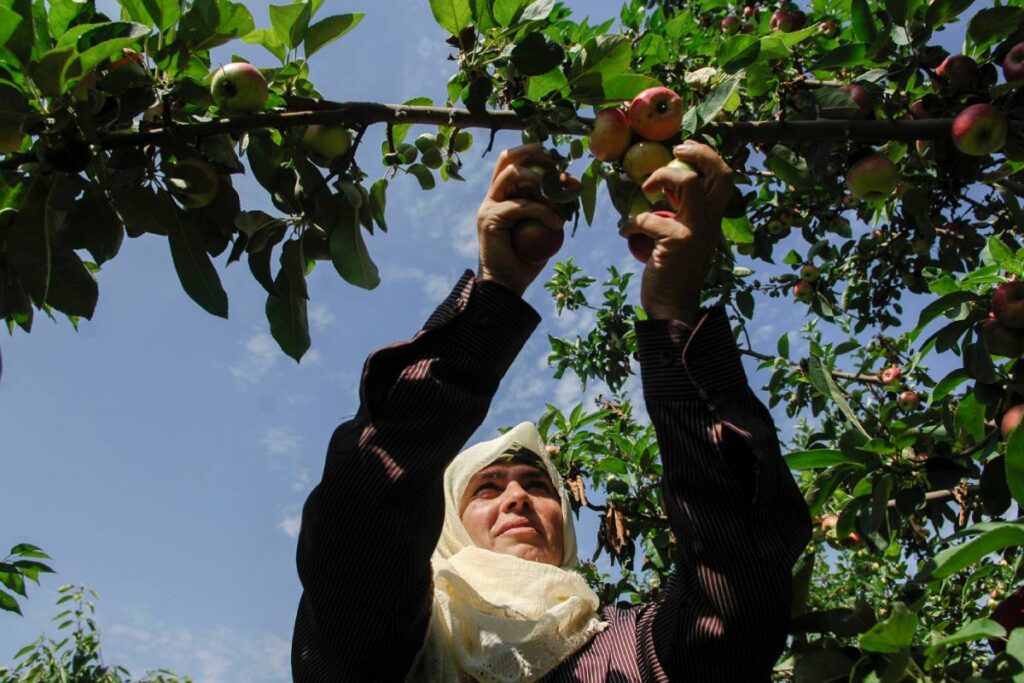
Central Asia is one of the world’s centers of origin for many cultivated fruit trees, such as apricot, cherry, and apple; nuts such as pistachio, almond, and walnut; and various vegetables. The region is also a major producer and exporter of critical food crops such as wheat, barley, rice, corn and potato.
Yet some of these crops, which are critical for global food security, come from other regions and face increasing threats from genetic erosion and loss.
Kyrgyzstan is the first country in the subregion to join and implement the treaty, strengthening national capacities to conserve and use plant genetic resources, while opening opportunities for collaboration and exchange worldwide.
5. Reviving crops and knowledge in Bolivia
© FAO/Russell Wai
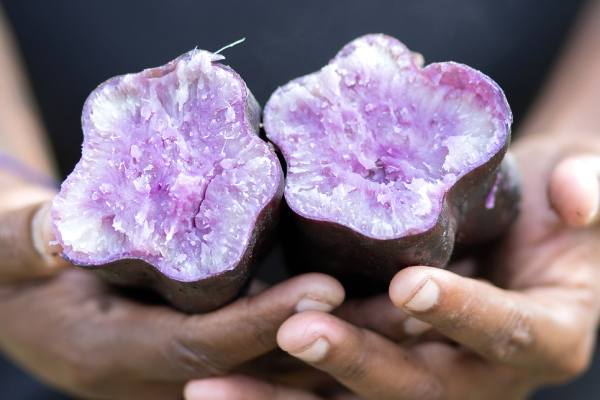
In Bolivia’s highland communities, changing rainfall patterns are reshaping traditional maize farming. Rather than give up their crops, farmers have joined forces with scientists from the Royal and Pontifical University of Saint Francis Xavier of Chuquisaca to revive and protect their local biodiversity and agricultural heritage.
They have regenerated and conserved diverse maize and bean varieties in national gene banks. Over 500 seed samples have been secured under the Biodiversity for Opportunities, Livelihoods and Development project led by the International Treaty and the Crop Trust.
The information associated with each variety is also recorded in the International Treaty’s Global Information System, creating a “digital passport.” Combining local action with modern documentation safeguards both seeds and the knowledge associated with them.
From Malawi’s seed banks to Bolivia’s maize diversity, the Treaty is making crop diversity accessible and linking conservation to real-world use, strengthening food security at every level.
As climate pressures grow and global food systems face increasing strain, this shared pool of plant genetic resources - and the partnerships behind it - is essential to building a resilient and sustainable future.
*Main image credit: ©FAO/Nozim Kalandarov | All images courtesy of FAO.
Related stories
No soil, no problem: How hydroponics pose a growing alternative in the face of climate change
Extreme heat is already changing agriculture. This is how farmers stay ahead of it.