




Honey bees can detect virus-contaminated food, study finds
 Add Fresh Fruit Portal to Google
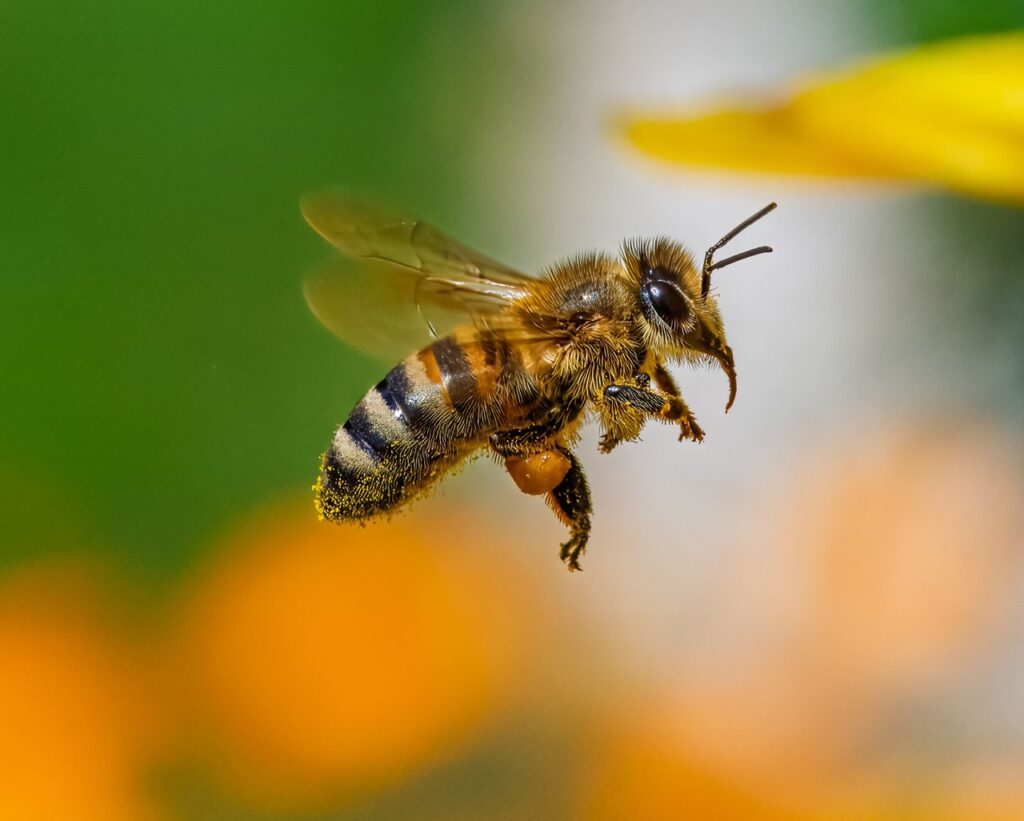
Honey bees are essential for agriculture, with pollination being a key aspect of fruit and vegetable production. Additionally, these insects are known to be outstanding scouts, expertly navigating their surroundings to secure resources for their colonies.
However, a new study from the USDA’s Agricultural Research Service (ARS) revealed a puzzling gap in their decision-making: while these tiny pollinators can sniff out viral contamination in their food, they are actively choosing to consume it anyway.
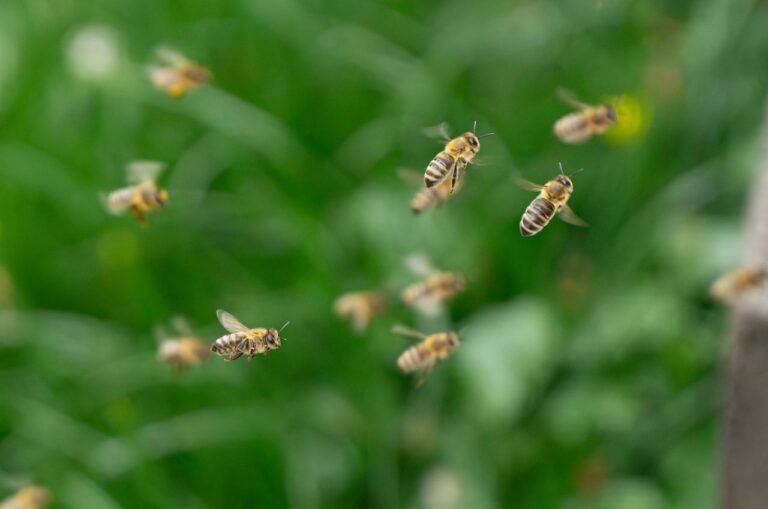
Researchers from the ARS Honey Bee Breeding, Genetics, and Physiology Research Unit in Baton Rouge, Louisiana, put the honey bees’ virus-detecting skills to the test using the pathogens responsible for deformed wing, black queen cell, and chronic bee paralysis . The study found that when bees could choose between a plain sugar solution and a contaminated sugar solution, they preferred the latter.
“These findings demonstrate that honey bees can directly detect the presence of viruses in contaminated food sources, which has important implications for pathogen transmission within pollinator communities and disease management strategies aimed at improving honey bee health,” said ARS Research Molecular Biologist Michael Simone-Finstrom.
Feeding practices under the microscope
The researchers identified the parasitic Varroa mite as one of the primary drivers of virus transmission in honey bee colonies. They spread multiple viruses, including deformed wing virus, while feeding on honey bee pupae and adult bees, so controlling their populations remains one of the most effective strategies for protecting colonies.
To address this, the study suggests that beekeepers could reduce opportunities for virus transmission by adjusting feeding practices.
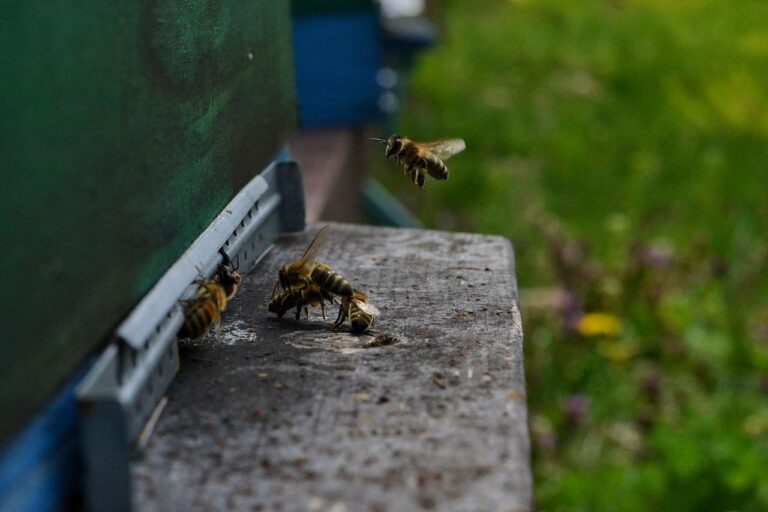
“Open feeding scenarios where bees from different colonies and other insects, who may carry viruses, get food from the same source may not be in the honey bees’ best interest,” said Walsh. “Beekeepers can consider an alternative like an individual colony feeder where only honey bees from one colony have access to the food.”
The investigators said they do not yet know why honey bees preferred virus-contaminated food. They are conducting additional research to understand better the mechanisms behind this behavior and how viral exposure influences honey bee foraging.
“The study’s findings will help provide data-driven decisions in honey bee management and ecological decisions,” said Walsh.
Honey bees play a critical role in agriculture through pollination, contributing to the production of more than 100 crops in the US alone.
*Photos are referential.
Related articles
Native chimney bees could hold the key to more effective blueberry pollination











