Agriculture 4.0: How innovation is helping grow the next iteration of the global food supply chain
 Add Fresh Fruit Portal to Google
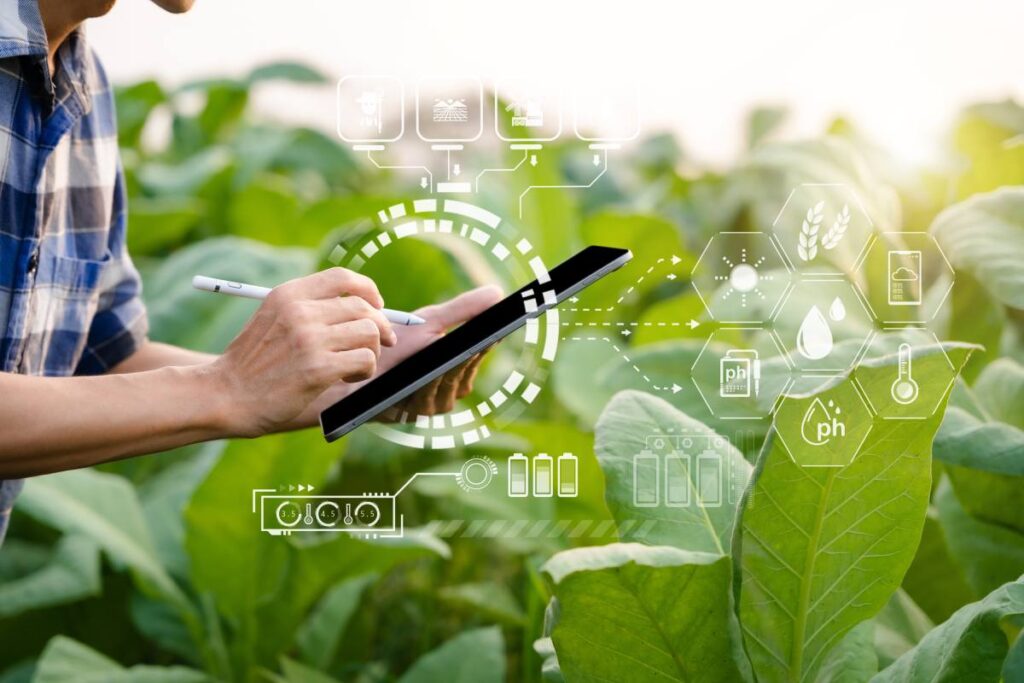
The agriculture and food market is in the midst of a technological renaissance: sensors, robotics, AI, and data platforms are transforming how food is grown, processed, and delivered.
In its latest report, market research firm Market Intelo says that as demand for higher yields, lower environmental impact, and resilient supply chains intensifies, AgriTech innovations are moving from pilot projects to mainstream adoption.
According to the company data, the global smart farming and agriculture 4.0 technology market was valued at $18.20 billion in 2025 and is projected to reach $51.8 billion by 2034, expanding at a robust compound annual growth rate (CAGR) of 12.2 percent during the forecast period 2026-2034.
Central to this shift is the rise of integrated systems that combine hardware, software, and business models, often called Agriculture 4.0: solutions that integrate automation, analytics, and connectivity to create smarter, more efficient farms.

Agriculture 4.0, a smart way of growing
In the face of shrinking margins, rising production costs, labor scarcity, and climate volatility, Market Intelo says this new approach to technology can help increase productivity, reduce input waste (water, fertilizer), and enable data-driven decisions that improve resilience.
However, Agriculture 4.0 is not just one gadget or platform, but an intricate network of software and devices permeating the operation from orchard to shelf.
The list of elements is long, and it includes pieces like precision sensors and weather stations in the field; autonomous tractors, harvesters, and robotic weeders; predictive machine learning models to forecast pest outbreaks and optimize planting windows; drone and satellite imagery; and farm management platforms integrating data from devices, labor logs, and market feeds to support planning, compliance, and traceability.
However, benefits alone are not driving producers’ decisions, as considerable adoption hurdles remain. High capital costs and connectivity gaps limit uptake in smaller operations, which usually need access to additional financing or shared models to cover the investment.
There’s also the skills gap to consider, as teams and operators might need training to operate these systems. Likewise, some of these platforms don’t necessarily play nice together, so creating an actually operational network requires deep know-how and careful consideration, as well as ongoing support from system manufacturers.
Multiple operations across markets are moving towards an Agriculture 4.0 production approach, but Market Intelo says the shift has not been homogeneous across markets. Local challenges, such as climate pressures, high investment costs, and other adoption barriers, have led growers to apply the tech update to certain parts of the supply chain over others.
Market differentiation in the ag-tech era
The agriculture 4.0 market has expanded over the past decade, with stakeholders across the supply chain adopting these technologies to varying degrees. The entry point in many cases has been in-orchard sensors, which have become almost ubiquitous in commercial plantations across the world.
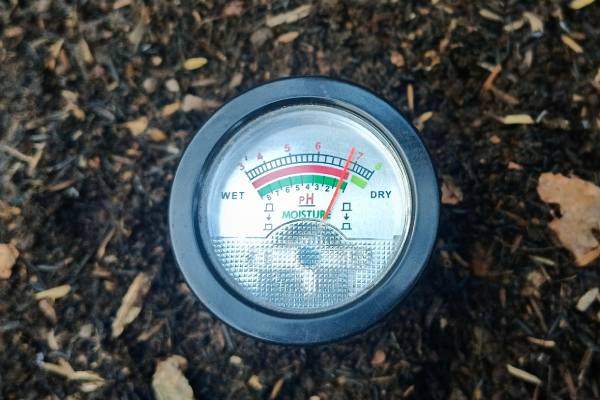
However, in regions like Asia, where climate pressures such as drought and monsoon season cast a permanent shadow over growers, these devices have become essential. Moisture sensors, drip automation, and weather-driven controllers notably improve water efficiency and climate resilience, with a direct and positive impact on yields.
Market Intelo emphasized that in Asia, mobile apps and the low prices of Internet-of-Things (IoT) kits have granted wider access to satellite-based advisory services. This has enabled many small operations to adopt precision practices at scale, boosting per-hectare productivity without huge capital outlays.
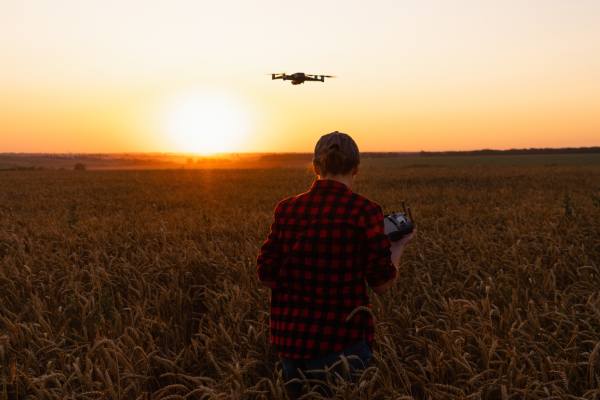
Meanwhile, in the US and Latin America, in-orchard sensors, along with high-resolution satellite/drone imagery and prescription maps, have largely improved in scale and precision. Large farms are achieving high returns on investment (ROI) from variable-rate nutrient and pesticide application. This agriculture 4.0 approach has become increasingly important as production costs rise.
Sensors have also improved response times and risk management. Real-time monitoring and predictive analytics provide rapid alerts about pests, diseases, and adverse or abnormal weather events, enabling targeted interventions that protect yields and reduce pesticide use.
For large operations, advanced automation and robotics offer a helpful alternative to the labor shortage crisis in the US. Autonomous tractors, robotic harvesters, and machine-vision sorting systems reduce labor dependence and improve harvest timing and packout rates.
Market Intelo also notes that in Latin America, specialty crops are benefiting from Agriculture 4.0 approaches, as growers adopt them to boost quality and achieve profitable market differentiation. For example, vineyards, fruit orchards, and coffee producers use precision microclimate monitoring and targeted interventions to raise quality and achieve premium pricing abroad.
These platforms also improve logistics and post-harvest handling, a key part of the region's supply chain as it looks to unlock markets beyond its borders. Cold-chain monitoring, predictive routing, and inventory management reduce spoilage for perishables, enabling exporters to reach more markets and comply with ever-tightening phytosanitary regulations in markets such as Asia and Europe.
*All images are referential.
Related stories
Ag-tech innovator BioPollen expands liquid pollination system across the Americas
Digital tools till new ground as precision ag software gains momentum
Agricultural robot market to more than triple in size by 2030, research says