Copefrut and Sinclair strengthen their commitment to sustainable fruit packaging
 Add Fresh Fruit Portal to Google
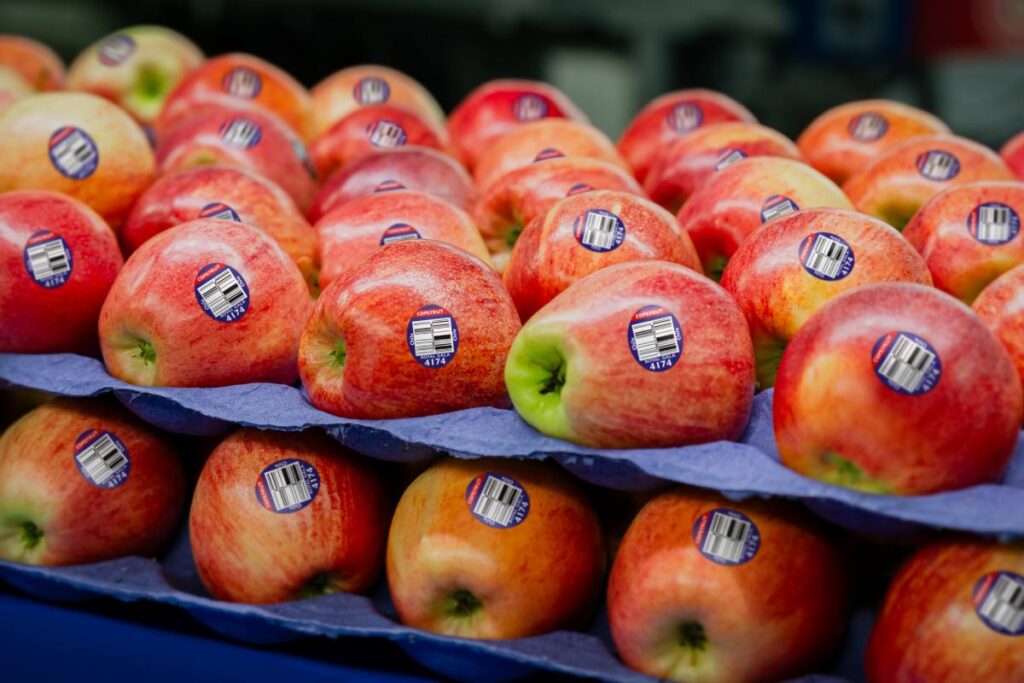
Copefrut, one of Chile’s leading fresh fruit producers and exporters, has partnered with Sinclair, a global leader in fresh produce labeling solutions, to adopt Sinclair-T55, the world’s first fruit label certified for both home and industrial composting as a finished product.
The collaboration reflects a shared commitment to reducing single-use packaging waste while maintaining the operational performance required by modern fresh produce supply chains.
“At Copefrut, sustainability is not an option; it is a responsibility embedded across our orchards, packing operations, and supply chain. Sustainability means delivering proven, certified solutions that eliminate unnecessary packaging without compromising performance,” said Felipe Casanova, General Manager at Copefrut International. "This partnership brings alignment with our agricultural responsibility with packaging innovation delivering fruit that is sustainable from production to point of sale."
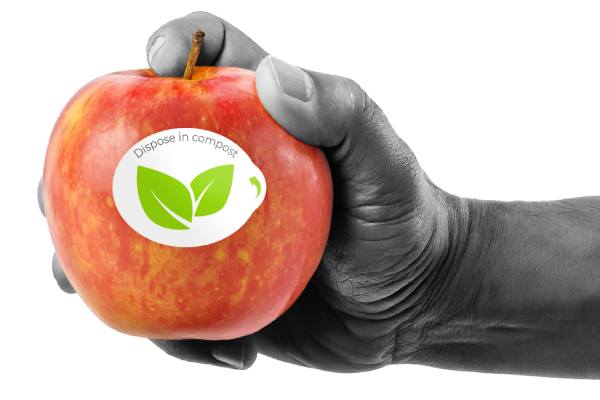
Copefrut and Sinclair: Flavor meets sustainability and convenience
The move supports Copefrut’s broader sustainability strategy, which focuses on energy efficiency, water recovery, responsible resource management, and the transition toward reducing waste across its orchards and packing operations.
The rollout commences from Q3 2026 across the apple, plum and kiwifruit categories, with more than 50 percent of production to have home compostable labels by the year-end, and 100percent of production during 2027. The partnership reflects both companies’ long-term sustainability commitments and global efforts to reduce reliance on single-use packaging.
“A compostable fruit label reduces the waste footprint of necessary packaging and provides consumers with a convenient way to ensure waste management is quick and easy. Crucially at the end of life, the Sinclair T55 removes the burden of plastic waste recycling and simplifies disposal, which aligns with organic household waste becoming part of the circular economy, eliminating plastic waste, which goes in line with Copefrut’s strategic pillar of sustainability and keeps gaining importance throughout the whole value chain,” commented Andrés Nawrath, Commercial Manager at Copefrut.
Supporting industry and consumer transition
For consumers, Sinclair-T55 offers a simple disposal method: labels can be composted alongside fruit peelings in home compost systems, reducing contamination in organic waste streams. For retailers and brand owners, the solution supports compliance with evolving packaging and waste regulations while maintaining point‑of‑sale functionality, branding and packaging reduction.
Together with partners like Copefrut, Sinclair is demonstrating that sustainability in fresh produce is most effective when it is integrated, measurable, and scalable from orchard practices through to packaging design and end-of-life performance.
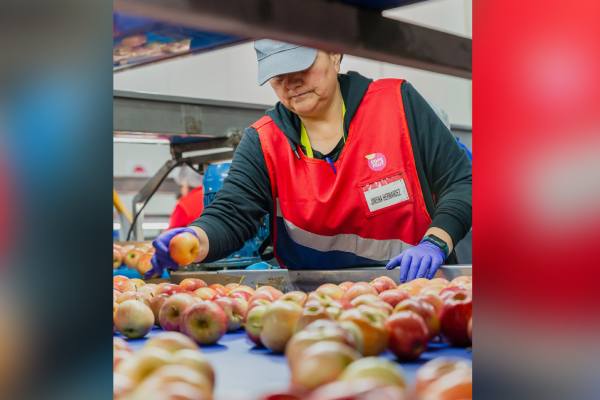
“At Sinclair, we believe sustainability must be proven, not promised. With T55, we’ve focused on delivering certified, finished product compostability without compromising the performance the fresh produce industry depends on. Partnering with growers like Copefrut who embed sustainability across their operations shows what’s possible when agricultural responsibility and packaging innovation come together to reduce plastic waste in a meaningful, measurable way,” said Duncan Jones, Senior Marketing Manager, Sinclair.
Product stewardship: Going beyond component certification
Sinclair-T55 is certified to leading global composting standards, including EN 13432 for industrial composting and AS 5810 and NFT 51‑800 for home composting.
Certified as a finished product, not just a component, the label is designed to safely break down and biodegrade into usable compost within a defined timeframe, without leaving harmful residues from any component in the environment.
Crucially, the label has been engineered for real-world application, delivering application performance equivalent to conventional plastic labels in high-speed, high-humidity packing environments, ensuring sustainability does not come at the expense of efficiency or food safety.
*All images courtesy of Copefrut and Sinclair.
Related stories
Andrés Fuenzalida steps down as Copefrut's General Manager after 11 years of leadership
Sinclair simplifies compostable produce stickers as global momentum rises