


Weather prompts uneven US melon season
 Add Fresh Fruit Portal to Google
This year’s domestic melon season was off to a complex start: shipments were down nationally, but the story varied significantly by growing region, according to the United States Department of Agriculture (USDA).
Weather patterns disrupted natural growing cycles, delaying harvests in some areas while accelerating them in others. However, pest pressure proved the biggest foe.
“Silverleaf whitefly populations did not experience the typical winter die-off due to a lack of cold winter temperatures, and these pests harm the plant’s ability to photosynthesize,” the USDA’s Fruit and Tree Nuts Outlook: July 2026 report explains. This trimmed watermelon, cantaloupe, and honeydew supplies across several major production regions
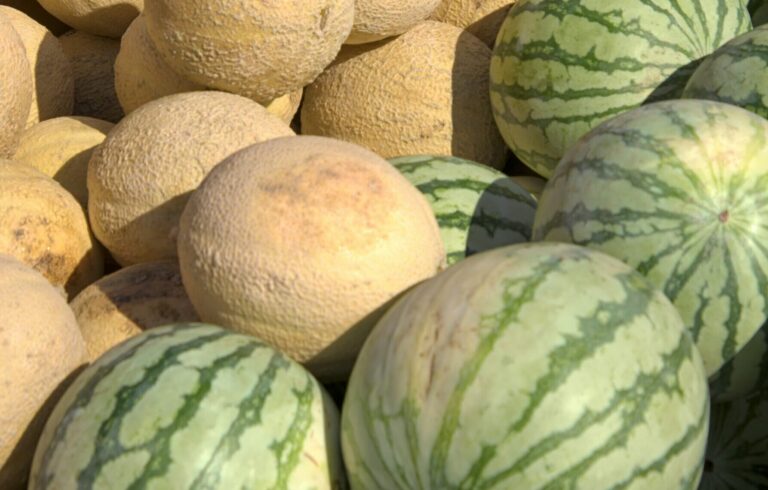
Lower import supplies added to the squeeze. During the first five months of 2026, watermelon arrivals fell five percent from the same period in 2025, with major global producers also facing challenging weather.
“Shipments from Guatemala and Honduras were down 12 percent and 25 percent, respectively. Downy mildew, which thrives in cool and wet conditions, negatively impacted melons from Central America due to unseasonably cool and humid weather during the growing season,” the report states.
Domestic melon season gets off to a bumpy start
Through the third week of July, watermelon shipments were about four percent below the same point last season, the assessment notes. Cantaloupe and honeydew shipments also trailed 2025 levels.
But, again, the picture varies significantly by region. Florida normally starts the domestic season, followed by Arizona, Texas and southern California’s Imperial Valley in May. Georgia and central California join in June.
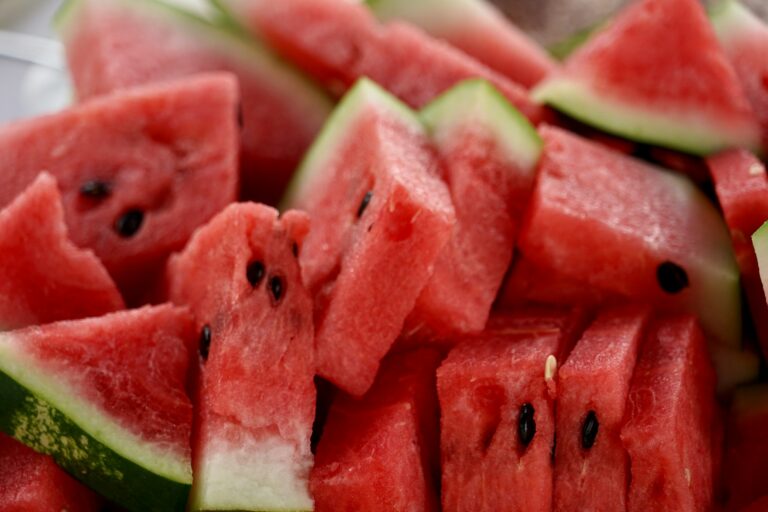
However, Florida experienced a delayed start in 2026 after early-March freezing temperatures damaged watermelon plants. Some growers had to partially or completely replant fields, the report states.
“Weekly watermelon shipments from Florida were lower year-on-year through mid-May before exceeding last season’s volume week-on-week through early July,” the USDA said.
The Sunshine State’s watermelon season recovered by mid-season and stood six percent above last year by the third week of July. Conversely, shipments from the Arizona-California desert region fell below last season as the summer progressed.
Unseasonably warm winter and spring temperatures brought the season forward, initially boosting shipments. By mid-June, however, weekly volumes had fallen below last season and remained lower as summer progressed.
The Lone Star State also reported sharply lower watermelon volume, with growers in the Rio Grande Valley facing heavy rainfall and increased weed, insect, and disease pressure. Shipments began in May and will continue into the fall, but season-to-date volume was sharply lower than last year through week 29.
However, the state's Watermelon Association (TWA) noted that lower production in some areas was offset by regions enjoying more favorable conditions.
*All photos are referential via Unsplash.
Related stories