








South African blueberries show resilience amid localized weather disruptions
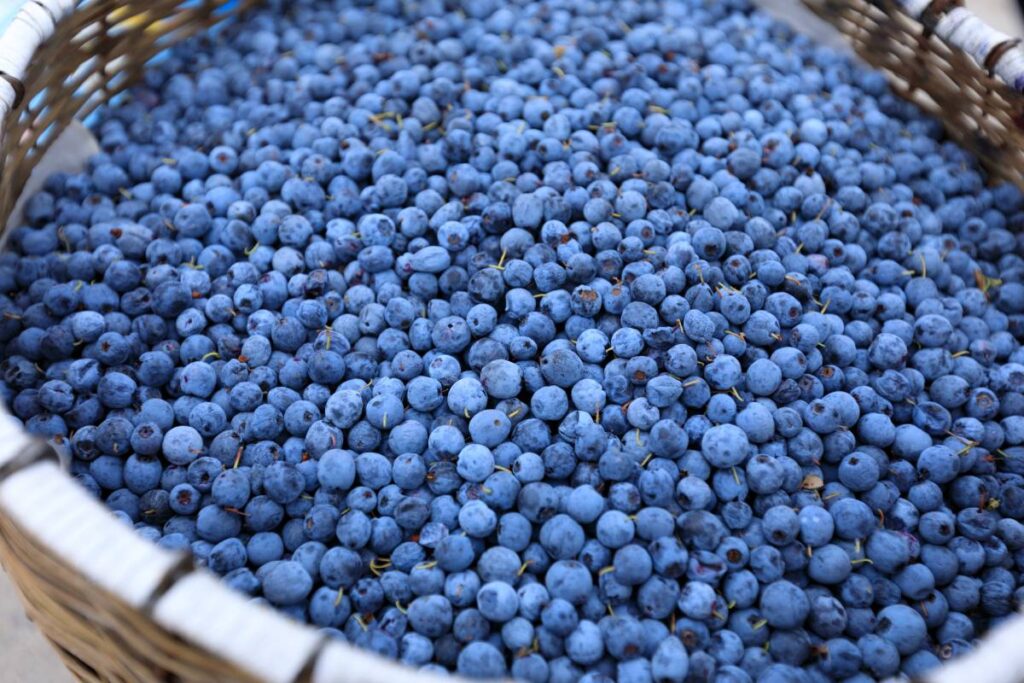



Following unprecedented winter flooding in the Western Cape in mid-May, the South African blueberry industry faces a complex landscape defined by severe localized infrastructure damage, climate variability, and rising operational costs.


“We recorded on some farms between 300 and 400 millimeters of rain over a two- or three-day period… It was a lot of rain”, said Dylan Coleman, National General Manager at Winterwood Holdings South Africa.

Despite the dramatic rainfall, Coleman emphasized that the physical impact on crops was highly localized rather than industry-wide. While select blueberry growers located directly at the foot of mountain catchments suffered severe block losses (with some losing over 70 percent of their volume), other farms experienced minimal or zero crop damage.
As a result, despite the extreme weather events, national export projections remain remarkably steady.
Blueberry export forecasts and market stability
Addressing concerns regarding overall market supply, Coleman clarified that the macro outlook for South African blueberries remains robust. The Western Cape currently accounts for approximately 50 percent of planted area and around 60 percent of total fruit production, while northern regions are expanding rapidly.
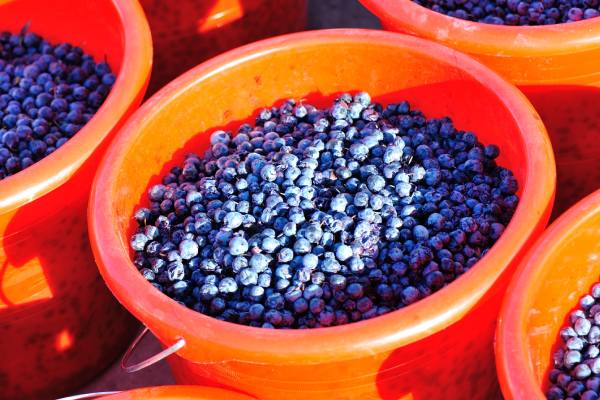
For the current campaign, South Africa expects to export approximately 25,000 metric tons of blueberries, matching last year’s performance. While individual blueberry growers faced catastrophic losses, industry-wide production levels are sustained by growth in northern regions and non-affected farms.
“At an industry level, we do not believe that the flooding will have a material impact on our volume. But there are certain growers that will lose 70 percent of their volume or more, ” comments Coleman, and also adds that “mathematically, there has to be an impact, but we do not believe the impact will be material.”
Logistical challenges and rising costs
While direct blueberry losses remain contained on a macro level, the infrastructure damage presents severe operational hurdles.
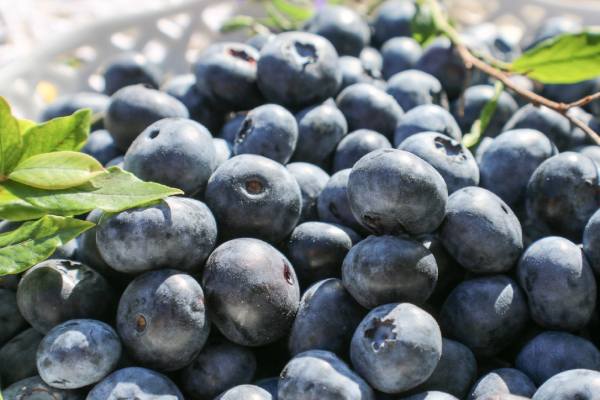
Damaged road networks, mountain passes, and electrical grids mean farm labor and harvested fruit must take extended detour routes, adding 50 to 60 kilometers daily in some areas. Combined with a nearly 40 percent surge in local fuel costs driven by global oil dynamics, farm logistics have become exceptionally costly.
“The logistical challenges… it impacts where your staff comes from and impacts how you get your fruit to the ports and cold rooms. Additional costs on transport and logistics are starting to become material now,” Coleman said.
Climate shift: From floods to historical drought
Perhaps the expert's most stark observation is the volatile nature of recent climate patterns. Just two months after the historic May floods, Cape Town International Airport recorded its lowest July rainfall since 1958.
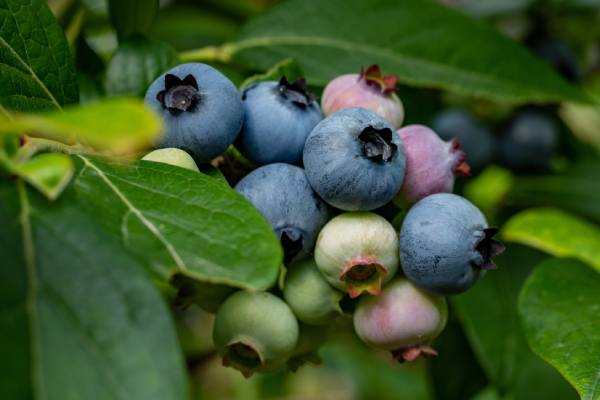
“In May we had floods, and in July we had the lowest recorded rainfall since 1958… The weather is no longer as consistent as it used to be. The extremes are definitely becoming more extreme,” he said.
Looking forward, Coleman noted that long-term farming sustainability will depend on adaptability, water storage investment, and potentially migrating future plantings toward lower-risk geographical areas as climate swings become more frequent across Southern Hemisphere producing regions.
This story was originally published on the International Blueberry Organization's website on August 13, 2026.
*All images are referential via Shutterstock.
Related stories
CGA assesses crop damage after dangerous floods hit citrus-producing regions in South Africa
South African growers sound the alarm about electrical outages in the Western Cape









Subscribe to our newsletter