Late spring rains, frosts, and extreme heat are threatening the Chilean fruit season
 Add Fresh Fruit Portal to Google
Written and reported by Macarena Bravo for PortalFruticola.com
Just as it happened in the Northern Hemisphere during the summer, the Southern Hemisphere might also experience some unseasonal weather that could disrupt the normal and expected patterns of the export season. Chile is no exception, Patricio González, an agro-climatologist and researcher at the University of Talca, told FreshFruitPortal.com.
A high probability of late rains mixed with high temperatures, frosts, and possible hailstorms are among the main risks for crops. The forecast is particularly dangerous as a large part of the orchards in the central part of the country is already in the full budding and flowering stage.
According to the expert, some predictive models estimate rainfall for the central zone, from the Valparaíso Region to the south, which could extend throughout October and even reach the first days of November.
Conditions may change quickly, González said, so the season’s challenge for Chilean growers will be to react appropriately and manage the effects of weather precisely.
High stakes for fruit trees
The problem, Gonzalez explained, lies not only in the rain, but in its combination with high temperatures, which can be lethal. Cherry, table grape, and pome fruit crops would face the greatest damage.
“The combination of humidity and heat can create favorable conditions for fungal diseases,” he said. “In the case of grapes, one of the main risks is botrytis, while in apples and pears, the presence of venturia could increase.”
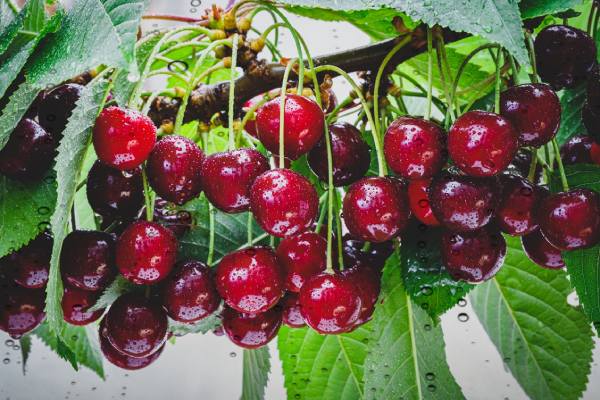
In the case of cherries, one of Chile’s biggest and most lucrative fruit exports, the expert said the crop runs a high risk of cracking resulting from rain followed by high temperatures. Needless to say, this would greatly affect the fruit’s condition and commercial potential, making it unsuitable for demanding international markets.
High humidity and heat also lead to a greater risk of fungal diseases in hazelnuts, resulting in rising production costs for Chilean growers. After-rain fungicide applications can cost between $150 and $250 per hectare, depending on the conditions and the crop.
The risk of late frosts
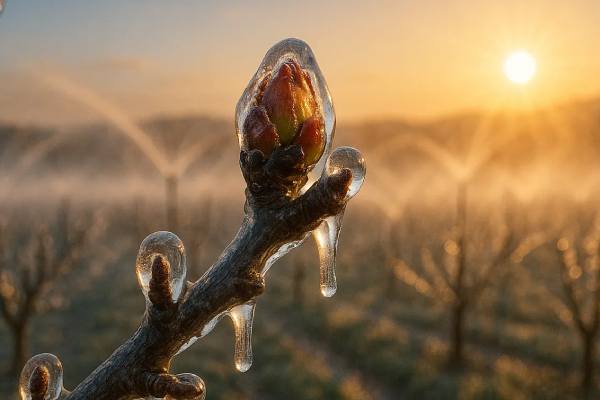
The weather forecasts also include the threat of late frosts in September, which could be particularly detrimental to crops in the central zone of Chile, especially between the Metropolitan, O’Higgins, and Maule regions. Further south, the risk could extend until October, reaching areas of Ñuble, Biobío, and La Araucanía.
Gonzalez warned that temperatures around -1 and 0 degrees Celsius (between 30 and 32 degrees Fahrenheit) for up to 90 minutes can severely damage blooming and budding trees, causing necrosis that reduces or directly prevents fruit growth.
No respite in the Chilean summer
With a complicated spring ahead, the hope is for more average summer conditions, but Gonzalez said that previous El Niño episodes point to a high chance of extreme temperatures ranging from December to February.
The expert recalls that during the summer of 2024, temperatures close to or surpassing 40 degrees Celsius (104 degrees Fahrenheit) were recorded in rural areas in central and southern Chile.
Now, he said some areas could experience similar temperatures, increasing the risk of sunstroke in the fruit, as well as cracks in trunks and branches. The latter can cause wounds that become entry points for pathogens, putting the plants’ health at risk.
The agro-climatologist recommends preventive tree trunk treatments with white-colored products designed to reflect radiation and reduce wood heating.
Recommendations
With temperatures soaring and humidity dropping, plants will be losing water at a higher rate, making irrigation programs critical.
“If the plant does not have enough water, it closes its stomata, reduces photosynthesis, and may end up producing fruit of smaller caliber and quality,” Gonzalez explained.
The expert calls for permanent vigilance of meteorological conditions, especially during mid-September, when the chance of rain in the central zone of Chile could increase, followed by periods of high temperatures.
Weather stations on the farms can be key to anticipating frosts, rains, and favorable conditions for fungal diseases.
*All images are referential via Shutterstock.
Related stories
South African blueberries show resilience amid localized weather disruptions
Tight supplies ahead: Record March heat impacts 2026 pistachio yields